From The Hobby Drone Handbook by Stan Gold · Hobbies
Chapter 2 — Choosing Your First Drone
Published
The Most Important Drone Decision
Buying your first drone is exciting — and a little overwhelming.
A quick online search reveals hundreds of models ranging from tiny toy quadcopters costing less than a dinner out to professional-grade aircraft costing several thousand dollars. Some drones are designed for photography, others for racing, and still others for pure recreational fun.
For beginners, the biggest challenge is not finding a drone. It is finding the right drone. The good news is that modern drones are better, safer, and easier to fly than ever before. Even relatively inexpensive beginner drones now include features that once existed only on professional aircraft. The bad news is that marketing claims, technical jargon, and flashy advertisements can easily confuse new buyers.
This chapter will help you understand:
- Which drone categories exist
- Which features actually matter
- What beginners should avoid
- How much you really need to spend
- Which type of drone best matches your goals
The right first drone can turn a curious beginner into a lifelong enthusiast. The wrong drone can lead to frustration, crashes, and wasted money.
Start with Your Goal
Before comparing specifications, ask yourself a simple question:
“What do I actually want to do with a drone?”
Your answer determines almost everything else.
Most hobby drone buyers fall into one of several categories.
The Casual Flyer
These users want:
- Easy flying
- Simple controls
- Fun outdoor recreation
- Occasional photos and videos
They usually value:
- Stability
- Safety features
- Portability
- Low cost
For casual users, a beginner-friendly camera drone is often the best choice.
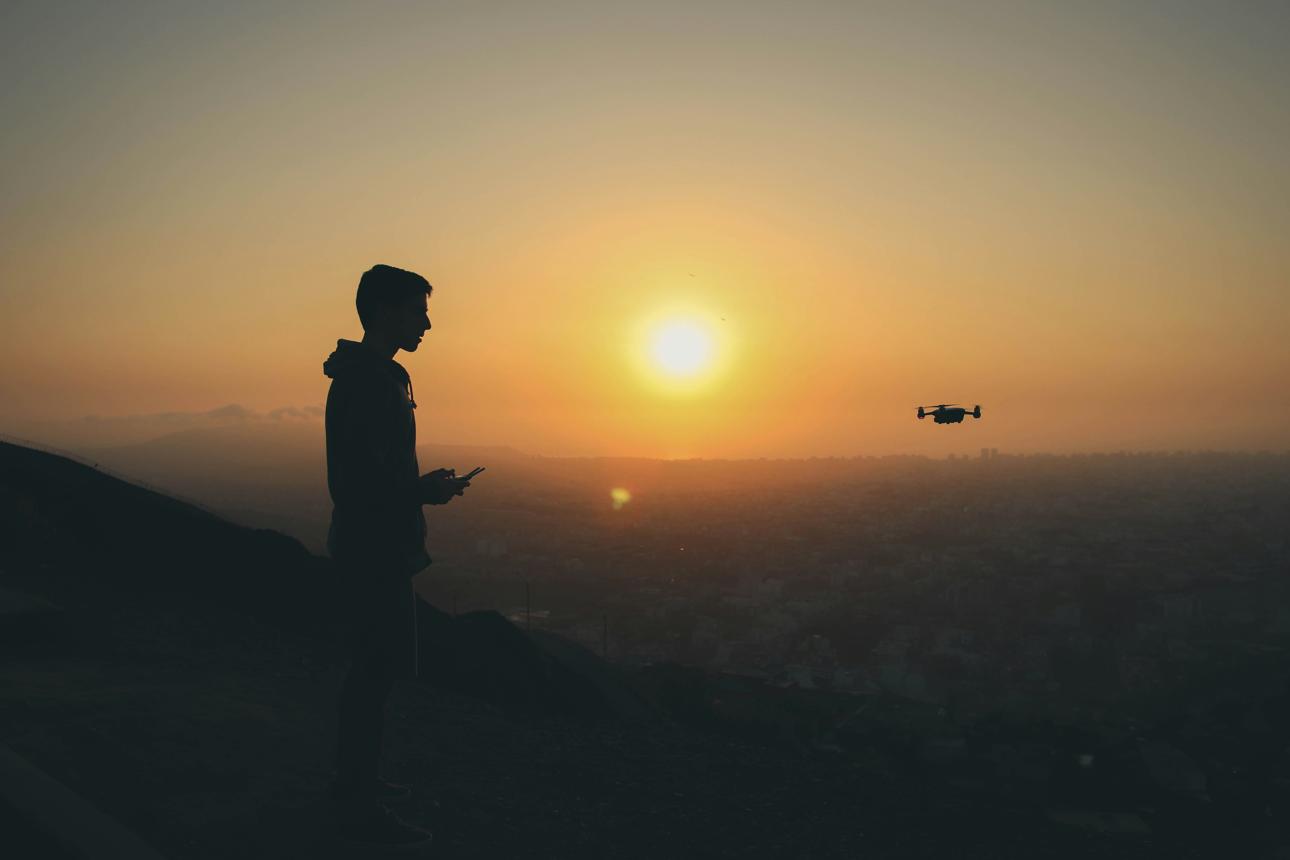
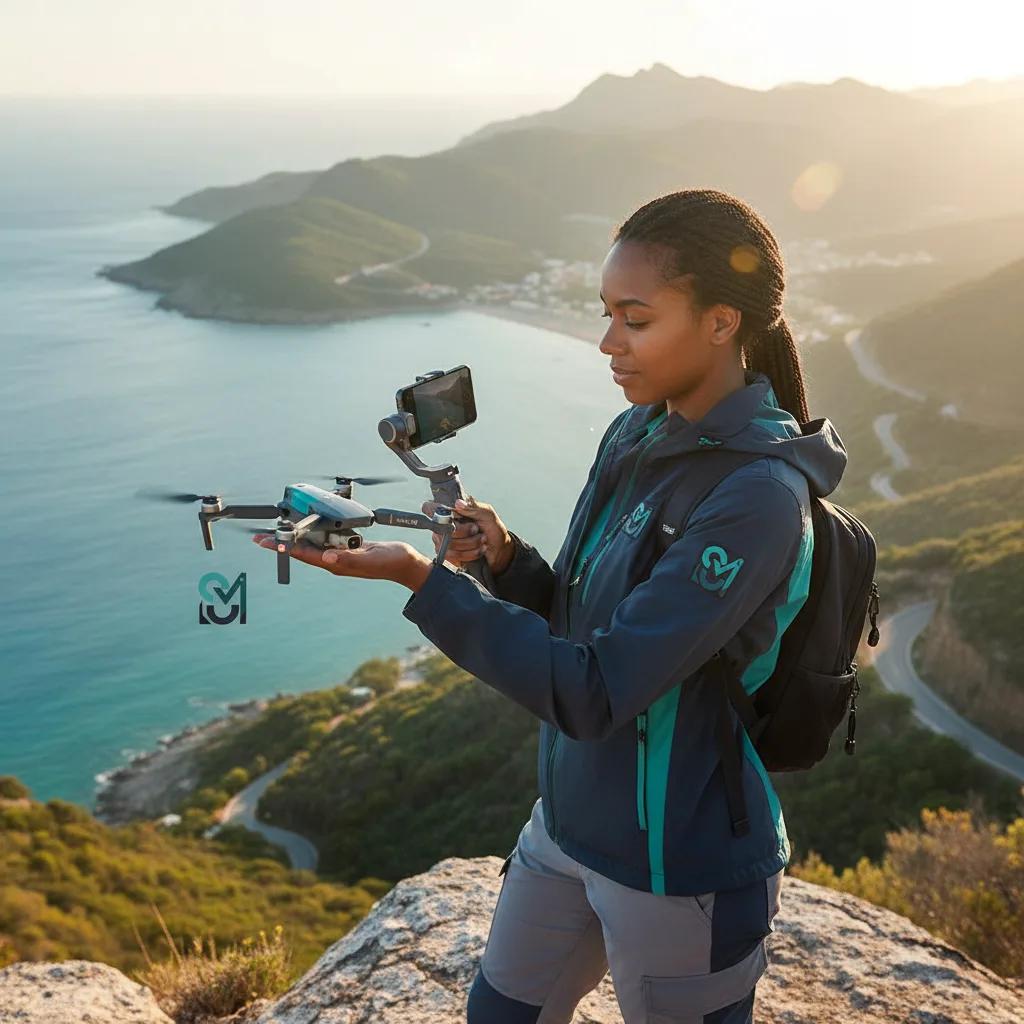
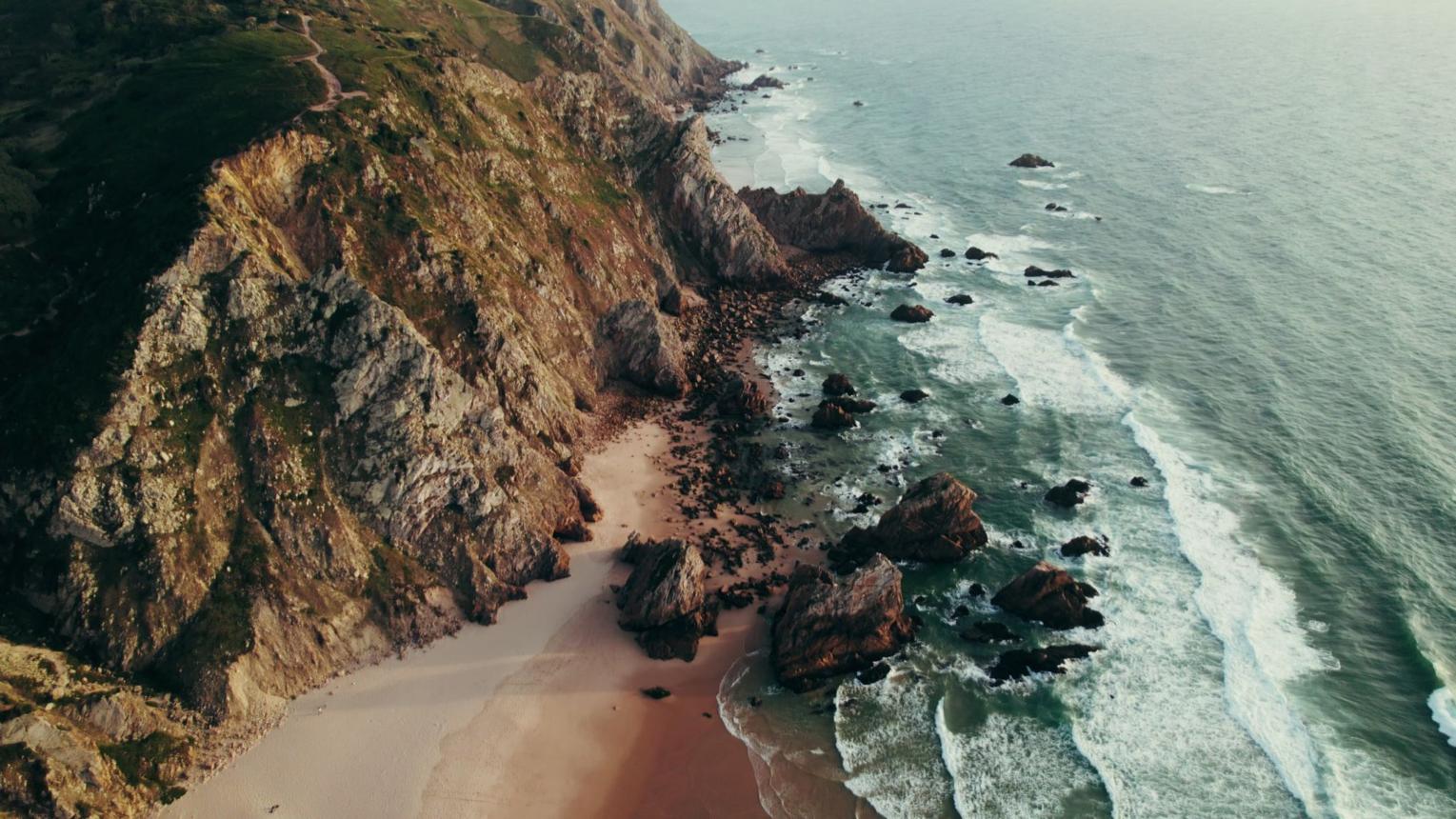
The Photographer or Content Creator
These users care most about:
- Camera quality
- Smooth video
- Intelligent flight modes
- Portability for travel
They may use drones for:
- YouTube videos
- Travel content
- Real estate photography
- Landscape photography
- Social media
These users should prioritize camera performance and stabilization over speed.
|
|
|
The FPV Pilot
FPV pilots want:
- Speed
- Agility
- Immersion
- Adrenaline
These users are often interested in:
- Racing
- Freestyle flying
- Cinematic chase footage
- Technical customization
FPV drones are thrilling, but they are usually not ideal for complete beginners.
The Tech Enthusiast
Some people are drawn to drones because they enjoy:
- Electronics
- Engineering
- Building and modifying hardware
- Programming and tuning systems
These users may eventually build custom drones from parts rather than buying ready-to-fly models.
Understanding the Major Drone Categories
The drone market can seem complicated until you realize most models fit into a few major groups.
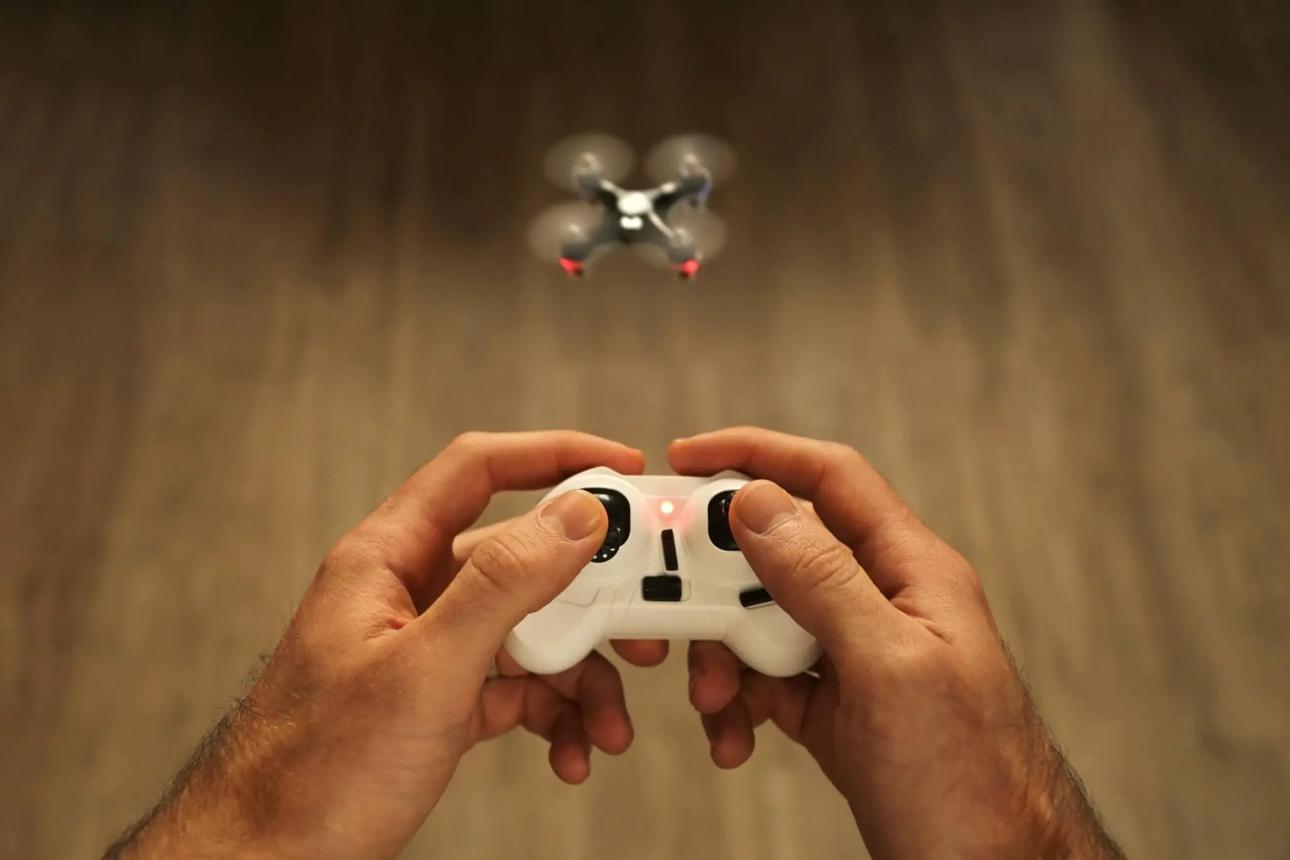
Toy Drones
Toy drones are:
- Small
- Lightweight
- Inexpensive
- Designed mainly for fun
They often include:
- Basic stabilization
- Simple cameras
- Short flight times
- Minimal safety systems
|
|
|
Advantages
- Low cost
- Good for indoor practice
- Less intimidating
- Crashes are cheaper
Disadvantages
- Poor camera quality
- Limited range
- Weak wind resistance
- Short battery life
Toy drones can help beginners learn orientation and control basics, but most enthusiasts quickly outgrow them.
Camera Drones
Camera drones dominate the consumer drone market.
These drones focus on:
- Stable flight
- Smooth aerial video
- Intelligent automation
- Ease of use
Companies like DJI transformed this category by creating compact drones with professional-quality stabilization and cameras.
Common Features
- GPS positioning
- Return-to-home capability
- Obstacle avoidance
- Stabilized gimbal cameras
- Automated flight modes
Advantages
- Beginner-friendly
- Excellent image quality
- Strong safety systems
- Easy to transport
Disadvantages
- More expensive
- Less agile than FPV drones
- Repairs can be costly
For most beginners, a camera drone is the ideal starting point.
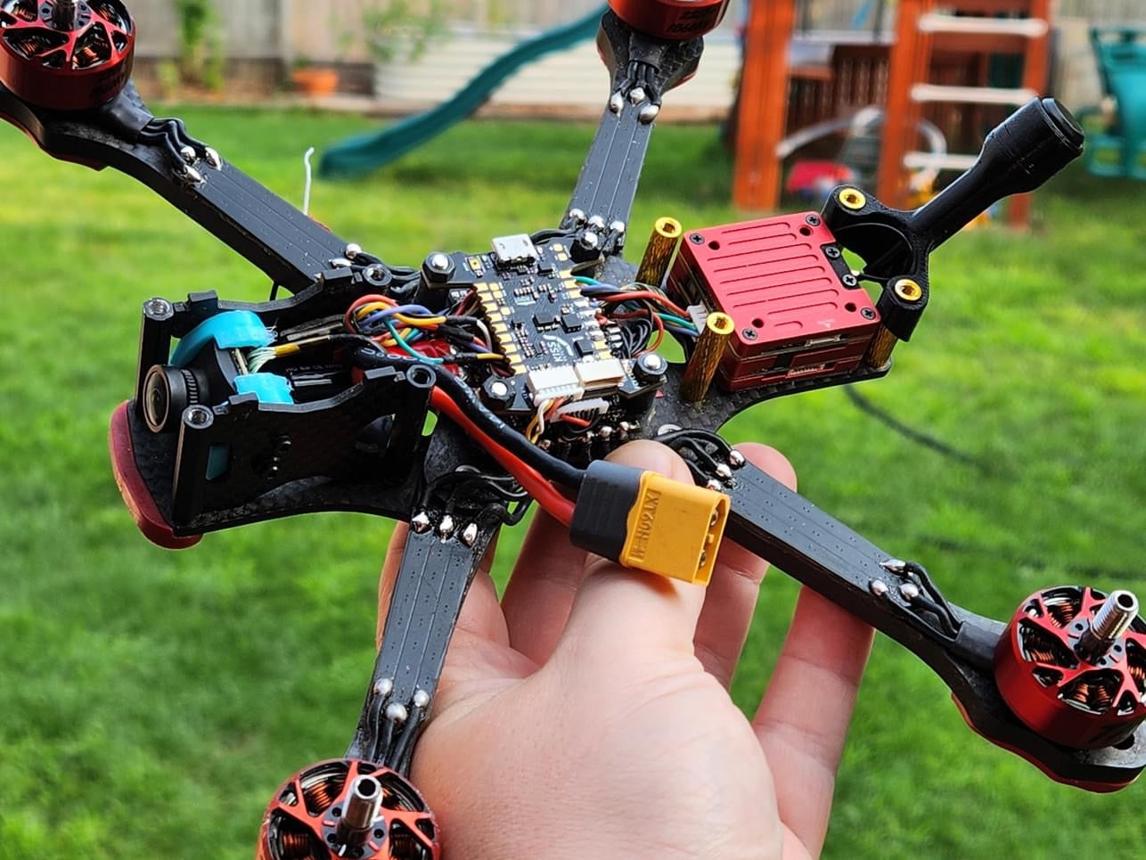
FPV Drones
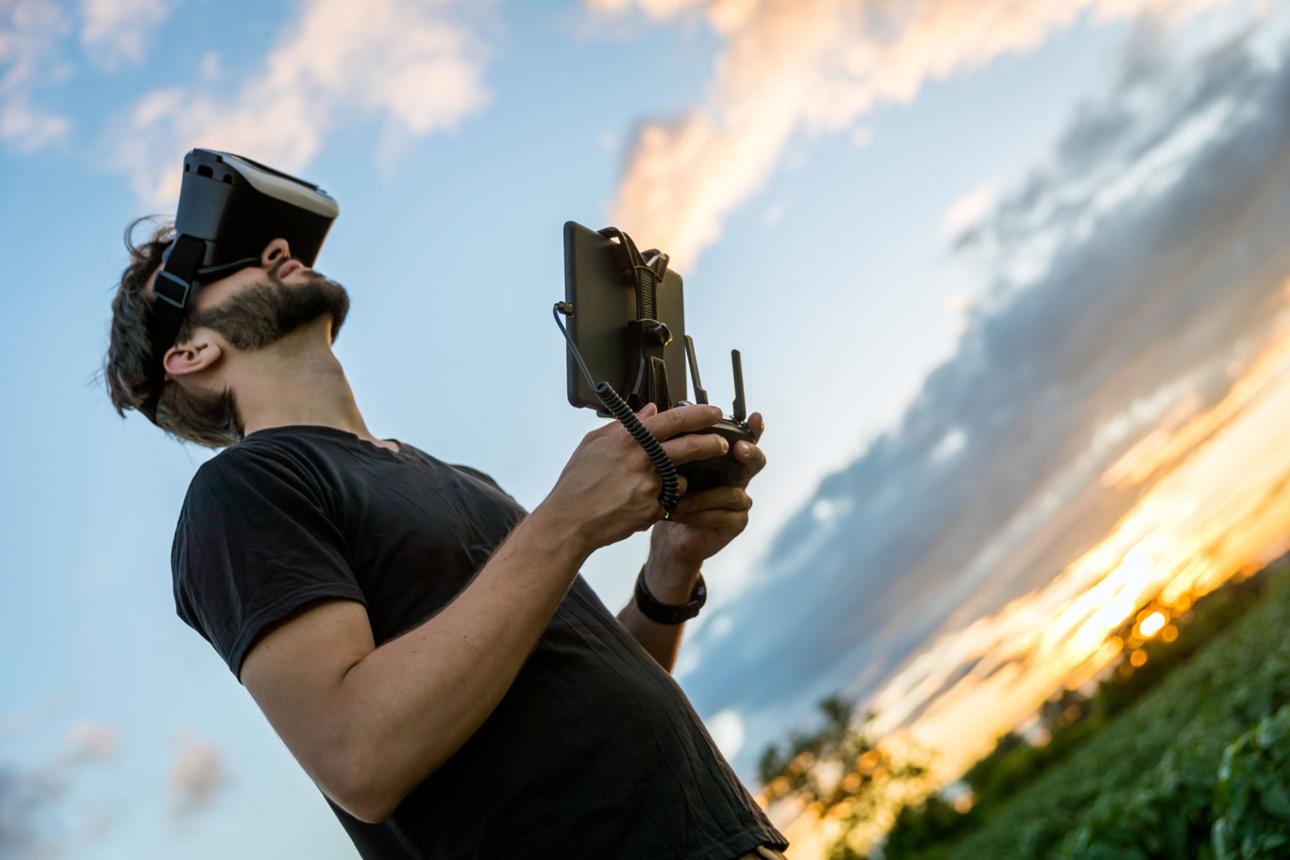
FPV (First Person View) drones prioritize speed and maneuverability.
Pilots wear video goggles and experience flight from the drone’s perspective.
|
|
|
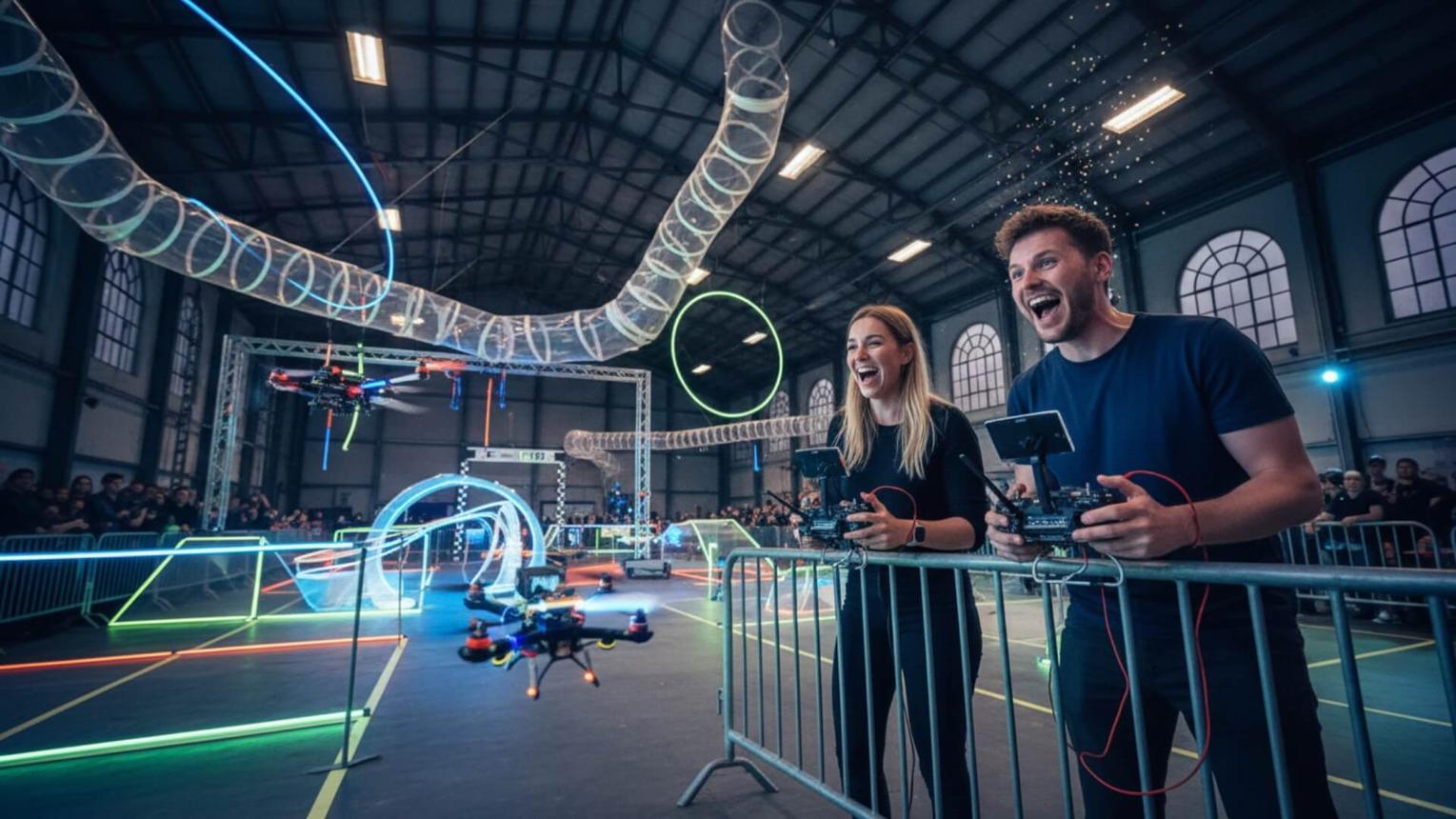
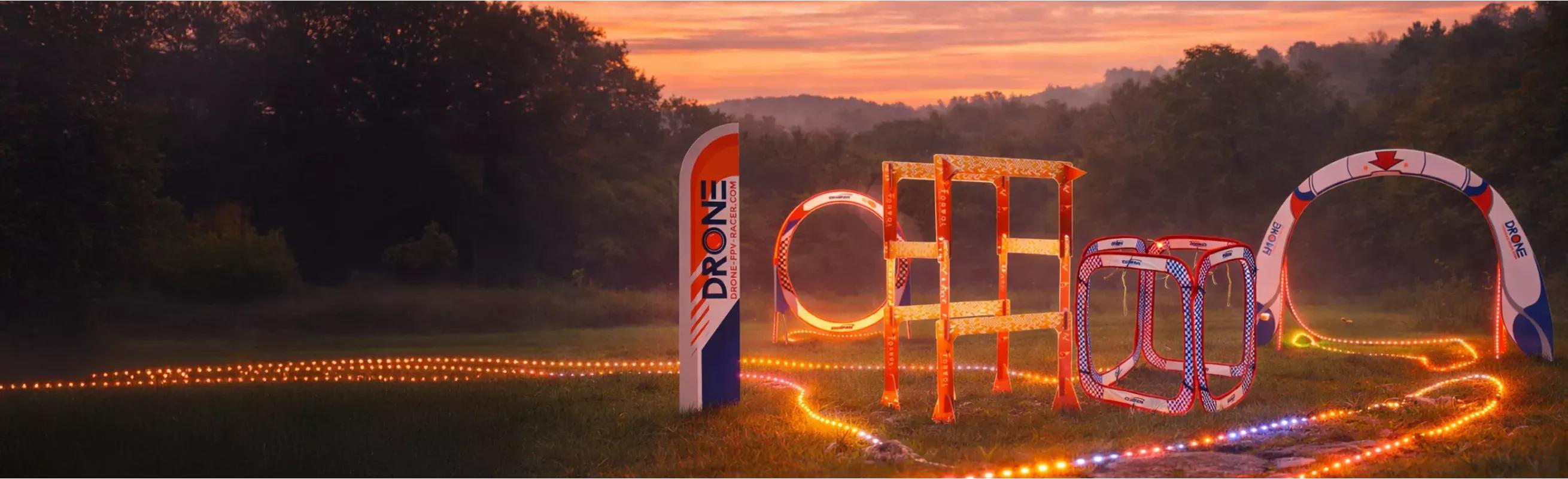
FPV drones are commonly used for:
- Racing
- Freestyle aerobatics
- Cinematic action footage
Advantages
- Extremely immersive
- Fast and exciting
- Highly customizable
- Incredible maneuverability
Disadvantages
- Steeper learning curve
- More crashes
- Requires more maintenance
- Shorter flight times
FPV flying feels more like piloting a high-speed aircraft than operating a camera platform.
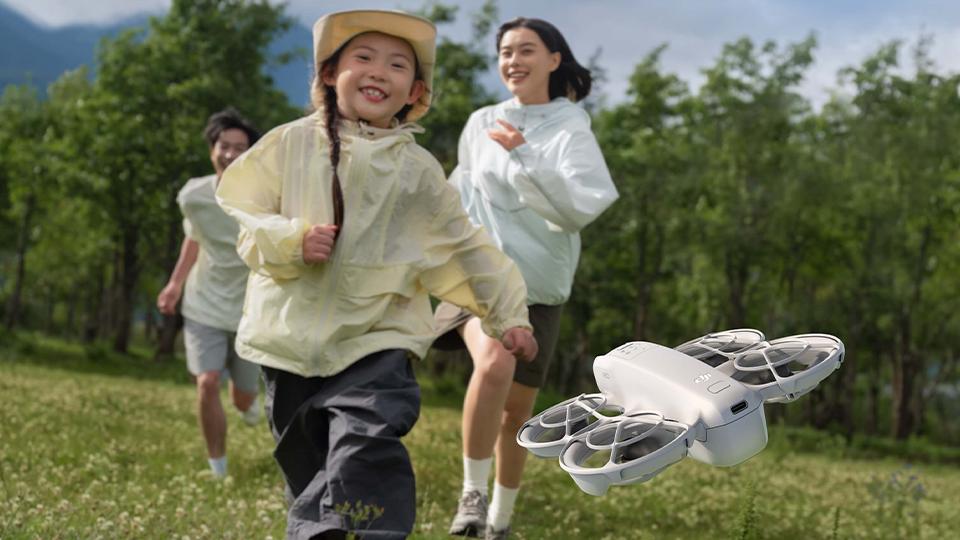
Mini Drones
Recent advances created a highly popular category: lightweight mini drones.
These compact aircraft are:
- Portable
- Quiet
- Travel-friendly
- Easier to transport legally in some regions
Many fold small enough to fit into a jacket pocket while still offering advanced cameras and GPS systems.
Mini drones are excellent for:
- Travelers
- Hikers
- Casual creators
- Beginners wanting convenience
Ready-to-Fly vs DIY
Another important decision is whether to buy:
- A complete ready-to-fly system
- A custom-built drone
Ready-to-Fly (RTF)
RTF drones include:
- Aircraft
- Controller
- Battery
- Software setup
Advantages:
- Easy for beginners
- Minimal setup
- Reliable integration
This is the recommended starting point for most new pilots.
DIY Drones
DIY drones require assembling:
- Motors
- Frames
- Flight controllers
- Radio systems
- Video transmitters
Advantages:
- Fully customizable
- Easier to repair
- Educational
- Popular in FPV communities
Disadvantages:
- Requires technical knowledge
- More troubleshooting
- Higher learning curve
Many experienced pilots eventually move toward DIY systems after learning the basics.
Important Features to Understand
Drone advertisements often emphasize technical specifications that beginners may not fully understand.
Here are the features that matter most.
GPS Stabilization
GPS allows drones to:
- Hover automatically
- Hold position in wind
- Return home automatically
For beginners, GPS dramatically improves safety and ease of use.
Return-to-Home (RTH)
This feature automatically flies the drone back to its takeoff point if:
- Signal is lost
- Battery becomes critically low
- The pilot activates RTH manually
This is one of the most valuable beginner safety systems.
Obstacle Avoidance
Some drones use cameras and sensors to detect objects and prevent collisions.
Obstacle avoidance is helpful but not foolproof.
Pilots should never rely on it completely.
Camera Gimbals
A gimbal is a motorized stabilizer that keeps the camera level and smooth even while the drone moves.
Without a gimbal:
- Video appears shaky
- Footage looks amateurish
For photography and video, a good gimbal is essential.
Battery Life
Manufacturers often advertise optimistic flight times.
Real-world flight times are usually shorter because of:
- Wind
- Aggressive flying
- Cold temperatures
- Camera use
Typical realistic flight times:
- Toy drones: 5–10 minutes
- FPV drones: 3–10 minutes
- Camera drones: 20–40 minutes
Most pilots eventually purchase multiple batteries.
Range
Some drones advertise extreme control ranges of several miles.
In reality:
- Beginners should stay relatively close
- Visual line-of-sight rules often apply legally
- Obstacles reduce signal quality
Reliable connection quality matters more than maximum advertised distance.
Beginner Mistakes When Buying a Drone
New pilots often make predictable mistakes.
Buying the Cheapest Drone Possible
Extremely cheap drones often:
- Fly poorly
- Break easily
- Have unstable controls
- Cause frustration
Sometimes spending slightly more creates a dramatically better experience.
Buying an Advanced FPV Drone Too Early
Many beginners see exciting FPV videos online and immediately purchase high-performance racing drones.
Unfortunately:
- FPV has a steep learning curve
- Crashes are common
- Repairs require skill
Starting with a stable camera drone or FPV simulator is usually smarter.
Ignoring Spare Batteries
A drone with a 25-minute flight time sounds impressive — until you realize you must recharge for over an hour afterward. Extra batteries greatly improve the experience.
Overlooking Local Laws
Some buyers do not realize drones may require:
- Registration
- Remote ID compliance
- Restricted flight zones
Always learn local regulations before flying.
How Much Should You Spend?
A reasonable beginner budget depends on your goals.
Under $100
- Mostly toy drones
- Basic learning only
$200–$500
- Excellent beginner camera drones
- Good balance of features and affordability
$500–$1,500
- Advanced cameras
- Better sensors
- Longer range
- Stronger obstacle avoidance
$1,500+
- Professional-level systems
- Specialized capabilities
- High-end imaging
For most beginners, the sweet spot is usually somewhere between $300 and $800.
What Makes a Great Beginner Drone?
The ideal beginner drone is:
- Stable
- Durable
- Easy to control
- Equipped with GPS
- Has return-to-home capability
- Includes good safety systems
- Portable
- Supported by a large user community
A beginner drone does not need:
- Extreme speed
- Advanced cinematic features
- Professional accessories
- Complex manual controls
The goal is confidence and enjoyment.
The Best Drone Is the One You Actually Fly
Some new buyers spend months researching specifications and comparing tiny technical differences.
Meanwhile, experienced pilots are outside flying.
The truth is:
- Skill matters more than specifications
- Creativity matters more than price
- Experience matters more than marketing
A moderately priced drone in the hands of an active pilot will almost always produce better results than an expensive drone sitting unused in a closet.
Your First Drone Is Only the Beginning
Most hobbyists eventually own more than one drone.
Many start with:
- A beginner camera drone
- Then an FPV drone
- Eventually a custom build or advanced system
Your first drone does not need to be perfect. It only needs to get you into the air safely, confidently, and excited to fly again tomorrow.
In the next chapter, we will explore the technology that makes modern drones possible — including motors, flight controllers, GPS systems, cameras, and the software that keeps these flying machines stable in the sky.