From The Hobby Drone Handbook by Stan Gold · Hobbies
Chapter 15 — The Future of Hobby Drones
Published
A Hobby Still in Its Early Years
Modern hobby drones already seem incredibly advanced. They can:
- Hover automatically
- Avoid obstacles
- Follow subjects
- Capture cinematic footage
- Stream HD video
- Navigate with GPS precision
To many people, this technology already feels futuristic. But in reality, hobby drones are still evolving rapidly. The next decade will likely transform drones even more dramatically through advances involving:
- Artificial intelligence
- Automation
- Computer vision
- Augmented reality
- Battery systems
- Connectivity
- Autonomous coordination
The drones of the future may fly smarter, safer, farther, and more independently than anything hobbyists use today.
This chapter explores some of the technologies and trends likely to shape the future of hobby drones.
AI-Assisted Flying
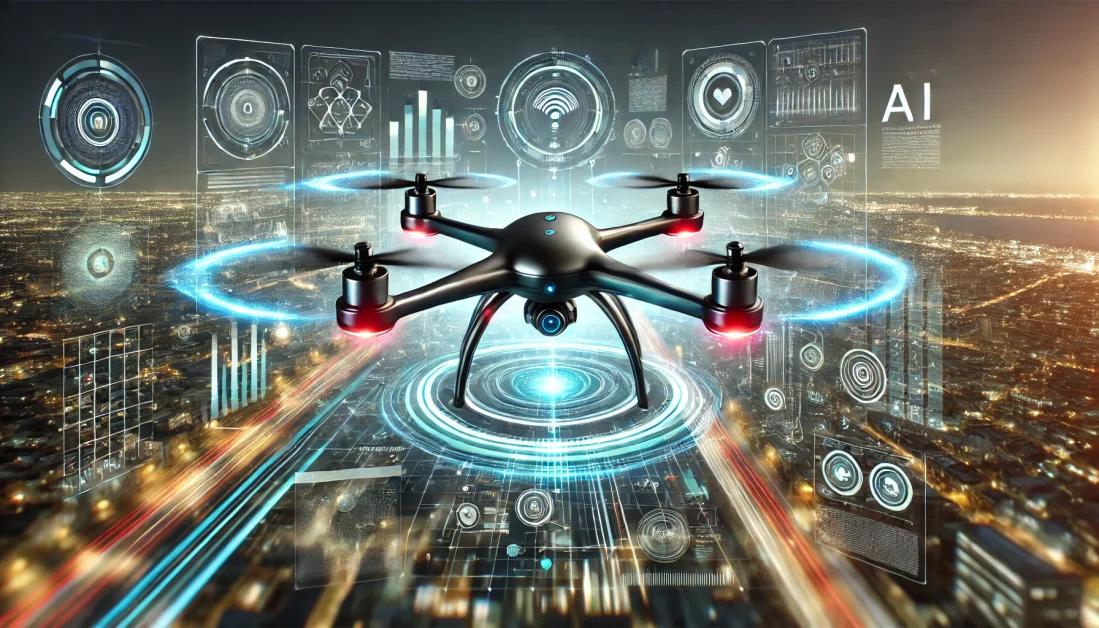
Artificial intelligence is becoming one of the most important developments in drone technology. Today’s drones already use AI in limited ways for:
- Obstacle avoidance
- Subject tracking
- Flight stabilization
- Automated camera movement
Future drones will likely use AI far more extensively.
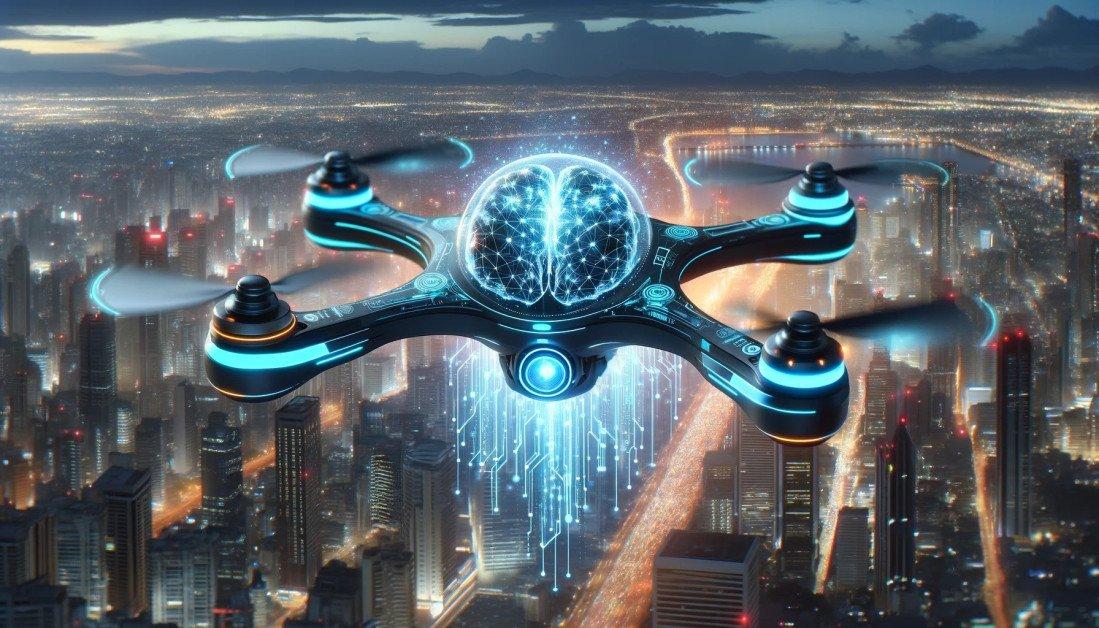
Instead of merely responding to pilot commands, drones may increasingly:
- Analyze surroundings in real time
- Predict hazards
- Plan efficient routes
- Identify objects automatically
- Adapt to changing conditions
AI could make drones easier for beginners while also expanding advanced capabilities for experienced pilots.
Smarter Obstacle Avoidance
Current obstacle-avoidance systems already help prevent many crashes. Future systems may become dramatically more sophisticated. Advanced AI-assisted drones could eventually:
- Navigate dense forests autonomously
- Predict moving obstacles
- Understand terrain dynamically
- Avoid wires and thin branches
- React instantly to unexpected hazards
This could make drone flying:
- Safer
- More accessible
- More reliable in complex environments
Intelligent Subject Tracking
Modern tracking modes already follow:
- People
- Cars
- Bikes
- Boats
But future AI systems may understand scenes much more intelligently. Future drones may automatically:
- Frame cinematic compositions
- Adjust camera movement artistically
- Anticipate subject motion
- Maintain visual storytelling rules
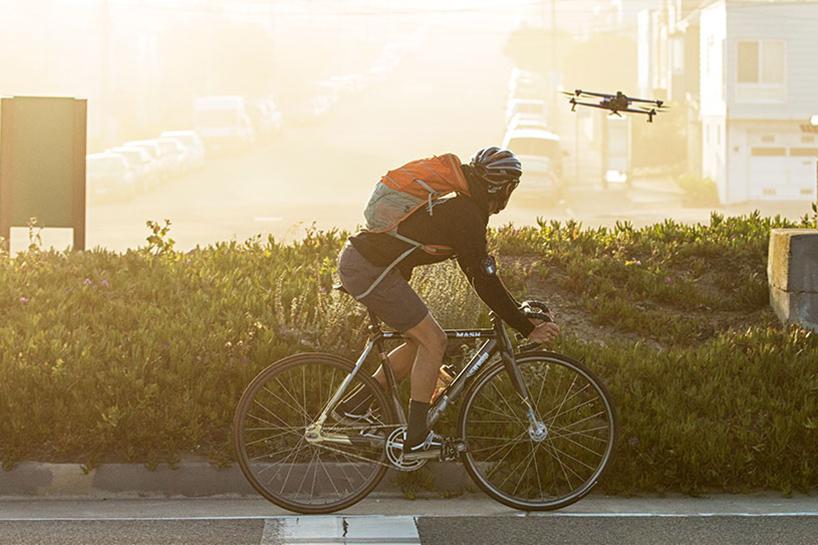
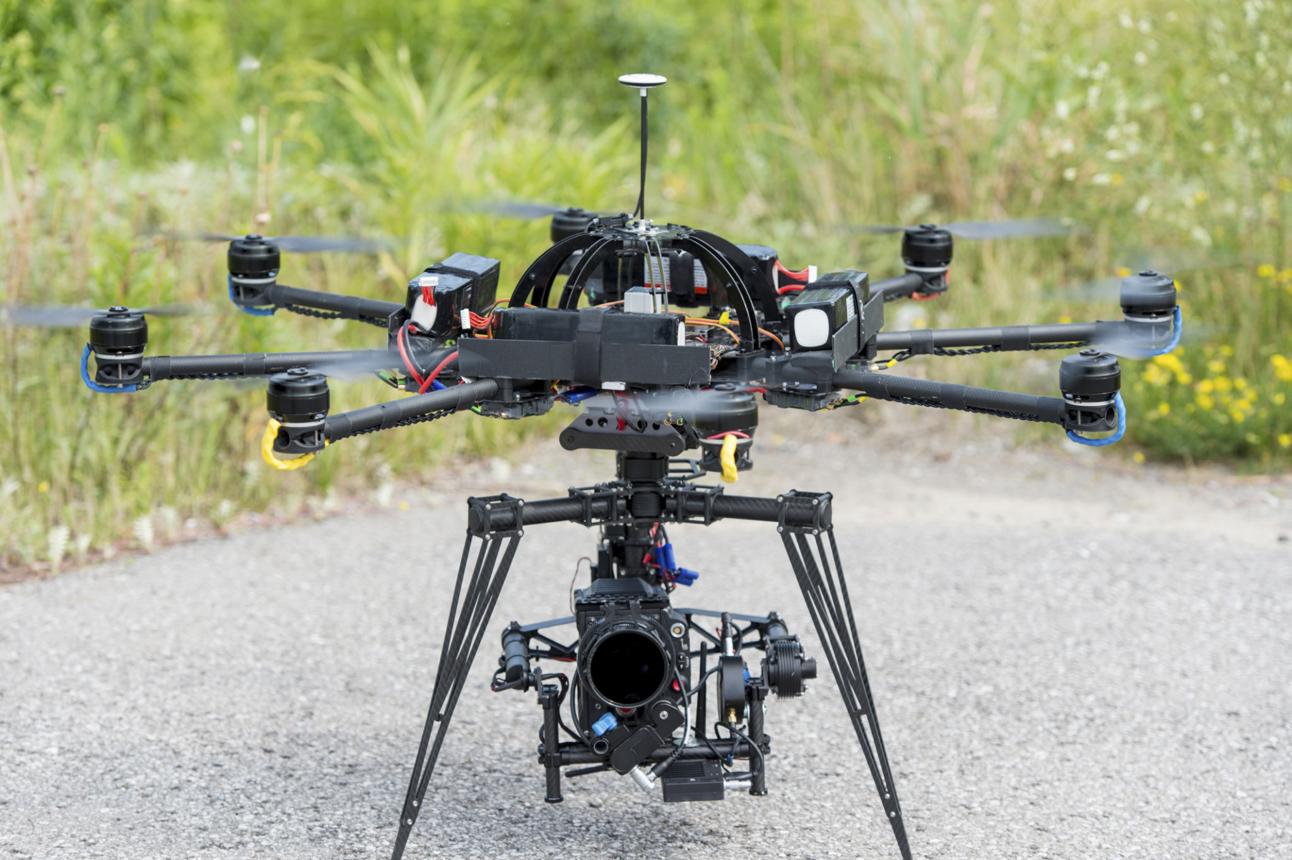
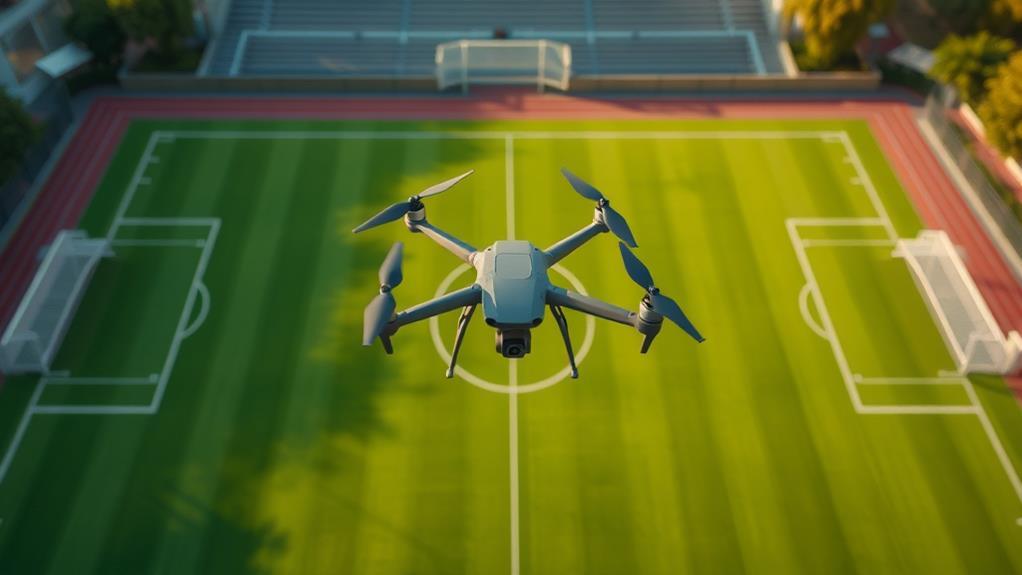
This could allow even beginner pilots to capture professional-looking footage more easily.
Autonomous Drones
One of the biggest future shifts may involve increasing autonomy. Today, most drones still require constant human supervision. Future drones may perform complex missions with minimal input. Autonomous drones could eventually:
- Launch automatically
- Navigate independently
- Return safely without intervention
- Coordinate with cloud systems
- Adapt to weather conditions dynamically
For hobbyists, this may create entirely new forms of flying experiences.
Semi-Autonomous Cinematic Flight
Future drones may assist filmmakers by automatically executing:
- Reveal shots
- Orbit sequences
- Tracking paths
- Cinematic transitions
Pilots could focus more on:
- Creative direction
- Storytelling
- Scene selection
while AI handles much of the flight precision. This may lower the technical barrier for cinematic aerial filmmaking.
Autonomous Racing and FPV Assistance
Even FPV drones may eventually incorporate selective AI assistance. Possible future features include:
- Collision prediction
- Signal optimization
- Automated stabilization recovery
- Smart training modes
Purists may still prefer fully manual control, but assisted systems could help newer pilots learn more safely.
Swarming Technology
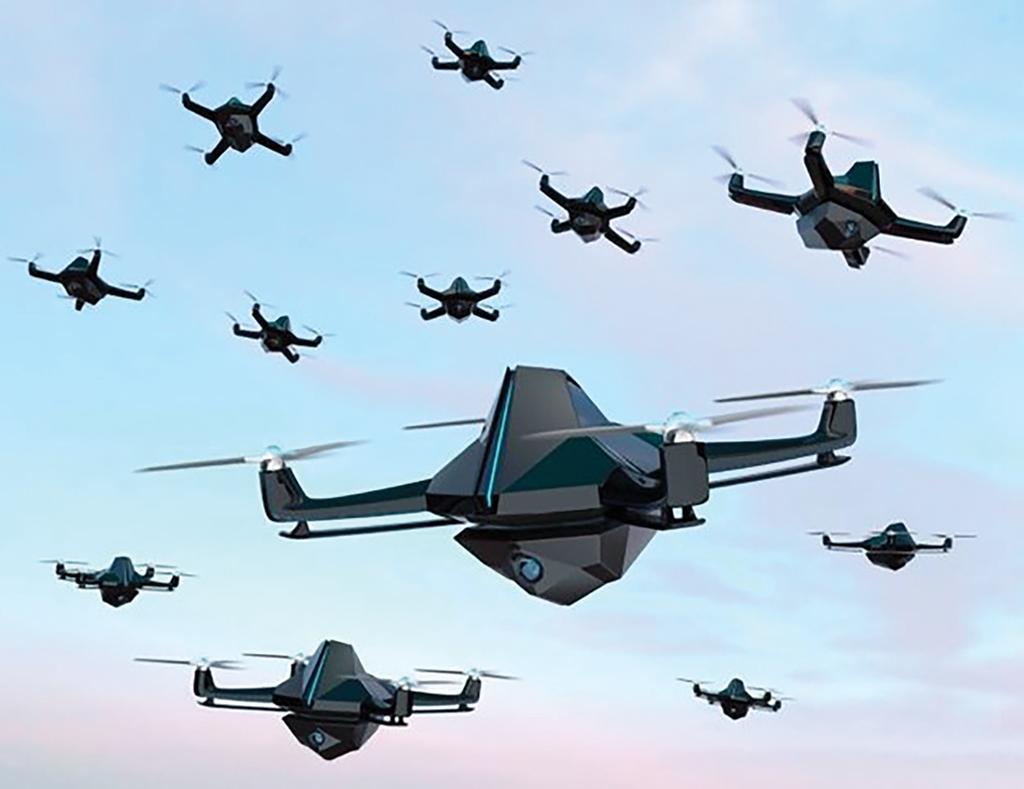
Drone swarms represent one of the most fascinating developments in aerial robotics. A drone swarm involves multiple drones operating cooperatively as a coordinated system.
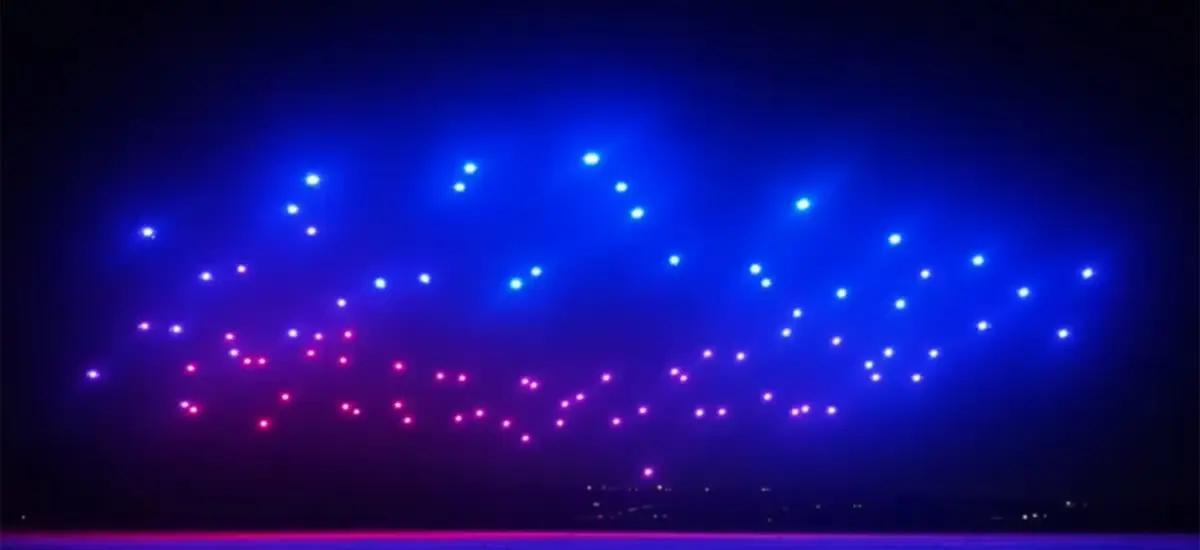
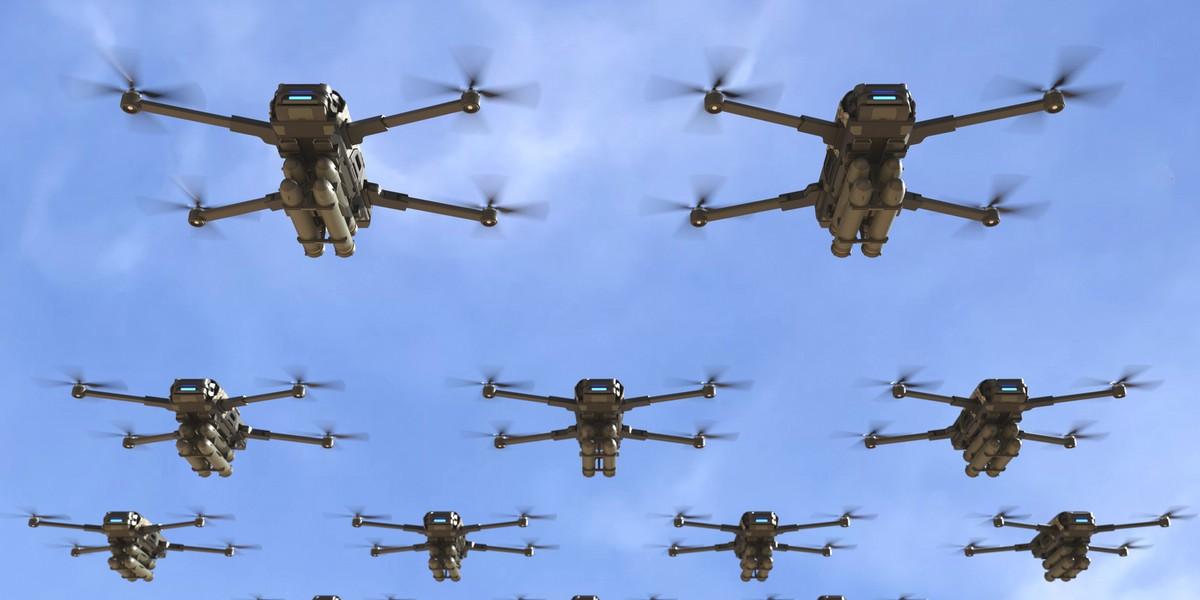
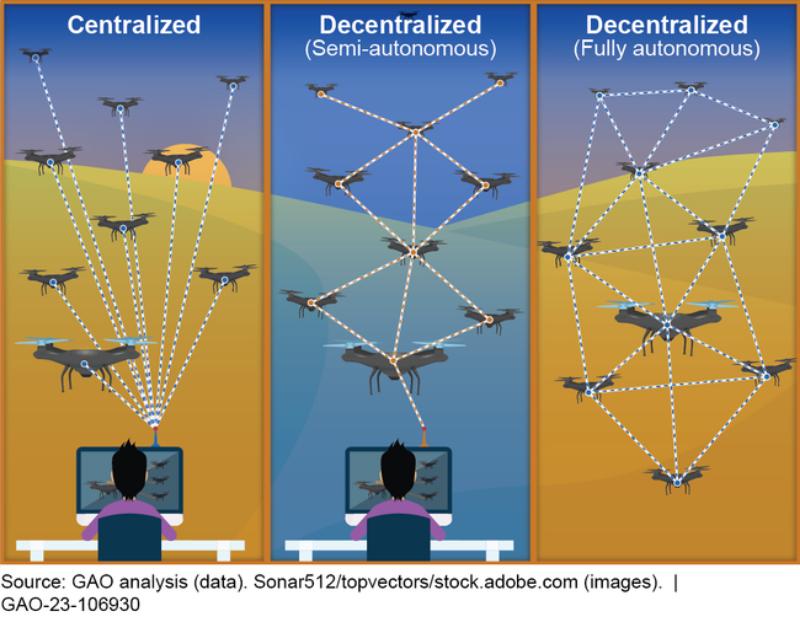
Instead of functioning independently, swarm drones can:
- Share information
- Coordinate movement
- Divide tasks
- React collectively
Swarming technology is already used in:
- Light shows
- Research
- Industrial testing
- Military development
Hobby Applications for Swarms
Future hobby uses for drone swarms could include:
- Coordinated aerial photography
- Multiplayer racing
- Group cinematic filming
- Automated formation flying
- Interactive entertainment
Pilots may eventually control entire drone groups rather than individual aircraft.
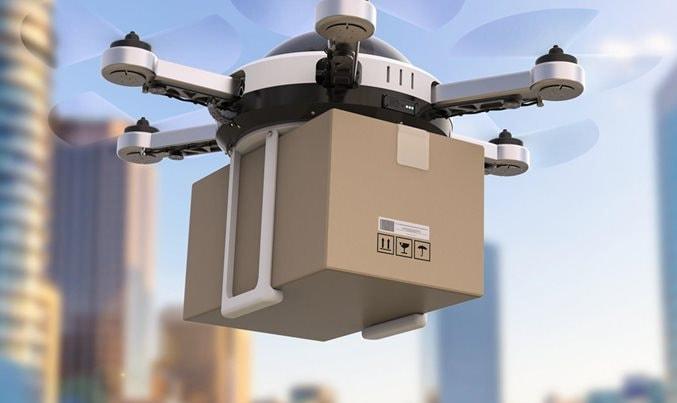
Delivery Drones
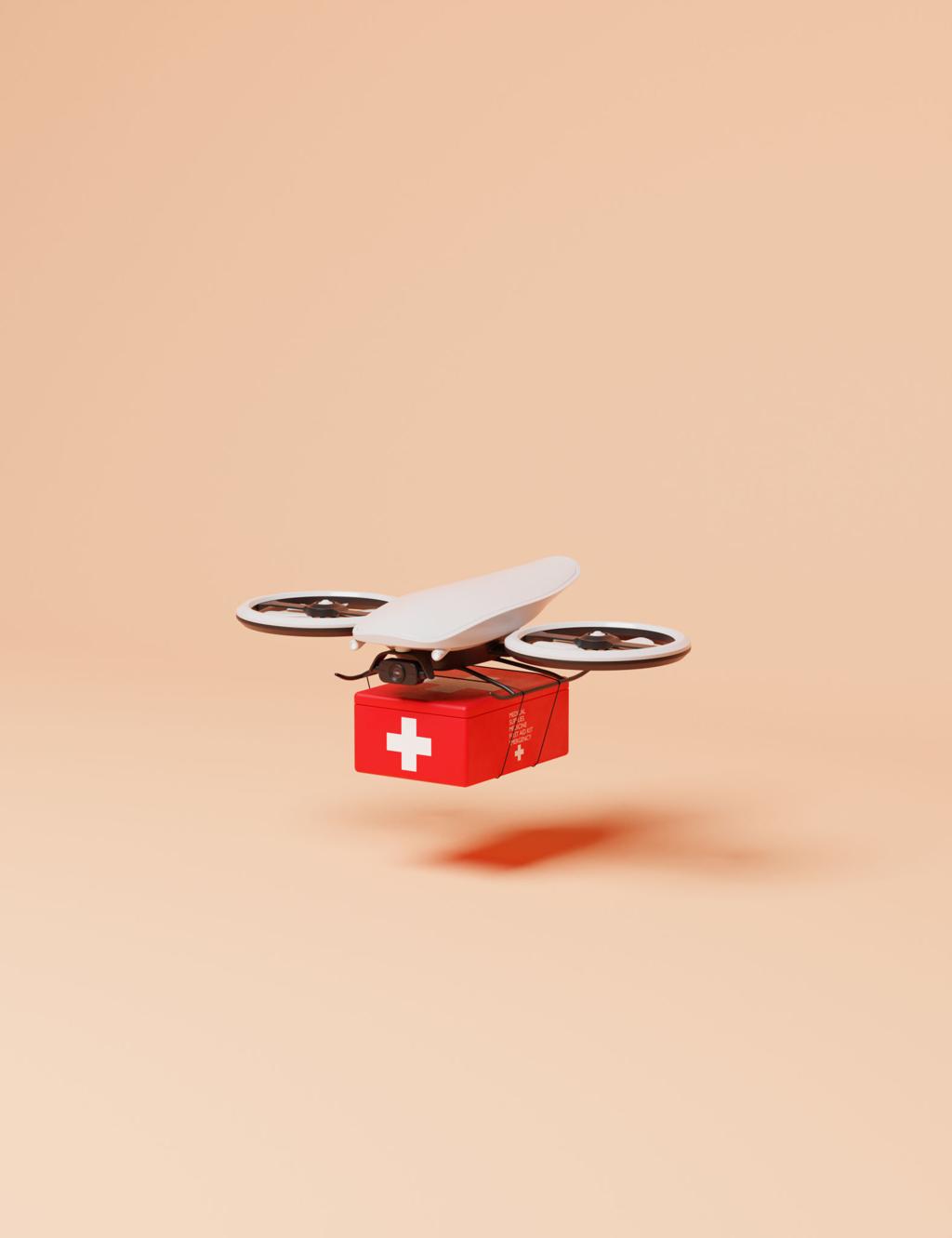
Delivery drones remain one of the most discussed future applications. Companies worldwide are testing drones capable of transporting:
- Packages
- Food
- Medical supplies
- Emergency equipment
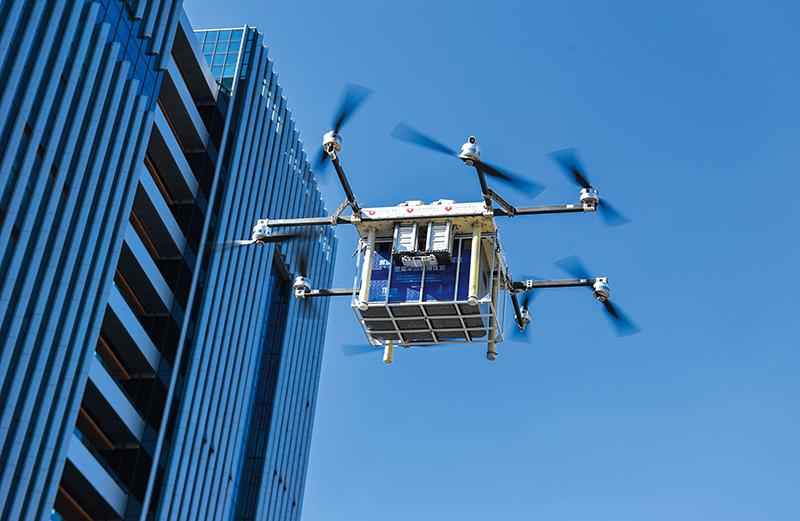
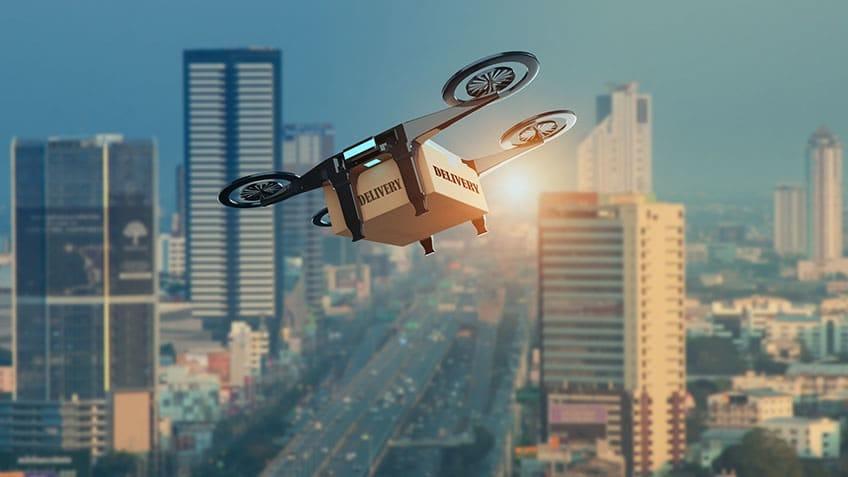
Potential advantages include:
- Faster deliveries
- Reduced road traffic
- Access to remote areas
- Emergency response support
However, large-scale drone delivery still faces major challenges involving:
- Safety
- Regulations
- Air traffic coordination
- Noise
- Infrastructure
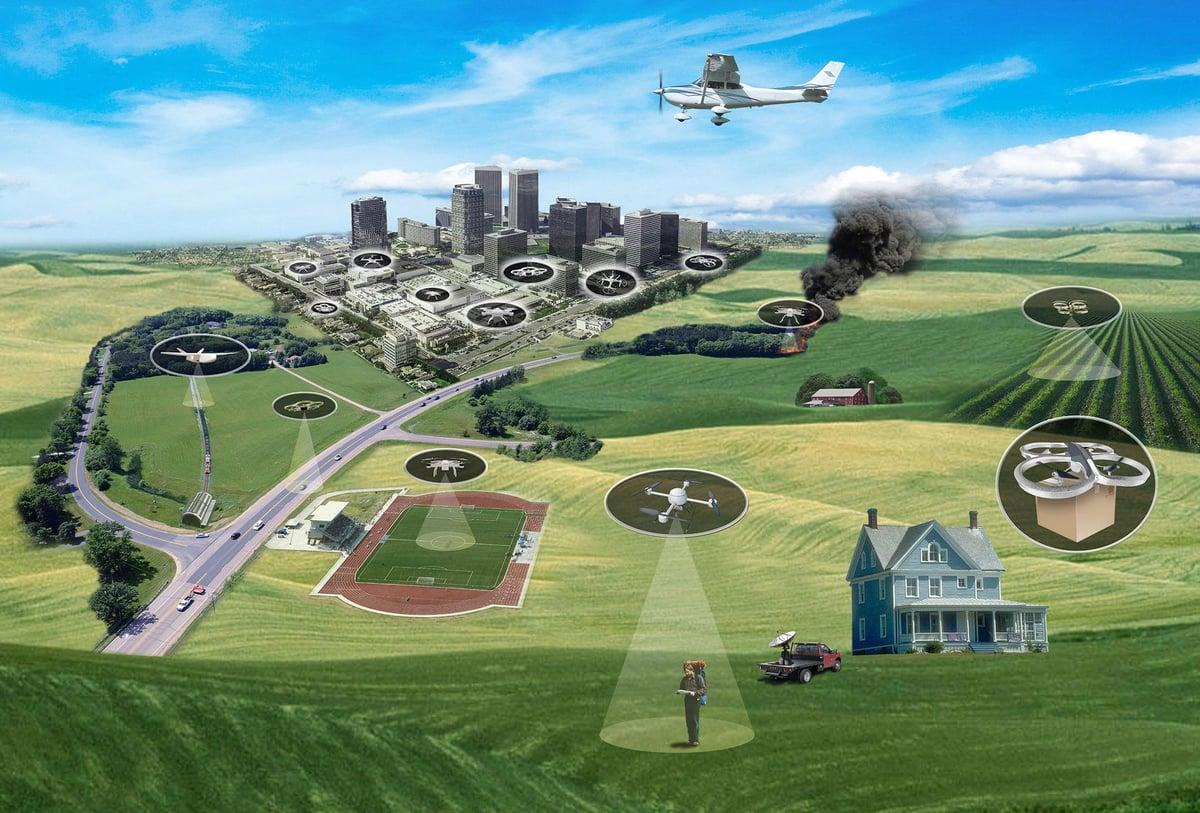
Urban Drone Networks
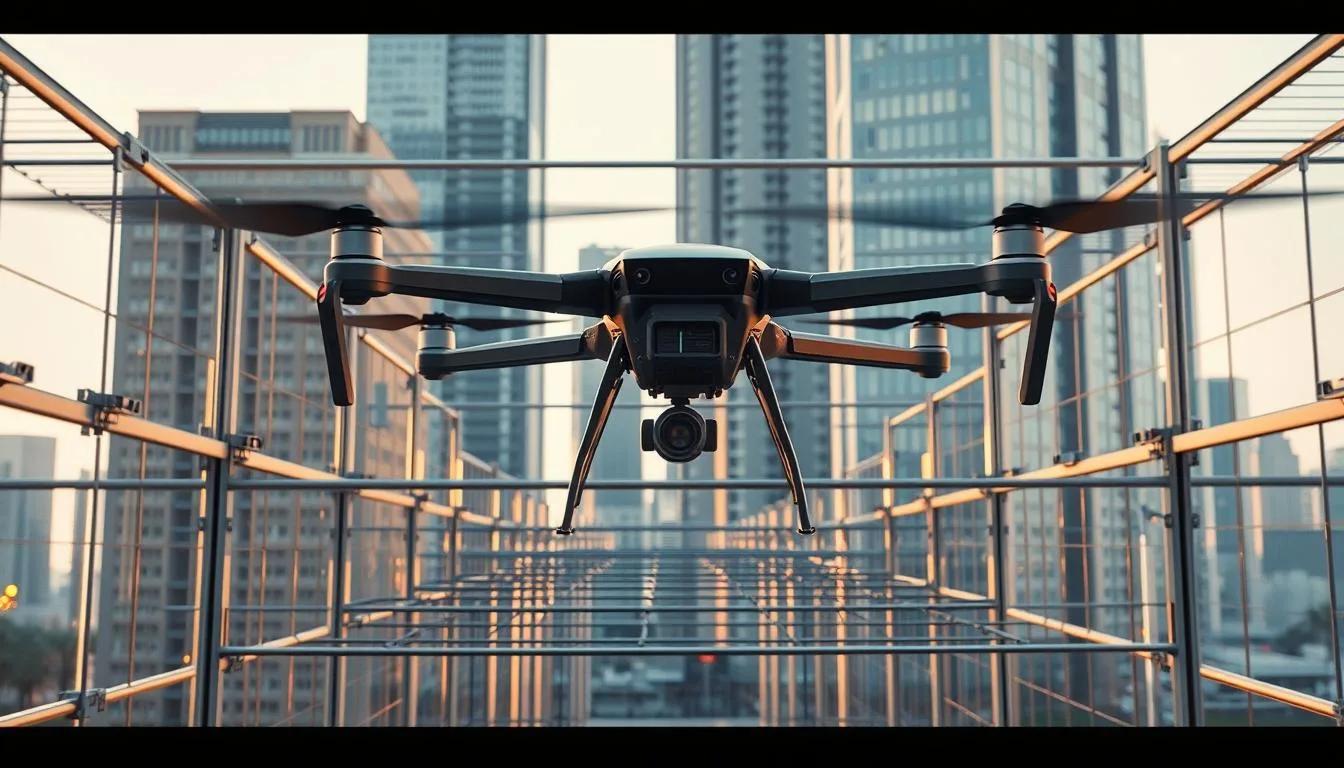
Some experts envision future cities containing organized low-altitude drone corridors. These systems may eventually manage:
- Delivery drones
- Inspection drones
- Emergency-response drones
- Autonomous transportation systems
This would require highly advanced traffic-management technology to safely coordinate thousands of aircraft simultaneously.
Augmented Reality and Drone Flying
Augmented reality may dramatically change how people interact with drones. Future FPV goggles and controllers could display:
- Navigation overlays
- Obstacle warnings
- Flight paths
- Airspace boundaries
- Battery projections
- Subject tracking information
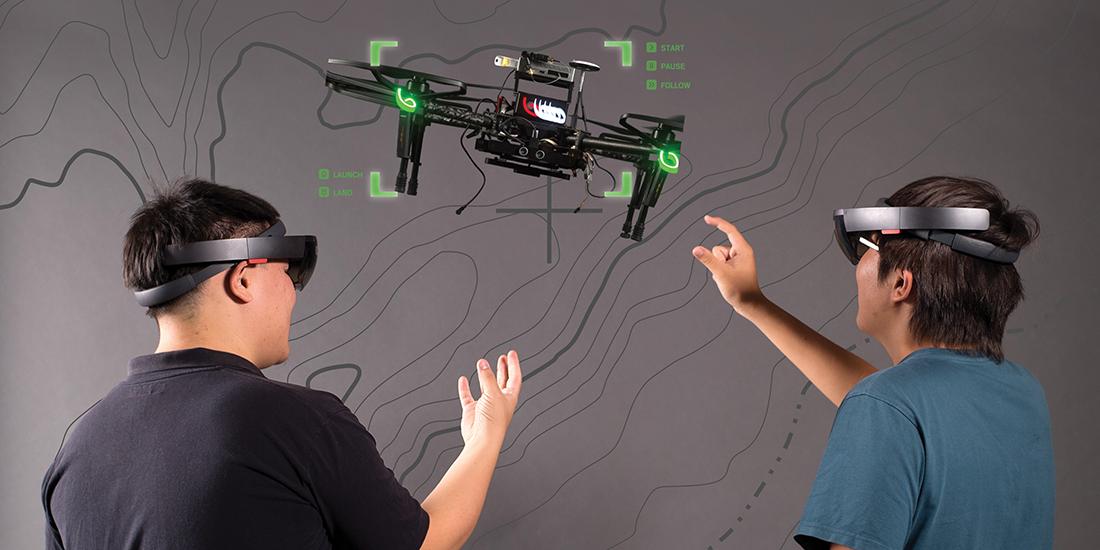
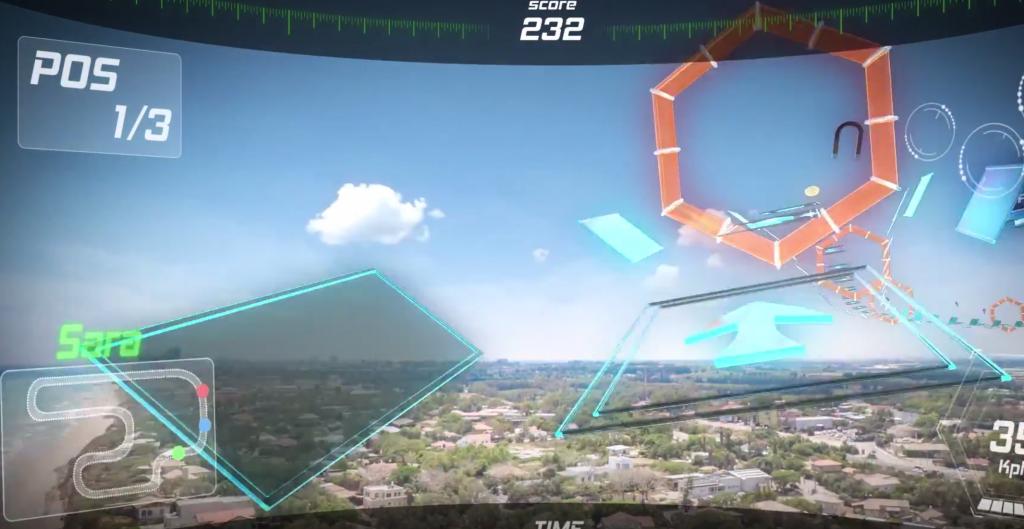
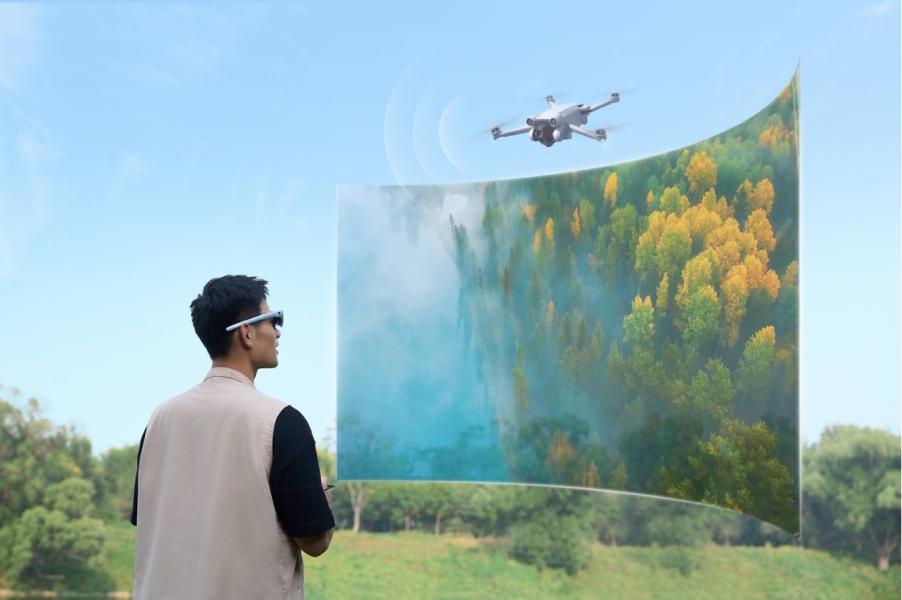
This could make flying feel more immersive and intuitive.
Mixed Reality Flight Experiences
Future systems may combine:
- Real-world flight
- Digital environments
- Interactive overlays
Drone racing could eventually include:
- Virtual gates
- Dynamic digital obstacles
- Interactive augmented environments
The line between gaming and real-world flight may continue to blur.
Advances in FPV Technology
FPV systems continue improving rapidly. Future developments may include:
- Higher-resolution video
- Lower latency
- Better signal penetration
- Lightweight digital systems
- AI-assisted stabilization
Improved transmission systems may make long-range FPV flying safer and more reliable.
Battery and Power Improvements
Battery limitations remain one of the biggest restrictions in hobby drones. Most drones today still operate for relatively short periods before recharging. Future advances may involve:
- Better lithium battery chemistry
- Solid-state batteries
- Hydrogen fuel cells
- Solar-assisted systems
Longer endurance would dramatically expand:
- Exploration
- Cinematic filmmaking
- Autonomous operations
- Mapping
- Racing possibilities
Smaller, Smarter, and More Portable
Electronics continue shrinking while increasing in power. Future drones may become:
- More compact
- More foldable
- More energy efficient
- Easier to carry
- Faster to deploy
Pocket-sized drones with advanced capabilities may eventually become commonplace.
Quieter Drones
Noise remains one of the biggest public complaints about drones. Manufacturers are actively researching:
- Quieter propellers
- Improved airflow design
- More efficient motors
- Noise-reduction technologies
Quiet drones would improve:
- Public acceptance
- Urban usability
- Wildlife safety
- Filmmaking flexibility
Reducing drone noise may become essential for widespread everyday integration.
Regulatory Trends
As drones become more capable and widespread, regulations will continue evolving. Governments must balance:
- Innovation
- Safety
- Privacy
- Airspace management
- Commercial interests
Future regulations may involve:
- Expanded remote identification systems
- Automated airspace monitoring
- Dynamic geofencing
- AI-assisted compliance
- Drone traffic management networks
The future of hobby flying will depend heavily on how well drones integrate into shared airspace responsibly.
Privacy and Ethical Questions
As drones become smarter and more autonomous, ethical concerns will grow as well. Future debates may involve:
- Surveillance
- Facial recognition
- Automated monitoring
- Data collection
- Airspace privacy
Responsible drone culture will remain extremely important. Public trust will shape how freely drones can operate in the future.
Environmental Considerations
Future drone growth also raises environmental questions involving:
- Battery waste
- Wildlife disturbance
- Noise pollution
- Urban congestion
Manufacturers may increasingly focus on:
- Sustainable materials
- Recyclable batteries
- Energy efficiency
- Reduced environmental impact
Human Creativity Will Still Matter
Even with advanced automation, drones will still rely heavily on human creativity. AI may help with:
- Navigation
- Stabilization
- Flight planning
- Safety
But people will still decide:
- What stories to tell
- What moments matter
- What perspectives feel meaningful
- How footage should look emotionally
Technology can automate mechanics. It cannot fully replace artistic vision.
The Future of Exploration
Drones continue expanding how humans experience the world. Future hobbyists may explore environments through:
- Autonomous scouting systems
- Immersive FPV
- AI-guided cinematography
- Real-time mapping
- Mixed reality interfaces
The sense of exploration that attracts people to drones today may become even more immersive tomorrow.
Hobbyists Will Continue Driving Innovation
Many important drone innovations originally emerged from:
- Hobby communities
- DIY builders
- FPV pilots
- Open-source developers
Enthusiasts continue experimenting with:
- New flight systems
- Custom firmware
- Creative camera techniques
- Autonomous programming
The future of drones will not only be shaped by large corporations. Passionate hobbyists will continue influencing the direction of the technology itself.
The Sky Is Becoming Interactive
For most of human history, ordinary people experienced the sky only from the ground. Drones changed that.
Now people can:
- Fly
- Film
- Explore
- Build aircraft
- Experience aerial perspectives directly
The future may make the sky even more interactive, intelligent, and accessible.
A Hobby With an Expanding Horizon
What makes hobby drones so exciting is that the technology still feels unfinished. There are still major breakthroughs ahead involving:
- AI
- Energy systems
- Flight automation
- Immersive interfaces
- Robotics
- Connectivity
Today’s drones are likely only an early chapter in a much larger technological story. And for the hobbyist pilot, that means something exciting: The future of flying is still being invented.