From The Hobby Drone Handbook by Stan Gold · Hobbies
Chapter 6 — Becoming a Better Pilot
Published
Beyond Basic Flight
Learning to hover and land safely is only the beginning of becoming a drone pilot.
At first, flying a drone feels mechanical. You think carefully about every movement:
- Which stick controls altitude?
- Which direction is the drone facing?
- How much throttle should you use?
- Are you drifting sideways?
But after enough practice, something changes.
The controls begin to feel natural.
Instead of consciously thinking about the joysticks, you start focusing on:
- The environment
- Camera composition
- Flight paths
- Wind conditions
- Timing and movement
This is the transition from simply operating a drone to truly piloting one.
Good pilots are not defined by flashy maneuvers or risky flying. They are defined by:
- Precision
- Smoothness
- Awareness
- Consistency
- Judgment
This chapter explores the skills and habits that help beginner pilots become confident, capable flyers.
Smooth Flying Is Skilled Flying
One of the biggest differences between beginners and experienced pilots is movement quality.
Beginners often:
- Make sudden corrections
- Accelerate too aggressively
- Stop abruptly
- Fight the controls
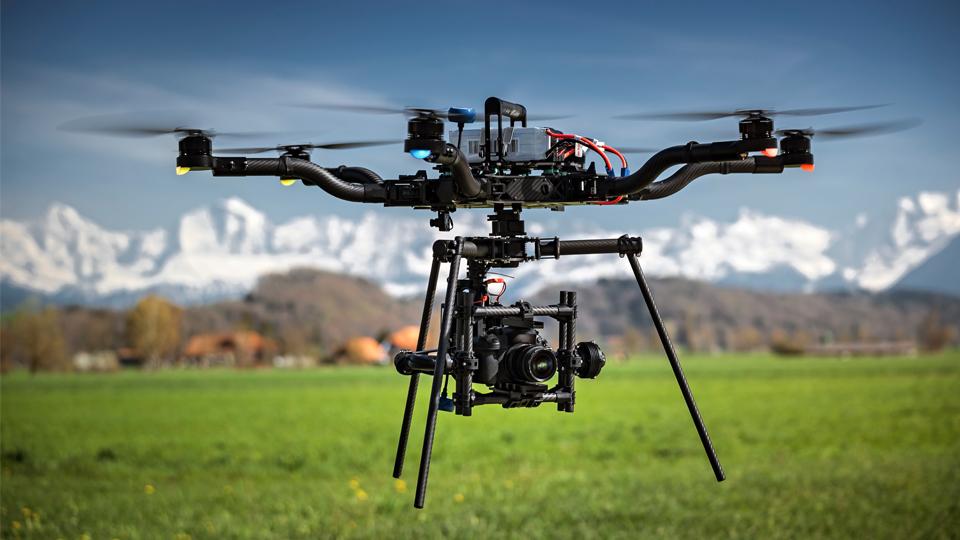
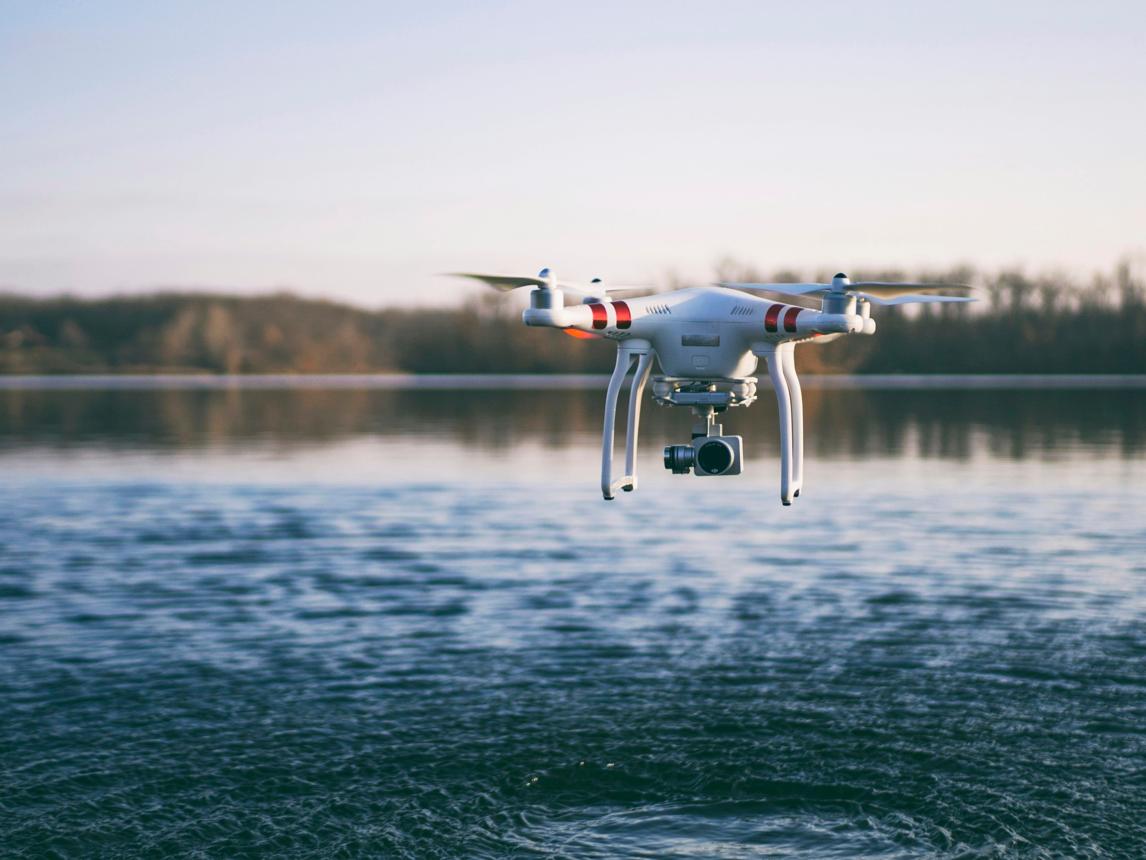
Experienced pilots move smoothly and deliberately.
|
|
|
Smooth flying matters because it:
- Produces better video
- Improves stability
- Conserves battery power
- Reduces stress
- Creates safer flights
Think of drone movement like driving a car with a cup of water on the dashboard. Sudden inputs create instability. Gentle movements create control.
Learning Momentum and Inertia
Drones do not stop instantly.
Even advanced drones carry momentum during movement.
New pilots often:
- Accelerate too quickly
- Brake too aggressively
- Overshoot turns
Experienced pilots anticipate motion ahead of time.
For example:
- Start slowing before reaching your destination
- Ease into turns gradually
- Avoid sudden directional changes
Understanding momentum creates more elegant and predictable flight paths.
Flying With Intention
As skills improve, flights become less random.
Instead of wandering aimlessly, experienced pilots begin planning:
- Routes
- Angles
- Camera movements
- Shot sequences
Good pilots ask themselves:
- What am I trying to capture?
- Where is the light?
- What obstacles exist?
- What movement would look best?
Intentional flying dramatically improves results.
Wind Management
Wind is one of the most important real-world flying challenges.
Even moderate wind affects:
- Stability
- Battery life
- Control precision
- Video smoothness
Understanding Wind at Altitude
Conditions often become windier as altitude increases.
A calm launch area may hide:
- Strong upper-level gusts
- Turbulence near structures
- Coastal wind shifts
Always test conditions gradually before climbing high or flying far.
Flying Into the Wind First
One of the smartest habits is flying into the wind early in the flight.
Why?
Because returning against strong wind consumes more battery power.
If you fly downwind first, the return trip may become difficult or impossible as batteries drain.
Experienced pilots often:
- Fly into the wind initially
- Return with tailwind assistance later
This simple strategy prevents many lost drones.
Reading Environmental Conditions
Good pilots constantly observe their environment.
Watch for:
- Moving trees
- Water surface patterns
- Dust movement
- Flag direction
- Bird behavior
These clues help predict wind conditions before problems occur.
Improving Orientation Skills
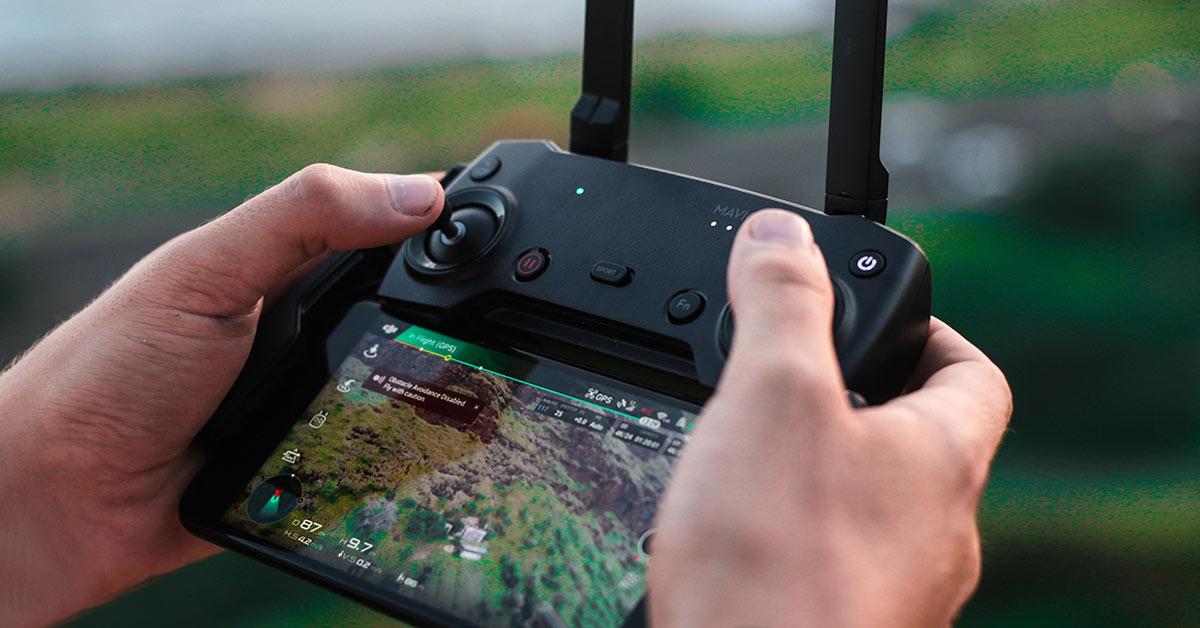
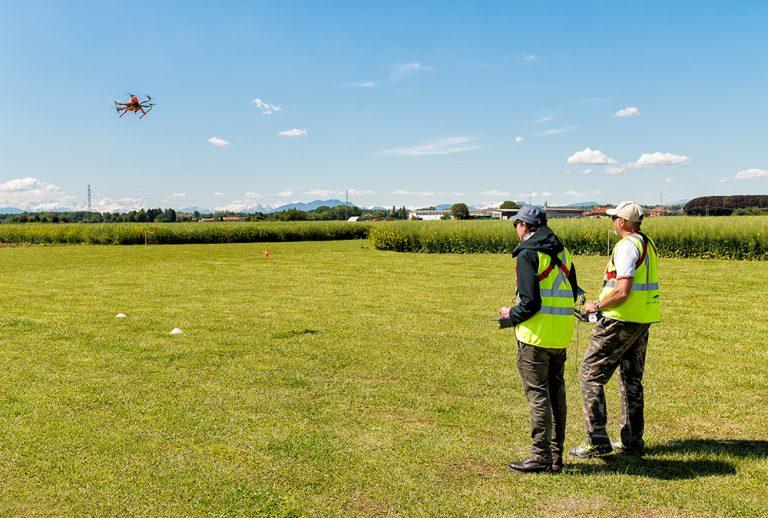
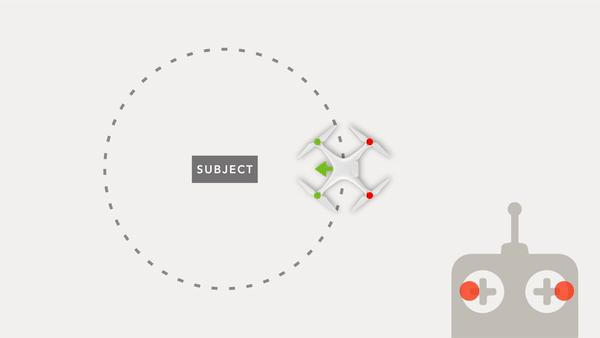
Orientation remains challenging even for intermediate pilots.
Complex backgrounds, distance, and lighting can make it difficult to determine:
- Which way the drone faces
- Whether it is moving toward or away from you
7
Techniques for Better Orientation
Use Color and Lighting
Many pilots place colored stickers or LEDs on drones to identify front and rear orientation more easily.
Avoid Excessive Distance
If the drone becomes too small to identify clearly, bring it closer.
Beginners often fly farther away than their skills support.
Practice Nose-In Flying
Nose-in hovering and maneuvering improves mental orientation skills dramatically.
This remains one of the best training exercises for all pilots.
Flying Around Obstacles
Open fields are excellent for beginners, but real-world environments include:
- Trees
- Buildings
- Bridges
- Terrain
- Power lines
Flying near obstacles requires increased precision and awareness.
The Danger of Thin Obstacles
Power lines, branches, and wires are especially dangerous because:
- They are difficult to see
- Obstacle sensors may miss them
- FPV cameras can hide depth perception
Many crashes happen because pilots focus on large obstacles while forgetting smaller hazards.
Maintain Escape Routes
Experienced pilots rarely fly into spaces without exit options.
When flying near structures or trees:
- Maintain safe spacing
- Leave recovery room
- Avoid tight areas beyond your skill level
A good pilot always leaves room for error.
Tracking Moving Subjects
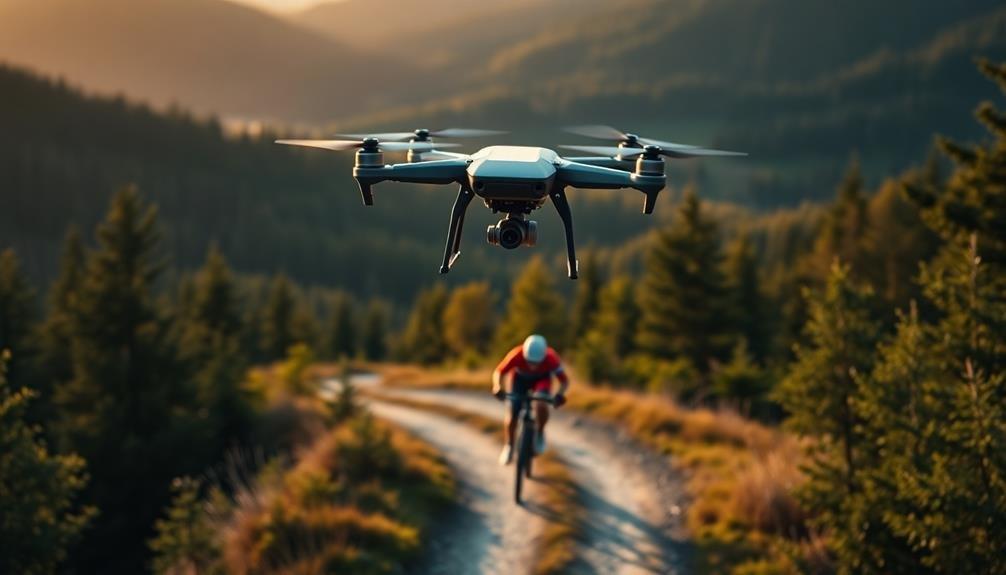
Following moving subjects is one of the most rewarding drone skills.
Popular tracking subjects include:
- Cars
- Boats
- Cyclists
- Hikers
- Surfers
- Wildlife
- Athletes
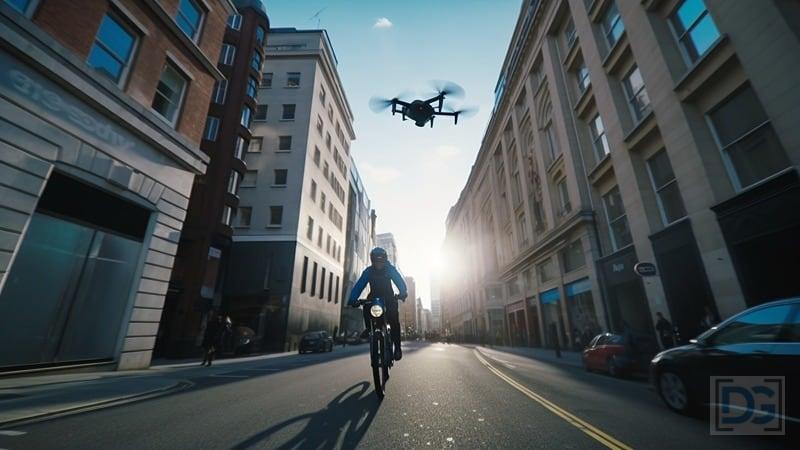
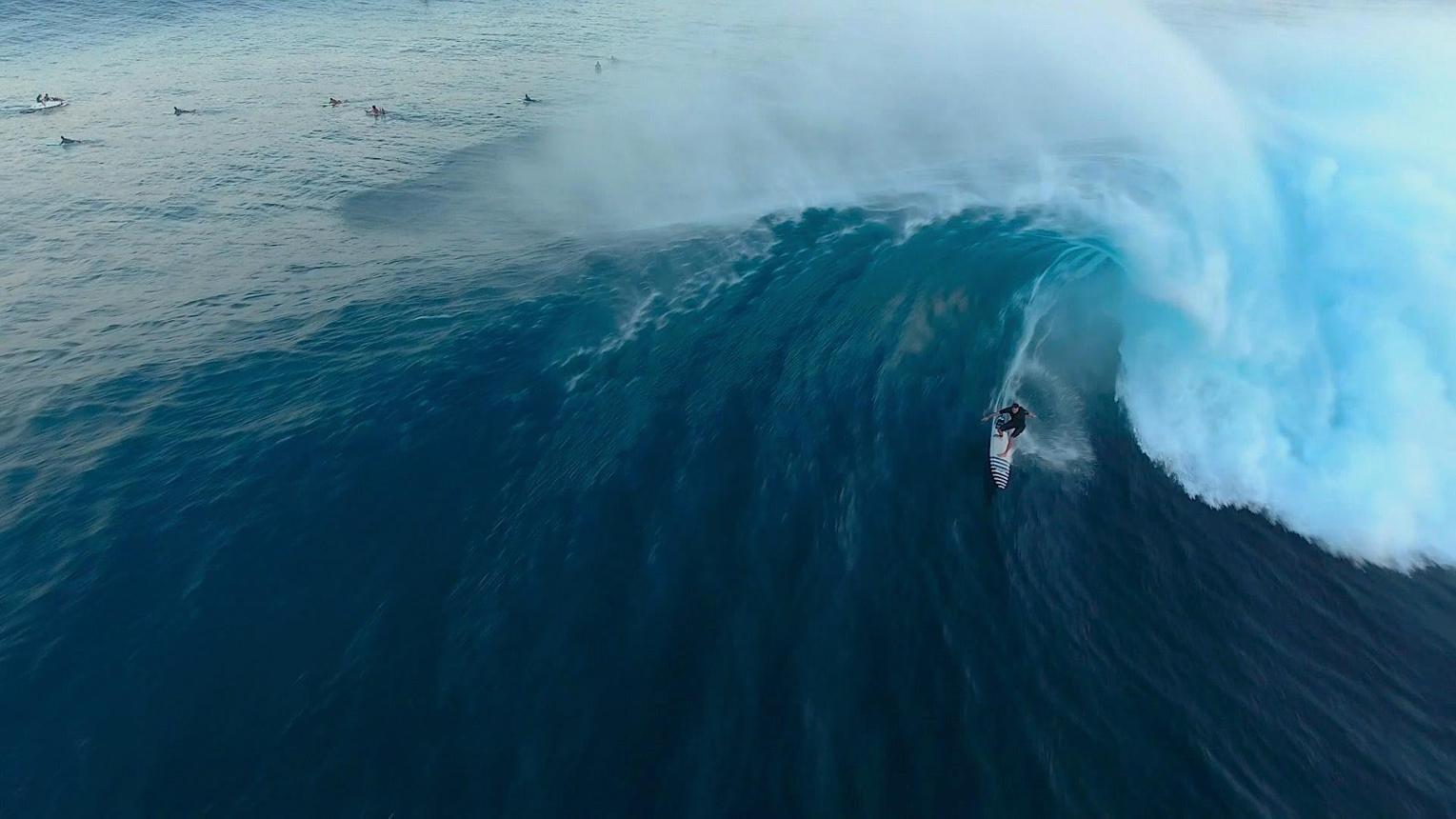
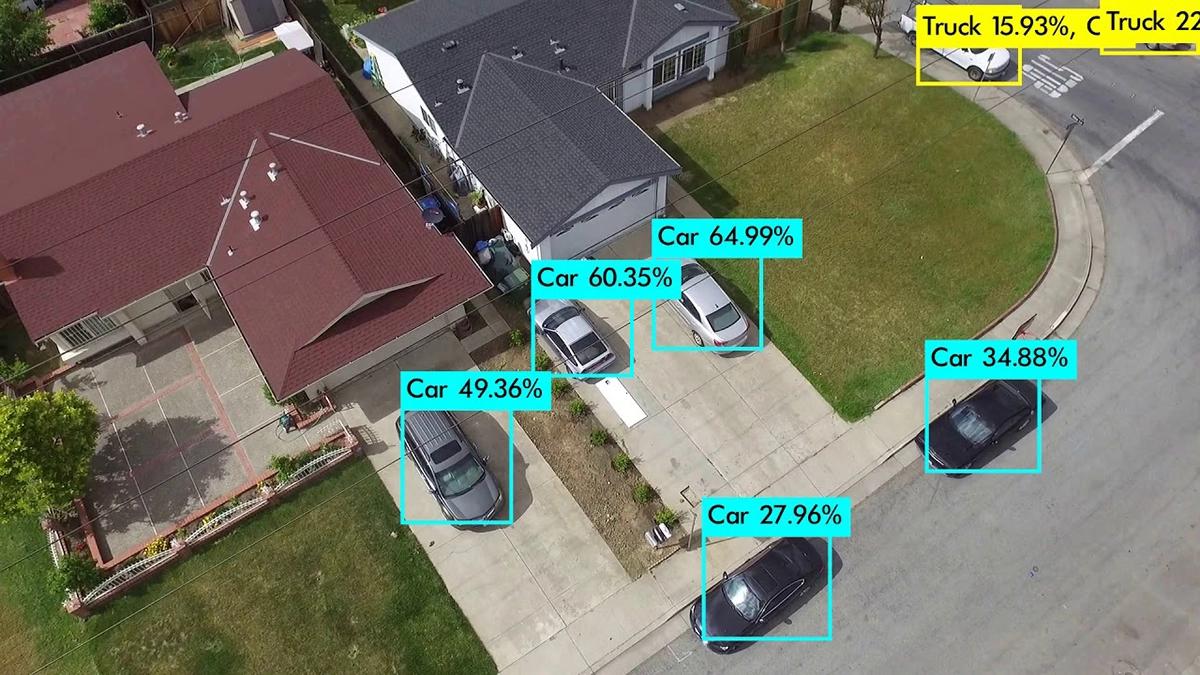
Tracking shots create motion and cinematic energy, but they require anticipation and smooth control.
Match Speed Gradually
When tracking a subject:
- Accelerate gently
- Avoid sudden speed changes
- Maintain stable framing
The best tracking footage feels fluid rather than aggressive.
Watch for Obstacles Ahead
Tracking subjects creates tunnel vision.
Pilots sometimes become so focused on the moving target that they forget to monitor:
- Trees
- Wires
- Terrain
- Signal strength
Always scan the entire environment, not just the subject.
Learning Cinematic Movement
Drone video becomes dramatically more professional when pilots master cinematic motion.
Slow Is Usually Better
One of the biggest beginner mistakes in drone videography is flying too fast.
Fast movement:
- Looks chaotic
- Feels amateurish
- Makes footage harder to watch
Professional drone footage is usually:
- Slow
- Controlled
- Intentional
Combining Movements Smoothly
Advanced pilots often combine:
- Forward movement
- Rotation
- Altitude changes
- Camera tilt
at the same time.
This creates dynamic cinematic shots that feel natural and immersive.
Learning coordinated movement takes practice, but it is one of the most satisfying drone skills.
Battery Management for Experienced Flying
As flights become more ambitious, battery management becomes increasingly important.
Never Push Batteries Too Far
Low battery situations create poor decision-making and stress.
Experienced pilots usually:
- Land early
- Maintain reserve power
- Avoid “one more shot” decisions
Many drone losses occur because pilots continue flying after safe battery limits.
Temperature Matters
Cold weather significantly reduces battery performance.
In cold conditions:
- Flight times decrease
- Voltage drops faster
- Power output weakens
Pilots in cold climates often:
- Warm batteries before flight
- Avoid aggressive maneuvers
- Monitor voltage carefully
Signal Awareness
Drone signal quality changes constantly during flight.
Buildings, terrain, and interference may weaken communication between:
- Drone
- Controller
- Video system
Common Signal Mistakes
Pilots sometimes:
- Fly behind hills
- Pass behind buildings
- Descend below tree lines
- Ignore weak signal warnings
Maintaining direct signal paths improves both safety and reliability.
Emergency Situations
Every pilot eventually encounters unexpected problems.
The difference between a close call and a crash often depends on staying calm.
Signal Loss
If signal weakens:
- Stop moving aggressively
- Gain altitude if safe
- Reorient antennas
- Prepare for return-to-home activation
Panic usually makes signal problems worse.
Sudden Wind Gusts
Strong gusts can:
- Push drones sideways
- Tilt aircraft aggressively
- Increase battery drain
Respond by:
- Remaining calm
- Slowing movements
- Returning early if necessary
Birds and Wildlife
Birds sometimes investigate or attack drones.
Territorial birds especially may see drones as threats.
If birds approach aggressively:
- Gain altitude carefully if appropriate
- Leave the area smoothly
- Avoid sudden erratic maneuvers
Wildlife should always take priority over obtaining footage.
Knowing When Not to Fly
One sign of an experienced pilot is recognizing unsafe conditions before takeoff.
Sometimes the best decision is simply:
- Waiting for calmer weather
- Choosing another location
- Flying another day
Good judgment prevents accidents.
Reviewing Your Flights
One of the fastest ways to improve is reviewing footage after flying.
Watch your flights critically:
- Were movements smooth?
- Did turns feel natural?
- Were there unnecessary corrections?
- Did framing stay stable?
Self-analysis accelerates improvement dramatically.
Building Muscle Memory
The best drone pilots no longer think consciously about basic controls.
Their hands respond automatically.
This happens through repetition.
Short, consistent practice sessions build:
- Precision
- Confidence
- Reflexes
- Situational awareness
Eventually, flying begins to feel intuitive.
Respecting Your Limits
Social media often encourages risky flying.
Online videos may show:
- Dangerous dives
- Urban proximity flying
- Aggressive stunts
- Reckless behavior
Remember:
Professional-looking footage does not always reflect safe or legal flying.
Skilled pilots expand their abilities gradually and responsibly.
Confidence Without Overconfidence
As skills improve, confidence naturally grows.
That is good.
But overconfidence creates many crashes.
Pilots often become most vulnerable after enough success that they stop respecting risk.
Experienced pilots remain humble because they understand:
- Technology can fail
- Weather changes rapidly
- Mistakes happen
Confidence should increase awareness, not reduce it.
Becoming Part of the Environment
The best drone pilots develop environmental awareness almost instinctively.
They notice:
- Wind shifts
- Lighting changes
- Bird activity
- Terrain effects
- Signal quality
- Human activity
Flying becomes less about controlling a machine and more about interacting smoothly with the environment around them.
Every Flight Teaches Something
No pilot ever completely “masters” flying.
Even highly experienced operators continue learning:
- New techniques
- Better habits
- Safer procedures
- More creative movements
That ongoing learning process is part of what makes drones so rewarding.
Each flight teaches:
- Precision
- Patience
- Awareness
- Creativity
And with every battery session, you become not only a better pilot, but a more confident one.
In the next chapter, we will enter one of the most exciting areas of the hobby: FPV flying and drone racing — where speed, immersion, and adrenaline take drone piloting to an entirely different level.