From The Hobby Drone Handbook by Stan Gold · Hobbies
Chapter 4 — Drone Laws and Safety
Published
Freedom Comes with Responsibility
Flying a drone is exciting because it creates a rare feeling of freedom.
Within seconds, a small aircraft can climb hundreds of feet into the sky, glide across landscapes, and capture perspectives that once required helicopters or airplanes. Modern drones give ordinary people access to a world that previously belonged mostly to pilots and filmmakers.
But with that freedom comes responsibility. A drone is not just a gadget. It is an aircraft.
Even small hobby drones can:
- Injure people
- Damage property
- Distract pilots
- Invade privacy
- Create dangerous situations near airports or emergency operations
As drones became more popular, governments around the world introduced regulations to keep airspace safe and reduce reckless flying. Responsible drone pilots understand an important truth: Safe flying protects both people and the future of the hobby itself. Every careless flight risks stricter regulations for everyone.
This chapter explains the essential safety principles and legal responsibilities every hobby drone pilot should understand.
Why Drone Laws Exist
Some new drone owners see regulations as annoying restrictions.
In reality, most drone laws exist because aircraft share airspace with:
- Airplanes
- Helicopters
- Emergency responders
- Military operations
- Other drones
A collision between even a small drone and a manned aircraft could be extremely dangerous.
In addition, drones introduced new concerns involving:
- Privacy
- Wildlife disturbance
- Crowded public spaces
- Stadium events
- Sensitive infrastructure
Governments responded by creating rules designed to balance:
- Safety
- Innovation
- Recreational freedom
Understanding these rules is now part of being a responsible pilot.
Recreational vs Commercial Flying
One of the first distinctions many countries make is between:
- Recreational flying
- Commercial flying
Recreational Flying
Recreational pilots fly:
- For fun
- Personal enjoyment
- Non-commercial purposes
Examples:
- Casual photography
- Travel videos
- Learning to fly
- Racing with friends
Commercial Flying
Commercial flying involves using drones for business purposes or financial gain.
Examples:
- Real estate photography
- Paid YouTube content
- Construction inspections
- Surveying
- Wedding videography
Commercial operations often require:
- Additional licensing
- Certification
- Insurance
- Operational limitations
In the United States, commercial drone pilots typically require certification through the Federal Aviation Administration Part 107 program.
Drone Registration
Many countries require drone registration above certain weight limits. In the United States, drones above specific weight thresholds generally must be registered with the Federal Aviation Administration.
Registration helps:
- Identify aircraft owners
- Promote accountability
- Improve safety enforcement
Registered drones usually must display:
- Registration numbers
- Identification labels
The registration process is typically inexpensive and straightforward.
Understanding Airspace
One of the most important concepts in drone safety is airspace awareness.
The sky is not an unrestricted environment.
Certain areas have stricter rules because of nearby aircraft activity.
Airports and Controlled Airspace
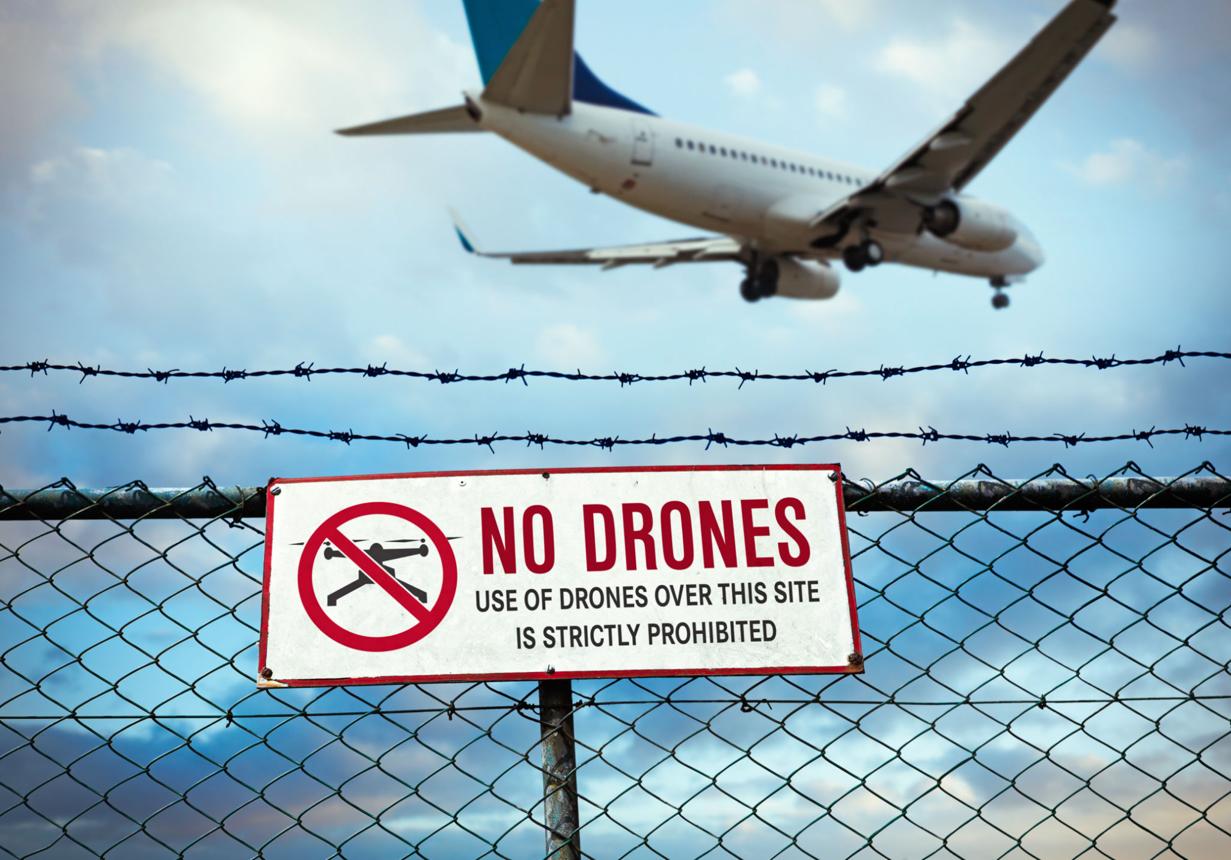
Flying near airports can be extremely dangerous.
Manned aircraft:
- May fly at low altitude
- Travel at high speed
- Have limited ability to avoid small drones
As a result, drones are often restricted near:
- Airports
- Heliports
- Military bases
Pilots should always check airspace restrictions before flying.
|
|
|
Many drone apps automatically warn users about restricted areas using built-in maps and geofencing systems.
Temporary Flight Restrictions
Some airspace restrictions are temporary.
Restrictions may appear during:
- Wildfires
- Natural disasters
- Major sporting events
- Presidential visits
- Emergency operations
Flying near emergency aircraft can interfere with life-saving operations and may lead to severe penalties.
Never fly near:
- Firefighting aircraft
- Rescue helicopters
- Disaster response operations
Altitude Limits
Many countries impose altitude limits for recreational drones.
A common limit is approximately:
- 400 feet (120 meters) above ground level
This separation helps reduce conflicts with manned aircraft, which typically operate at higher altitudes.
Even when flying legally below altitude limits, pilots should remain aware of nearby aircraft at all times.
Visual Line of Sight
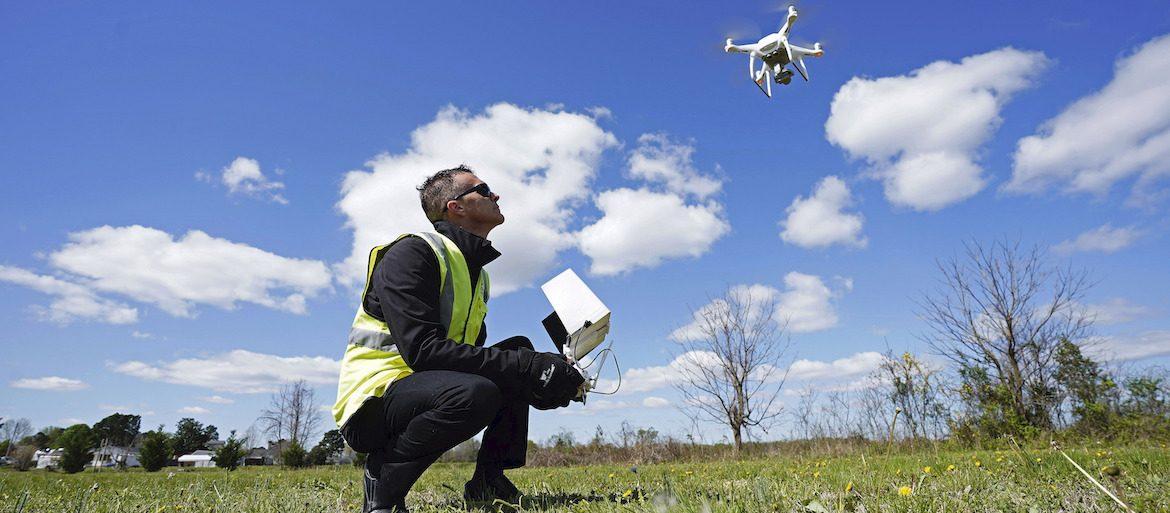
In many regions, pilots are required to maintain visual line of sight with their drones.
This means:
- You should be able to see the aircraft directly
- You should not rely only on camera views or goggles
Visual observation helps pilots:
- Detect hazards
- Avoid collisions
- Maintain orientation
FPV pilots often use spotters to help maintain awareness of surrounding airspace.
Remote ID
One of the newest developments in drone regulation is Remote ID.
Remote ID is often described as a “digital license plate” for drones.
It allows certain information to be broadcast electronically, such as:
- Drone identification
- Location
- Altitude
- Operator location
Governments introduced Remote ID to improve:
- Accountability
- Airspace monitoring
- Safety enforcement
Some older drones may require external Remote ID modules to comply with regulations.
As drone technology evolves, Remote ID is becoming increasingly common worldwide.
Privacy and Respect
Not every drone issue involves aviation safety.
Privacy concerns are one of the biggest reasons some people dislike drones.
Many individuals feel uncomfortable when:
- Drones hover near homes
- Cameras appear intrusive
- Pilots fly too close to people
Responsible pilots avoid creating unnecessary tension.
Good Privacy Practices
Always:
- Respect personal space
- Avoid hovering near private property
- Avoid recording people without permission in sensitive situations
- Leave immediately if someone feels uncomfortable
Even when flying legally, considerate behavior matters.
A respectful pilot helps improve public perception of the hobby.
Flying Near People
Crowded environments create additional risks.
A drone failure above people could cause:
- Injury
- Panic
- Property damage
Avoid flying directly over:
- Crowds
- Beaches packed with people
- Concerts
- Sporting events
- Busy roads
Even lightweight drones can become dangerous if motors fail or batteries disconnect.
Weather Awareness
Weather is one of the most underestimated safety factors in drone flying.
Conditions that seem mild from the ground may become dangerous at altitude.
Wind
Wind is the biggest weather challenge for most drone pilots.
Strong wind can:
- Reduce stability
- Drain batteries faster
- Push drones off course
- Prevent safe return flights
Small drones are especially vulnerable.
Always check:
- Wind speed
- Gust conditions
- Weather forecasts
before flying.
Rain and Moisture
Most consumer drones are not waterproof.
Water exposure can damage:
- Motors
- Electronics
- Batteries
- Cameras
Avoid flying in:
- Rain
- Heavy fog
- Snow
- Wet coastal mist
Moisture and electronics rarely mix well.
Sunlight and Visibility
Pilots should avoid situations where:
- The drone becomes difficult to see
- Sun glare affects orientation
- Darkness limits awareness
Losing orientation is one of the most common causes of beginner crashes.
Pre-Flight Safety Checks
Experienced pilots develop consistent pre-flight routines.
A short safety check before takeoff can prevent major problems.
Basic Pre-Flight Checklist
Before every flight:
- Check battery levels
- Inspect propellers for damage
- Verify GPS signal
- Confirm home point location
- Check airspace restrictions
- Monitor weather conditions
- Ensure firmware is functioning properly
- Confirm return-to-home settings
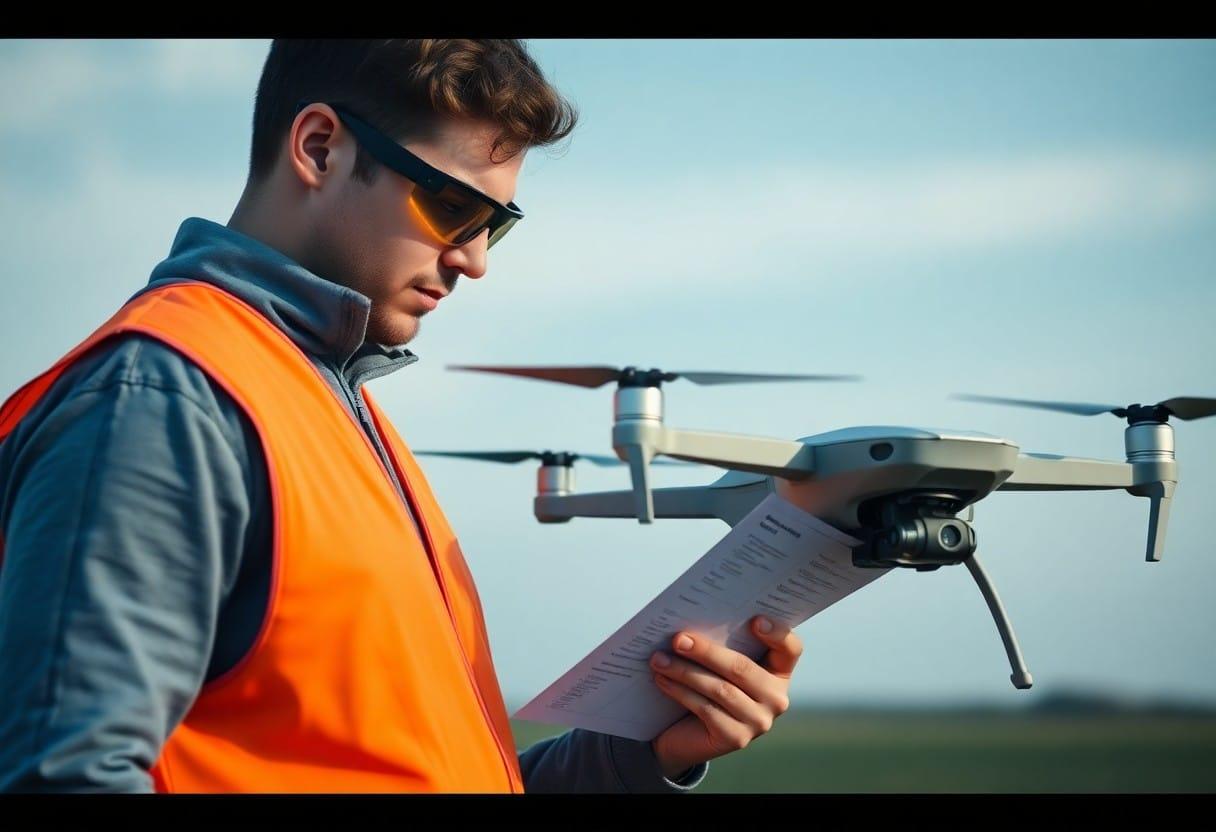
Professional pilots often use written checklists even after years of experience.
Battery Safety in the Field
Battery problems are one of the most common causes of drone failures.
Always:
- Transport batteries safely
- Avoid overheating
- Allow batteries to cool after flights
- Store partially charged for long-term storage
- Inspect for swelling or damage
Damaged LiPo batteries should never be used.
What to Do During Emergencies
Even advanced drones can fail unexpectedly.
Pilots should prepare mentally for emergencies before takeoff.
Possible problems include:
- Signal loss
- Compass errors
- Sudden wind
- Bird attacks
- Battery failure
- GPS malfunction
Good pilots stay calm and make deliberate decisions.
Panic causes more crashes than technical failures.
Wildlife and Environmental Awareness
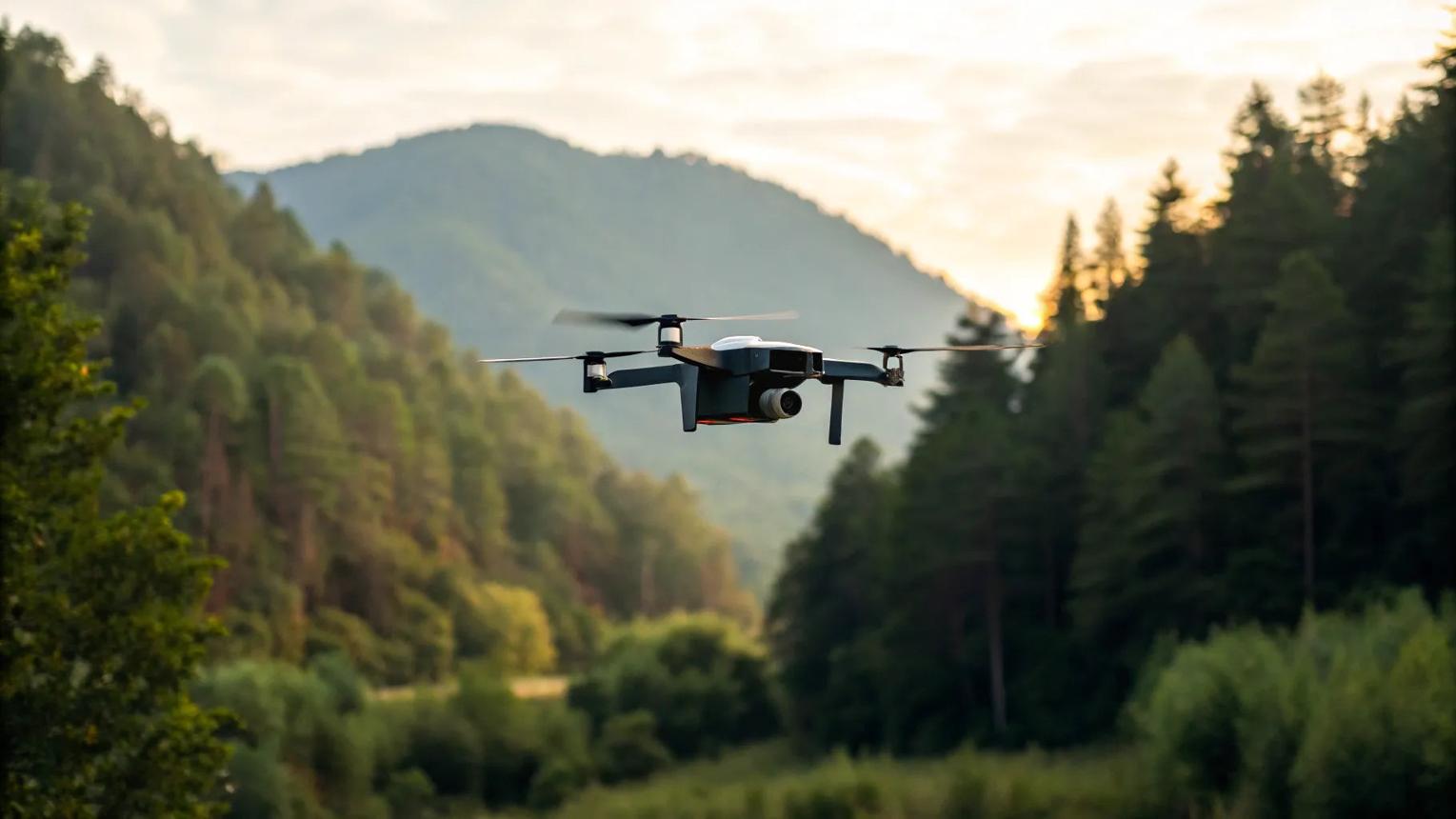
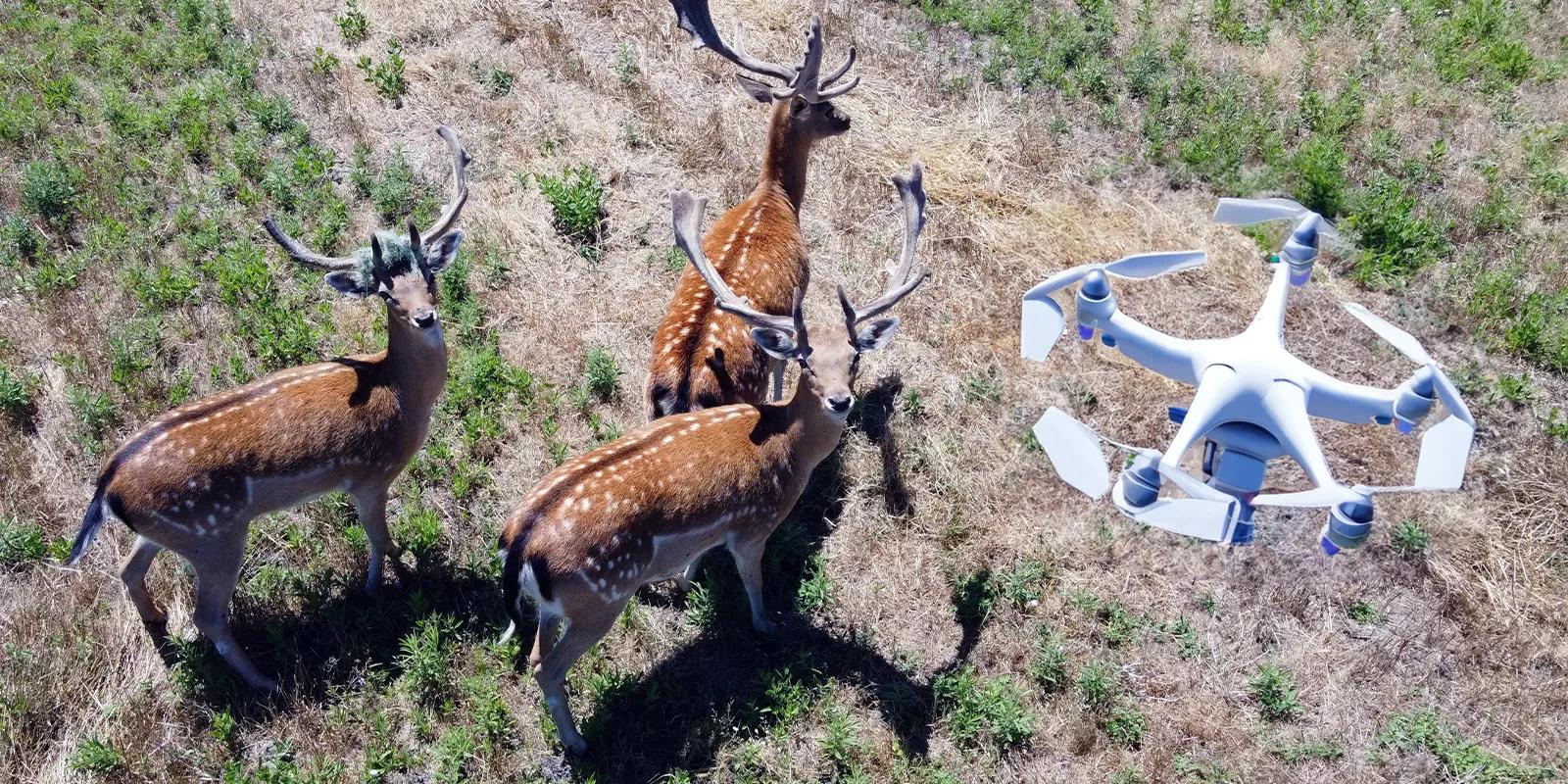
Drones can disturb wildlife if flown irresponsibly.
Animals may perceive drones as threats.
Avoid flying near:
- Nesting birds
- Marine mammals
- Protected habitats
- National park wildlife areas
|
|
|
Some birds — especially hawks and territorial species — may aggressively approach drones.
If wildlife appears stressed or defensive:
- Gain altitude carefully
- Leave the area immediately
Responsible flying includes protecting natural environments.