From The Hobby Drone Handbook by Stan Gold · Hobbies
Chapter 8 — Drone Photography Basics
Published
Seeing the World From Above
Flying a drone is exciting.
But for many pilots, photography is what transforms drone flying from a simple hobby into a creative passion.
The first time you capture a beautiful aerial image, something changes. Familiar places suddenly look unfamiliar. Roads become patterns. Waves become textures. Forests become abstract artwork. Light and shadow reveal details that are impossible to see from the ground.
Drone photography allows ordinary people to create images that once required:
- Helicopters
- Airplanes
- Expensive equipment
- Professional crews
Today, a small backpack-sized drone can capture breathtaking perspectives almost anywhere in the world.
But owning a camera drone does not automatically create great photography.
Good aerial images depend on:
- Composition
- Lighting
- Timing
- Flight control
- Creativity
- Patience
This chapter explores the foundations of drone photography and how to begin capturing images that are not only technically sharp, but visually compelling.
Why Aerial Photography Feels Different
Drone photography is unique because it changes perspective completely.
From the ground, people see the world horizontally.
Drones introduce:
- Height
- Geometry
- Scale
- Symmetry
- Motion
- Isolation
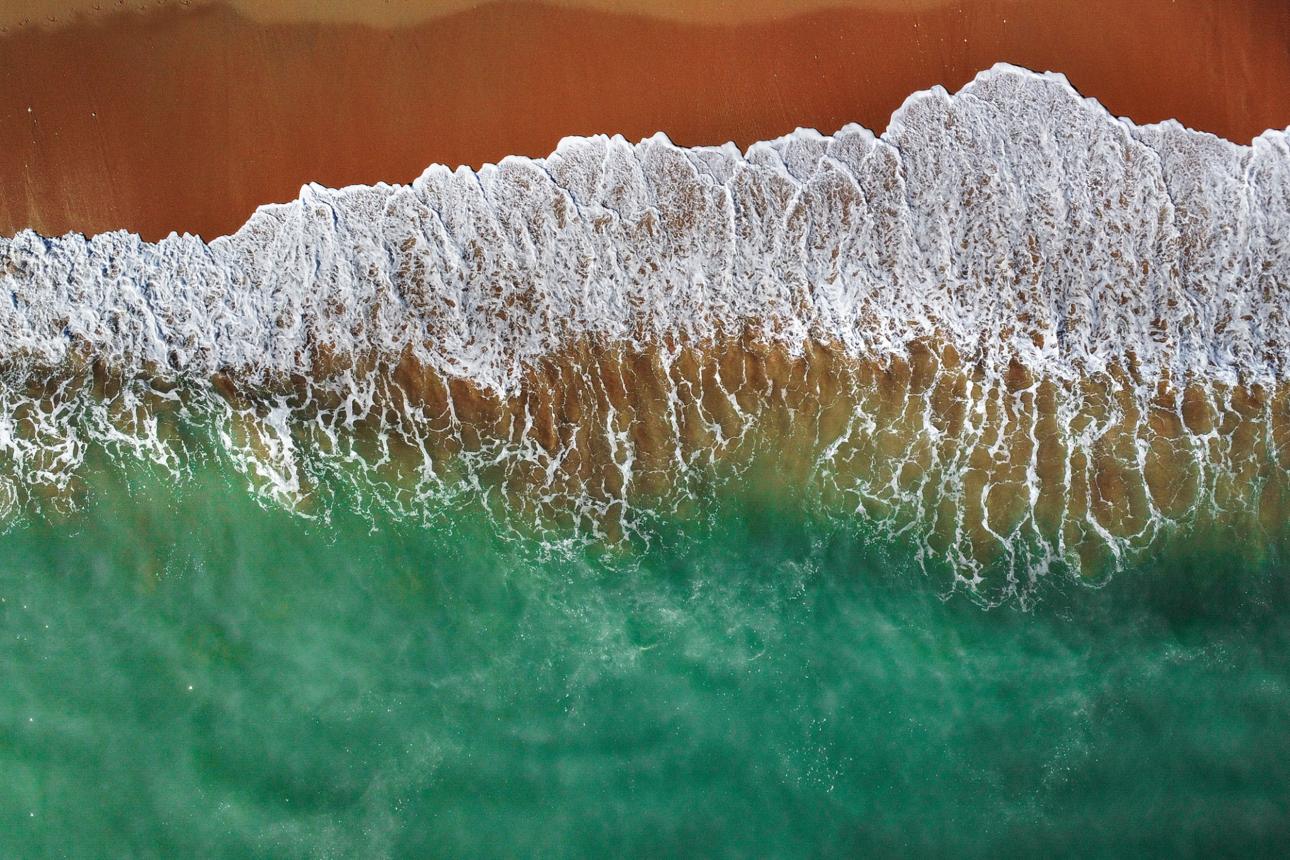
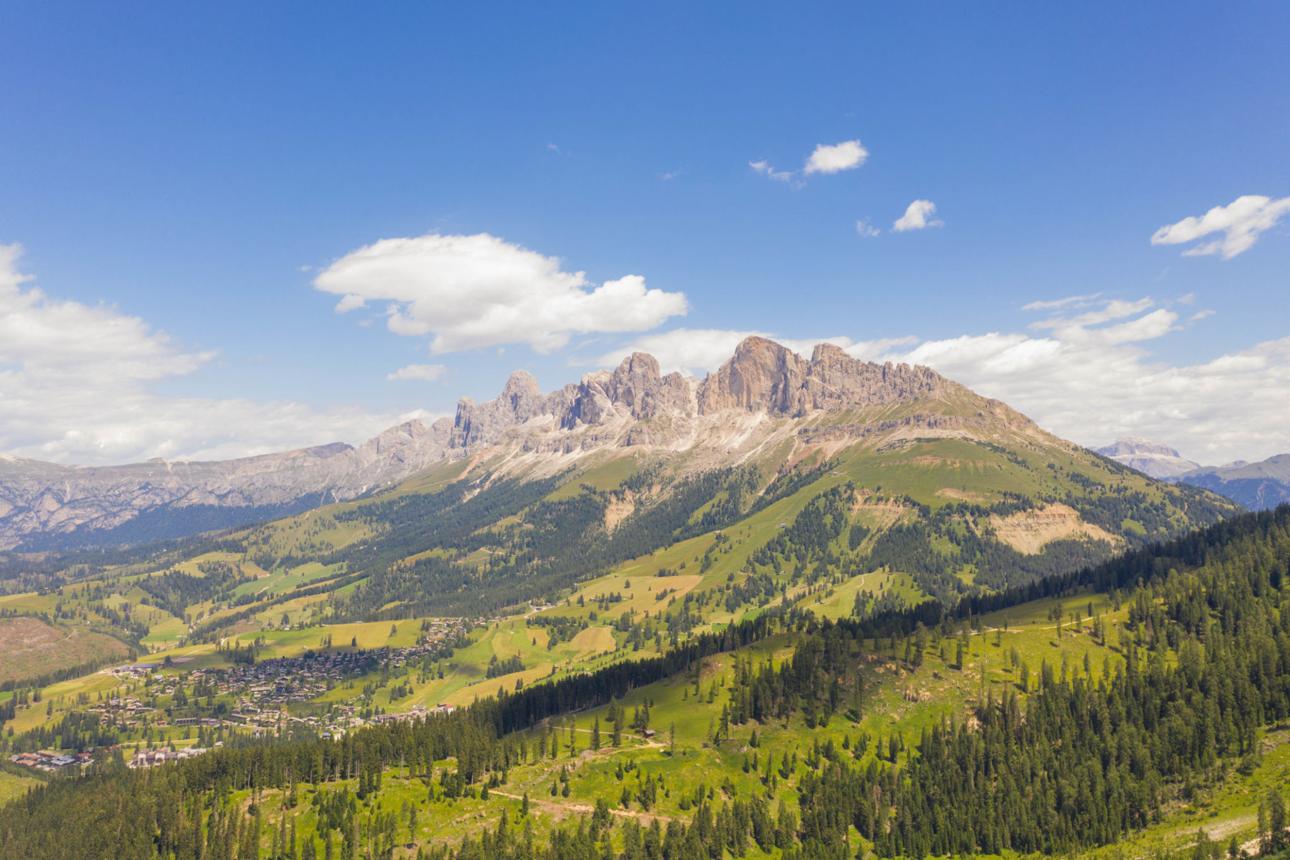
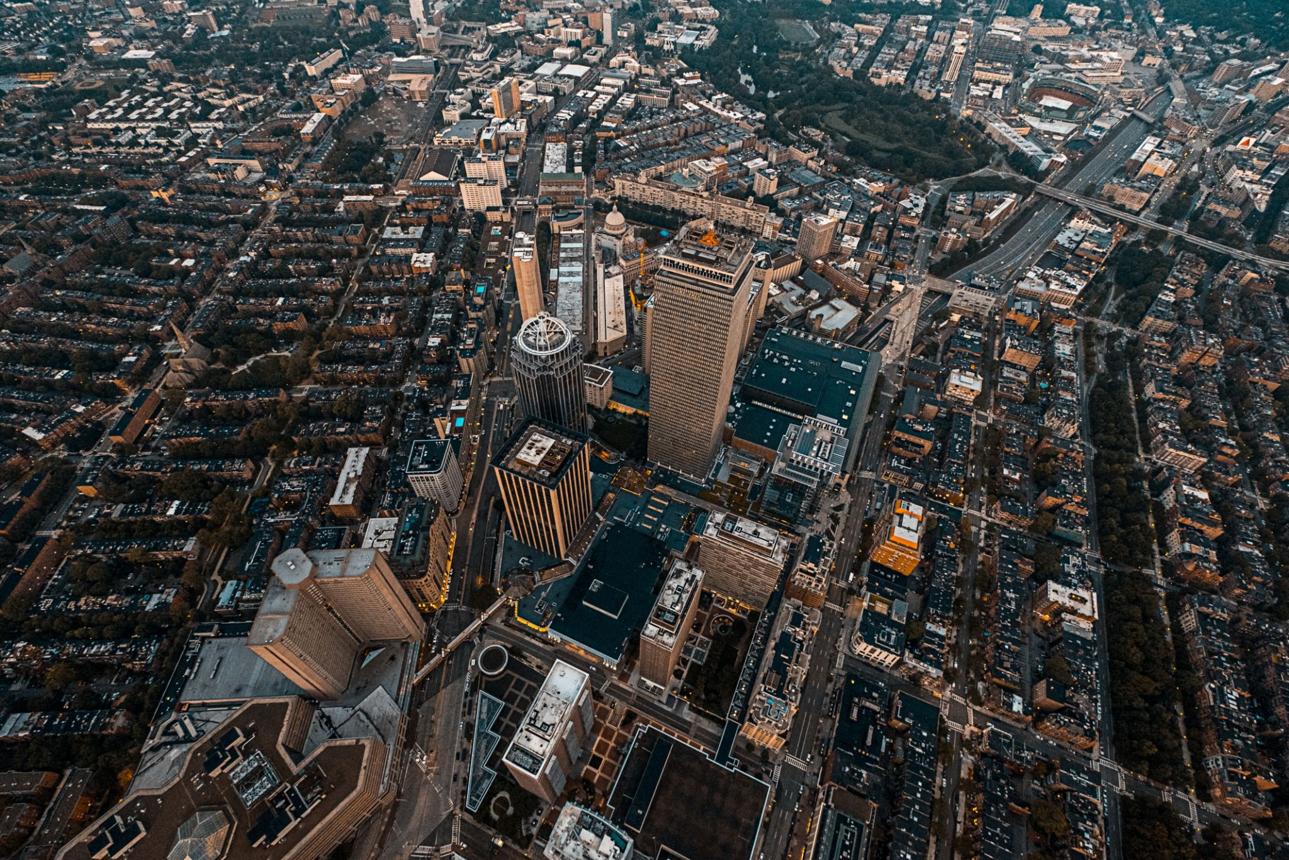
Even ordinary locations can become visually interesting from above.
A parking lot may reveal:
- Symmetry
- Patterns
- Shadows
A river may become:
- Flowing abstract art
- A leading line through the landscape
Aerial photography trains you to look for shapes, contrast, and composition in entirely new ways.
The Camera Is Only Part of the Image
Many beginners assume better equipment automatically creates better photographs.
In reality:
- Vision matters more than megapixels
- Composition matters more than price
- Light matters more than specifications
Expensive drones cannot compensate for poor framing or bad lighting.
Some of the most memorable drone photos are created using:
- Simple compositions
- Interesting light
- Strong timing
Photography is ultimately about seeing, not merely recording.
Understanding Composition
Composition refers to how elements are arranged within the frame.
Strong composition guides the viewer’s eye and creates visual balance.
The Rule of Thirds
One of the most useful beginner composition techniques is the Rule of Thirds.
Imagine dividing the frame into:
- Three horizontal sections
- Three vertical sections
Important subjects are often placed:
- Along these lines
- At their intersections
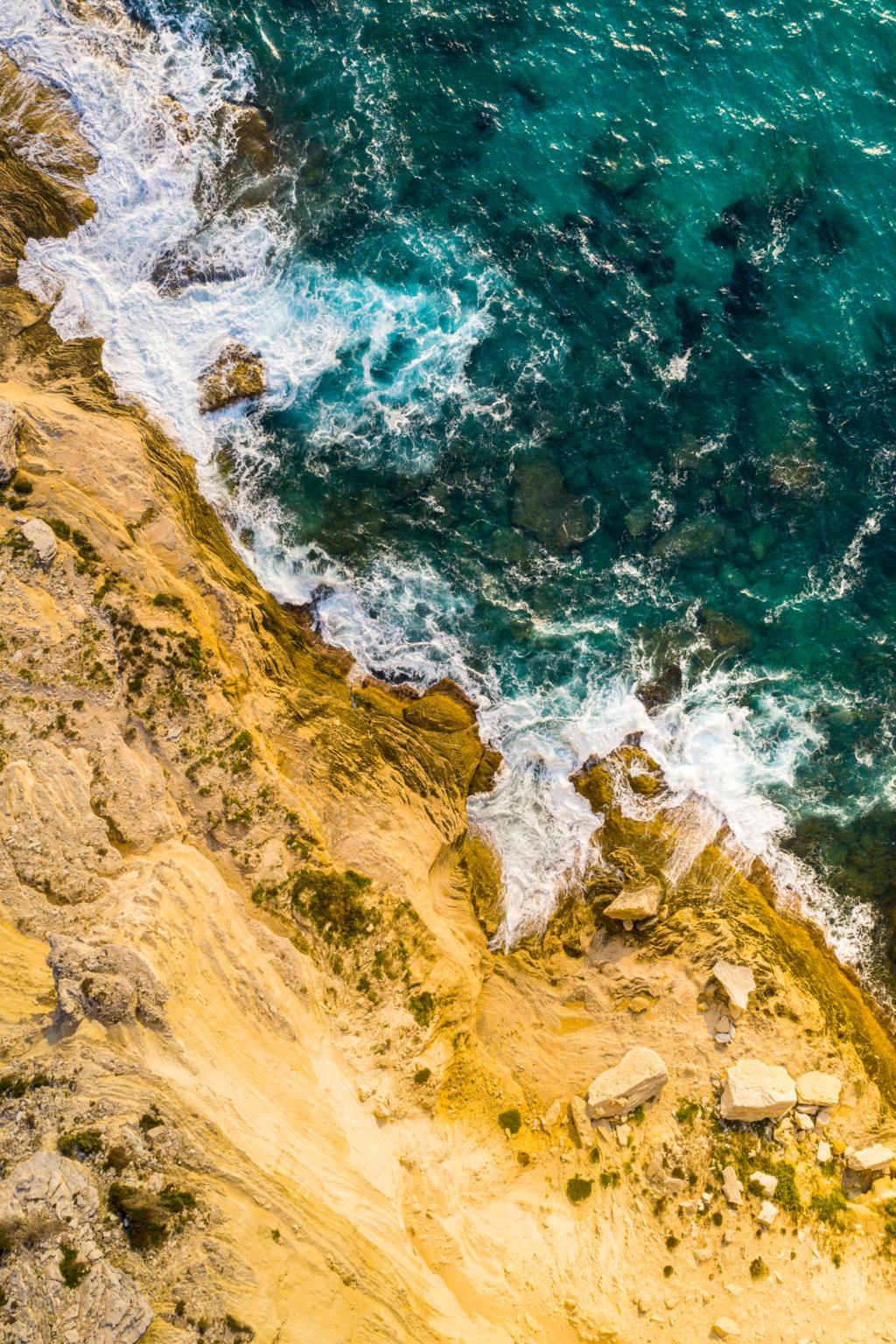
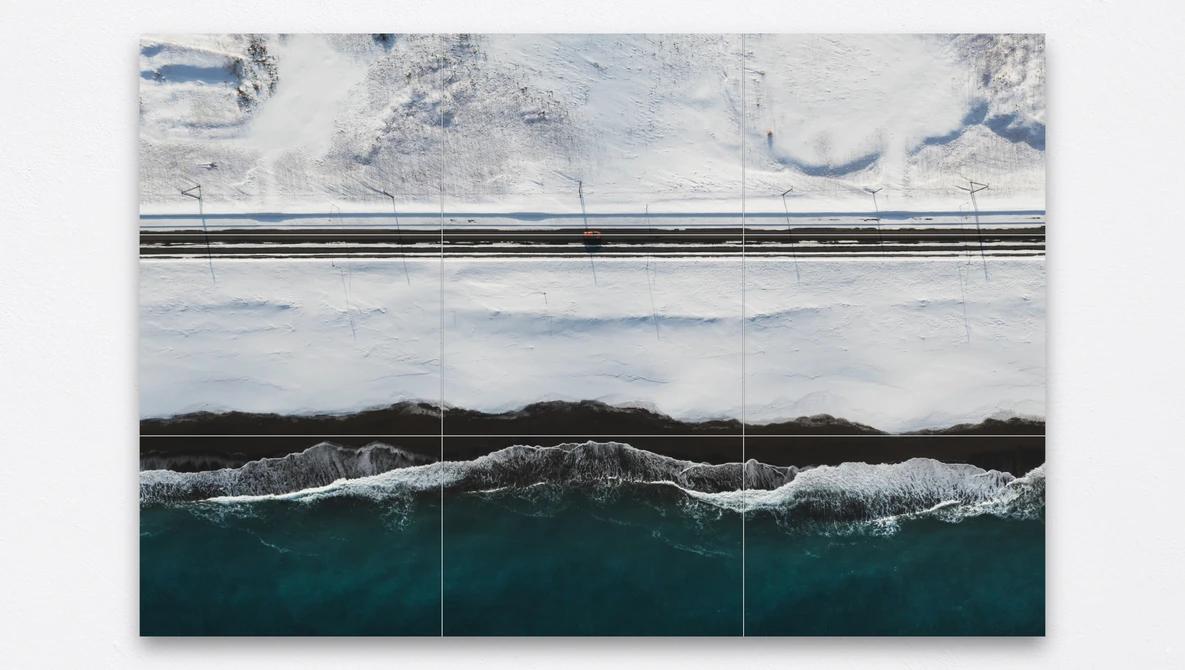
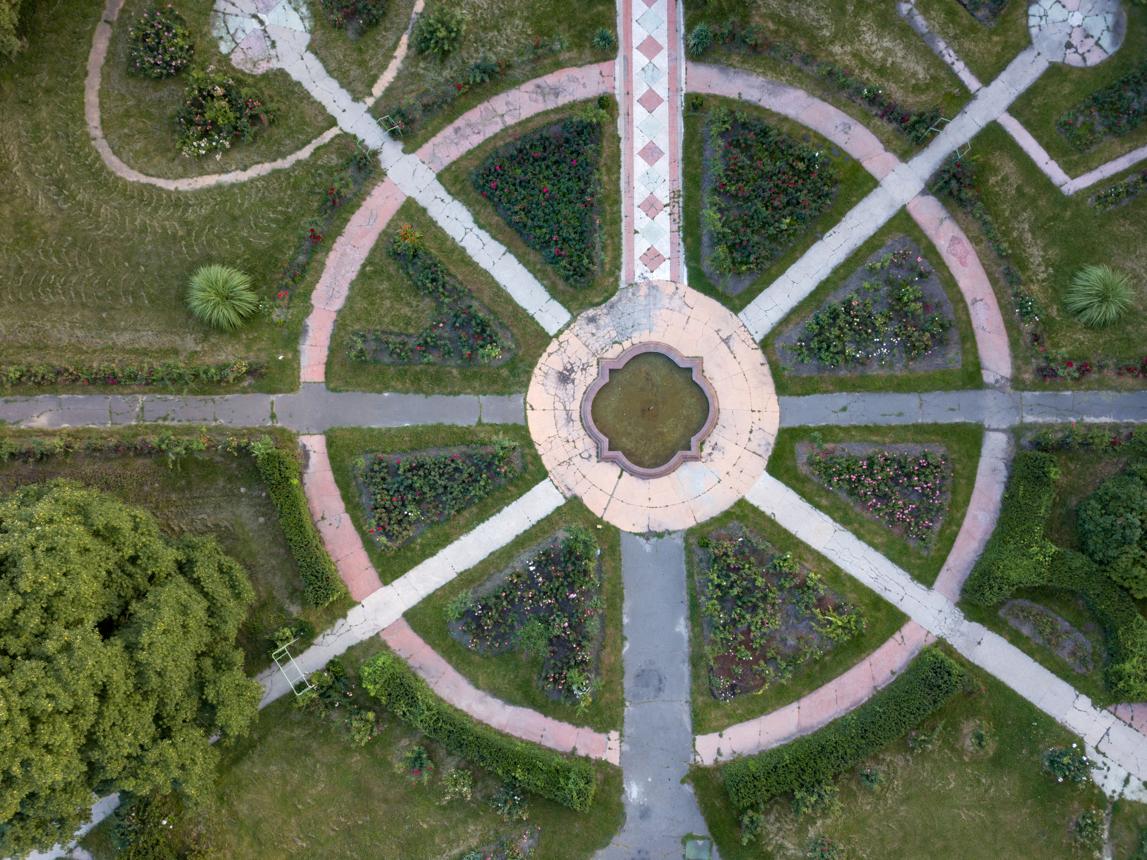
This creates more dynamic and balanced images than simply centering everything.
Most drones can display grid overlays to help with composition while flying.
Leading Lines
Leading lines naturally guide the viewer’s attention through an image.
Excellent aerial leading lines include:
- Roads
- Rivers
- Shorelines
- Bridges
- Trails
- Crop rows
Drone photography is especially powerful because elevated perspectives reveal lines and patterns hidden from ground level.
Symmetry and Patterns
Aerial photography often emphasizes:
- Repetition
- Symmetry
- Geometry
Look for:
- Buildings
- Parking lots
- Agricultural fields
- Waves
- Rooftops
- City grids
Top-down drone photography can transform ordinary environments into graphic art.
Subject Separation
Strong photos usually have a clear subject.
Avoid cluttered scenes where the viewer does not know what to focus on.
Good aerial subjects include:
- A lone person
- A boat
- A winding road
- A lighthouse
- A surfer
- A mountain ridge
Isolation often creates stronger visual impact.
Lighting Is Everything
Professional photographers often say:
“Photography is painting with light.”
This is especially true for drone photography.
The same location can look:
- Boring at noon
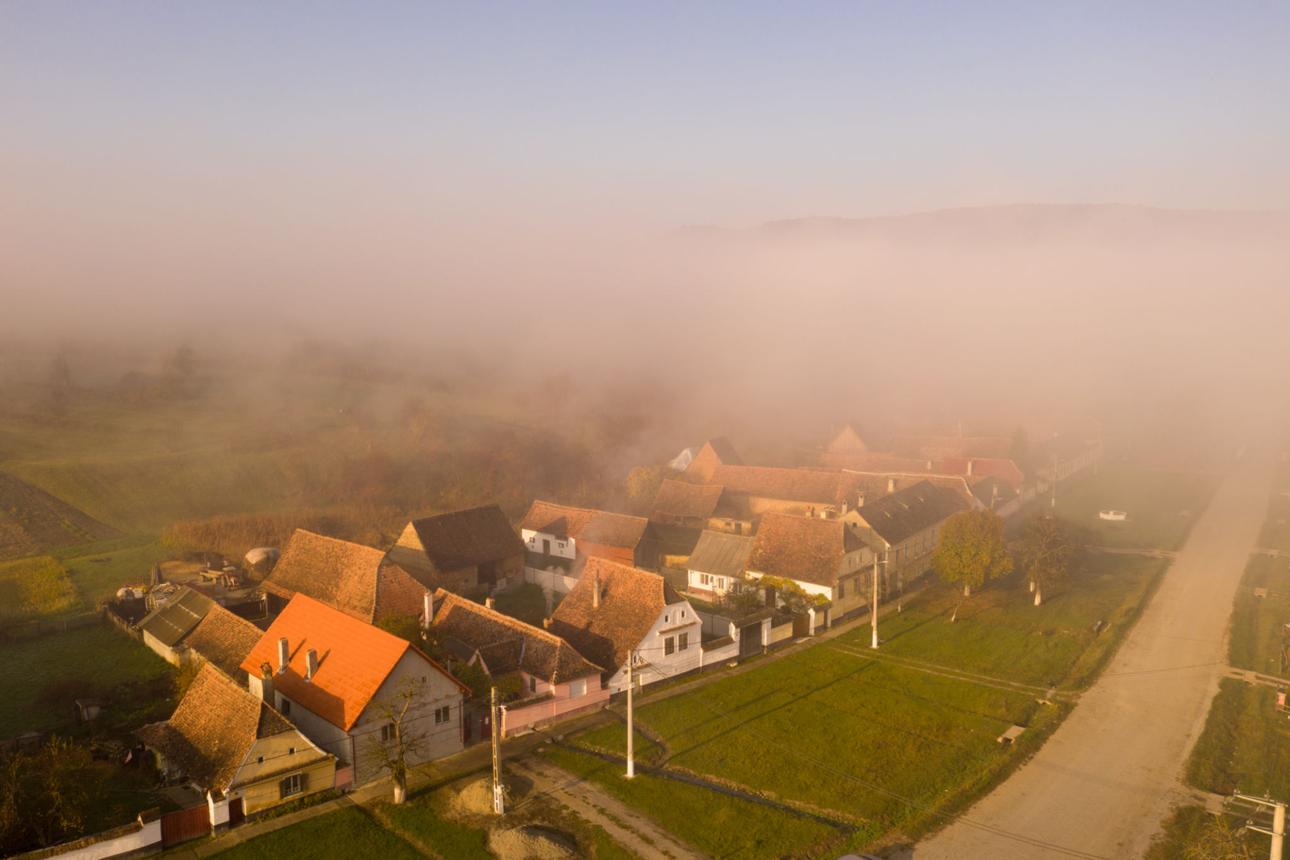
- Spectacular at sunrise
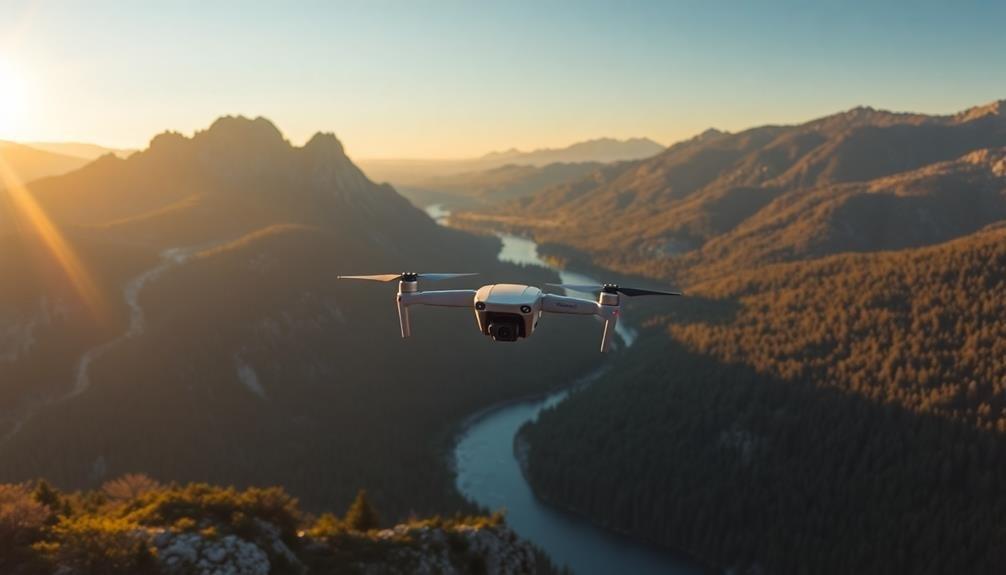
Golden Hour
The best lighting usually occurs during:
- Sunrise
- Sunset
These periods are called the golden hour.
Golden-hour lighting creates:
- Soft shadows
- Warm colors
- Better texture
- Dramatic contrast
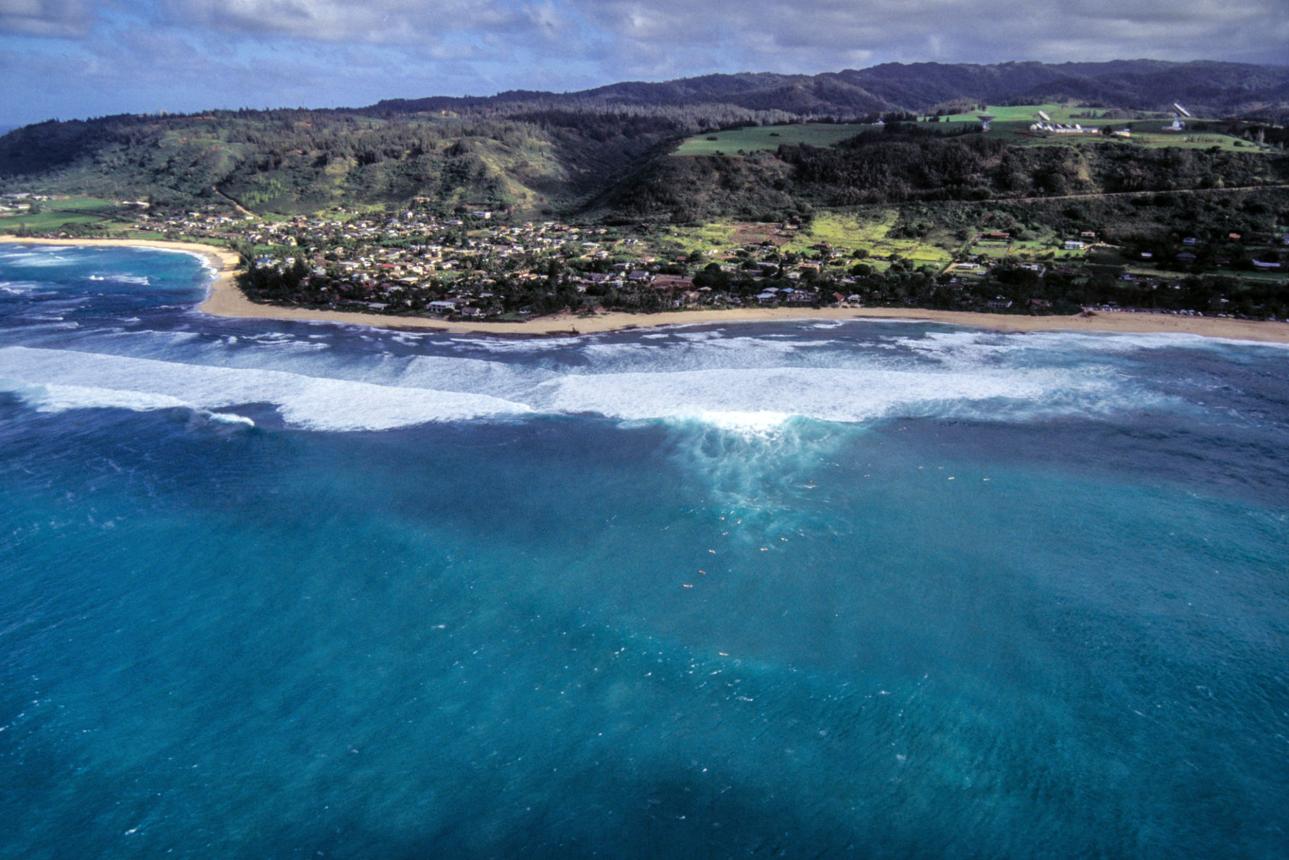
Midday sunlight often produces:
- Harsh shadows
- Flat colors
- Overexposed highlights
Many experienced drone photographers plan flights specifically around lighting conditions.
Weather Creates Mood
Some of the most dramatic drone images happen during unusual weather.
Interesting conditions include:
- Fog
- Storm clouds
- Snow
- Coastal mist
- Long shadows after rain
However, always prioritize safety over photography.
Never fly in dangerous weather simply for dramatic footage.
Understanding Camera Settings
Modern drones automate many camera functions, but learning basic settings improves results significantly.
ISO
ISO controls sensor sensitivity to light.
Lower ISO values usually produce:
- Cleaner images
- Less noise
- Better detail
Drone photographers generally try to keep ISO as low as possible.
Shutter Speed
Shutter speed controls how long the camera captures light.
Fast shutter speeds:
- Freeze movement
- Reduce blur
Slow shutter speeds:
- Create motion blur
- Require stability
For still photography, drones typically use relatively fast shutter speeds because aircraft movement can introduce blur.
Aperture
Some advanced drones allow aperture adjustment.
Aperture affects:
- Light entering the camera
- Depth of field
Smaller drone sensors naturally keep much of the scene in focus, which works well for landscapes.
RAW vs JPEG
Many drones can shoot in:
- JPEG
- RAW format
RAW files preserve much more image data and allow:
- Better editing
- Improved dynamic range
- Greater color flexibility
Serious photographers usually prefer RAW for important images.
Top-Down Photography
One of the most iconic drone photography styles is the straight-down aerial shot.
This perspective reveals:
- Geometry
- Texture
- Symmetry
- Scale
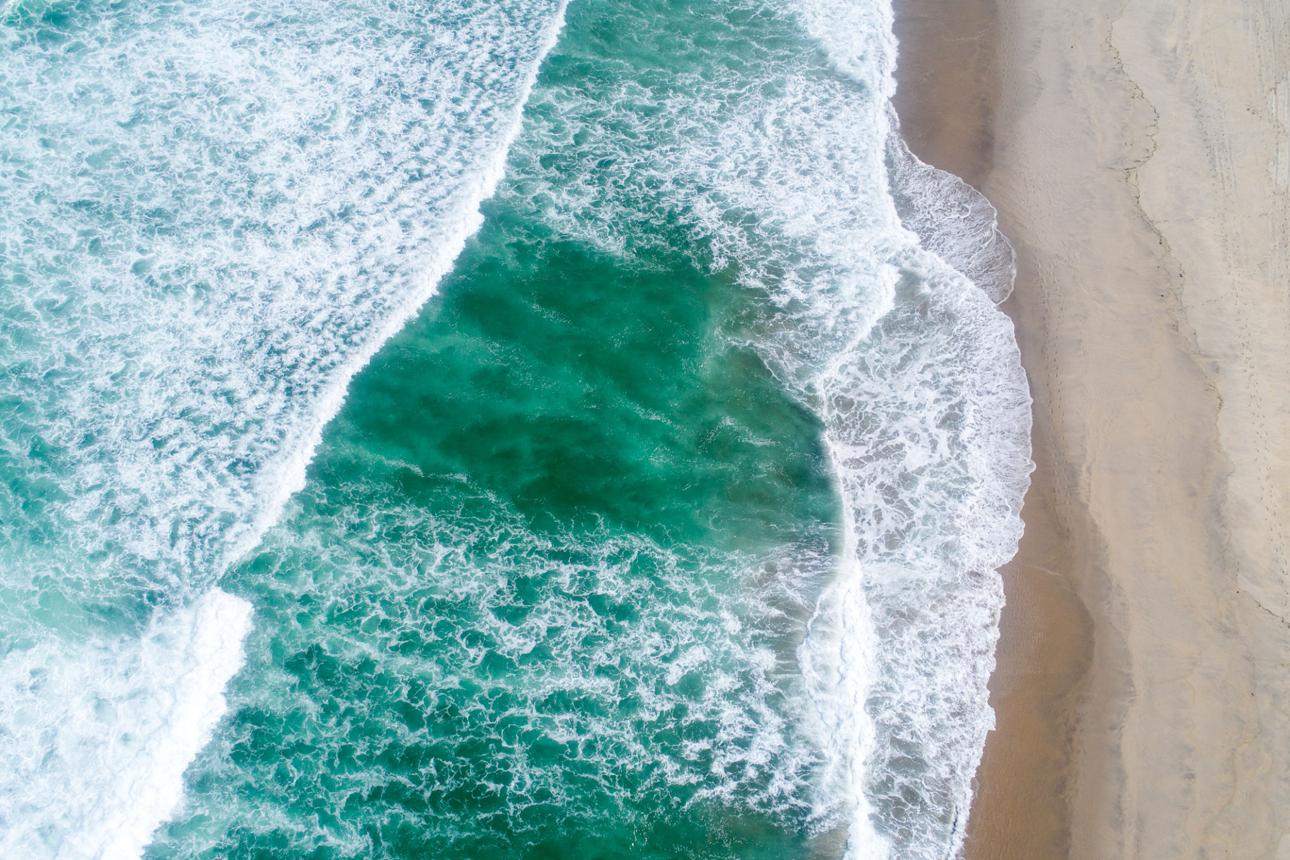
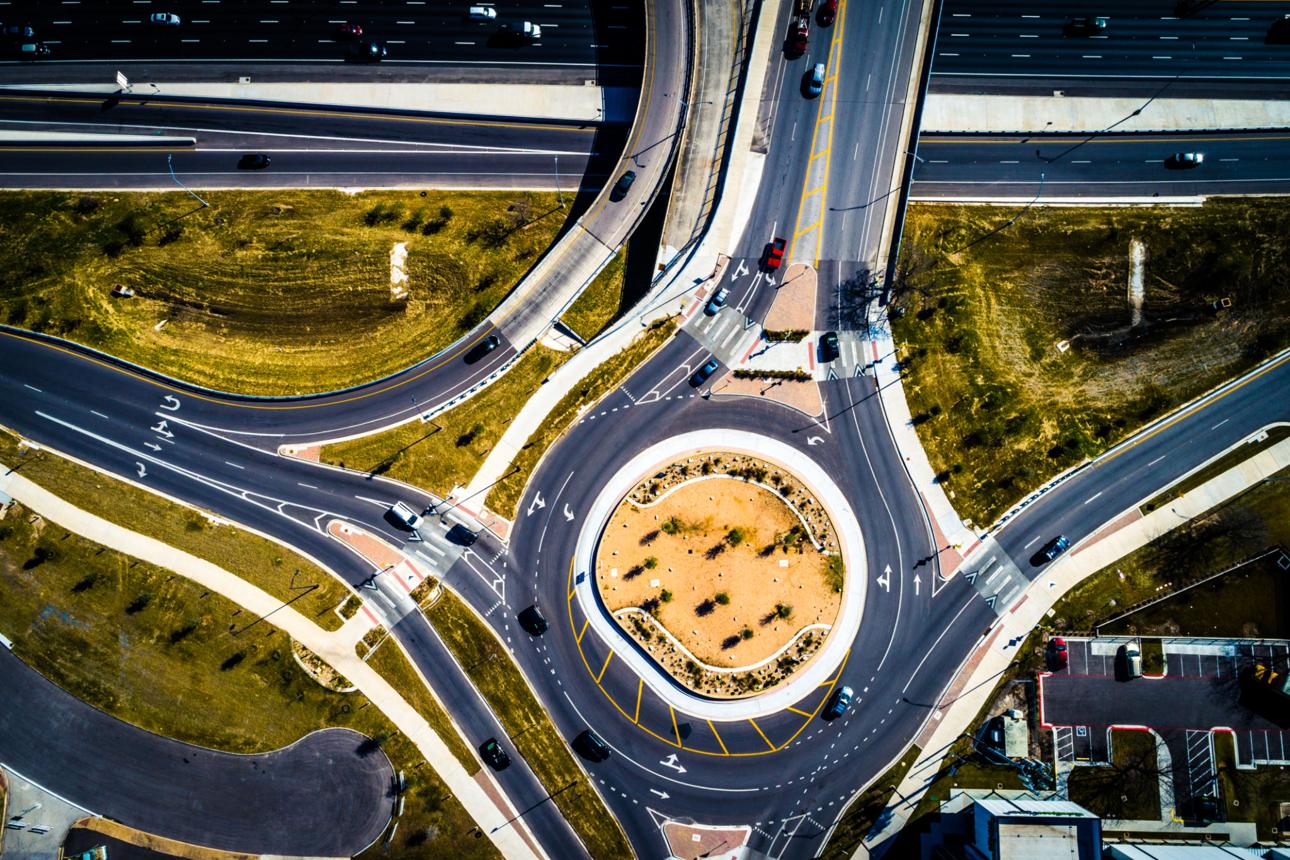
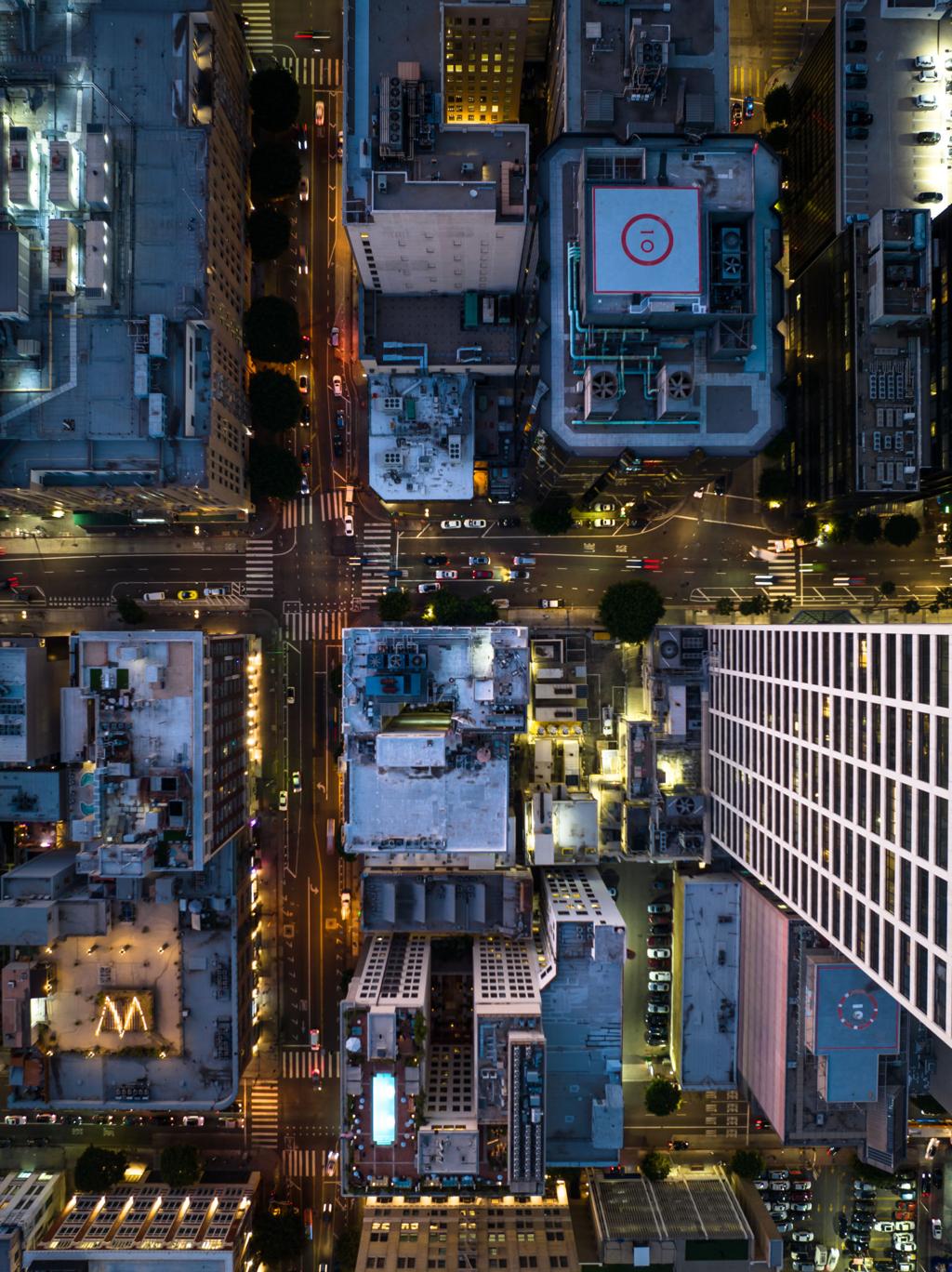
Popular top-down subjects include:
- Beaches
- Waves
- Roads
- Boats
- Forests
- City intersections
This style often feels abstract and artistic because it removes the normal human viewing angle.
Using Altitude Creatively
Different altitudes produce very different images.
Low Altitude
Lower flights create:
- Intimacy
- Strong foreground detail
- Dynamic perspective
Low-level flying often feels immersive and cinematic.
High Altitude
Higher altitudes emphasize:
- Scale
- Geography
- Patterns
- Isolation
Experimenting with altitude helps photographers discover unique compositions.
Including Human Subjects
Adding people to aerial photographs creates:
- Scale
- Emotion
- Storytelling
A small person in a massive landscape can communicate:
- Adventure
- Isolation
- Exploration
Human subjects help viewers emotionally connect with large environments.
Color and Contrast
Drone photography often benefits from strong visual contrast.
Look for:
- Blue water against sand
- Snow against forests
- Bright rooftops against dark streets
- Sunlight cutting through clouds
Color contrast helps images feel more dramatic and visually engaging.
Panoramas
Many drones include panoramic shooting modes.
Panoramas combine multiple images into:
- Ultra-wide landscapes
- High-resolution scenes
- Immersive viewpoints
Panoramas work especially well for:
- Mountains
- Coastlines
- City skylines
Always maintain stable flight while shooting panoramas to improve stitching quality.
Common Beginner Photography Mistakes
Nearly every new drone photographer makes similar mistakes.
Flying Too High
Beginners often assume higher altitude automatically creates better images.
In reality:
- Extremely high shots can feel distant and generic
- Lower altitudes often create more immersive perspectives
Centering Everything
Constantly placing subjects in the center creates static compositions.
Experiment with:
- Off-center framing
- Negative space
- Leading lines
Ignoring the Foreground
Foreground elements add:
- Depth
- Scale
- Perspective
Images without foreground interest can feel flat.
Oversaturating Images
Many beginners over-edit photos with:
- Excessive contrast
- Unrealistic colors
- Heavy sharpening
Subtle editing usually produces more professional results.
Planning the Shot Before Flying
Experienced drone photographers often visualize shots before takeoff.
They think about:
- Lighting direction
- Subject movement
- Wind conditions
- Camera angle
- Flight path
This improves efficiency and conserves battery life.
Random flying rarely produces consistently strong results.
Learning to See Like a Photographer
Photography changes how pilots view the world even when they are not flying.
You begin noticing:
- Shadows
- Patterns
- Symmetry
- Reflections
- Light direction
- Color contrast
Ordinary environments start revealing hidden visual potential.
This shift in perception is one of the most rewarding parts of drone photography.
Telling Stories With Images
The best drone photos do more than look impressive.
They create:
- Emotion
- Curiosity
- Atmosphere
- Narrative
Great aerial photography can communicate:
- Adventure
- Isolation
- Freedom
- Scale
- Calmness
- Energy
A strong image invites viewers to imagine themselves inside the scene.
Patience Creates Better Photography
Professional-looking drone photography rarely happens by accident.
Good photographers often:
- Wait for better light
- Revisit locations
- Monitor weather carefully
- Retry compositions multiple times
Patience separates casual snapshots from memorable images.
Photography Makes Flying More Meaningful
For many hobbyists, photography adds purpose to flying.
Instead of simply controlling an aircraft, you begin searching for:
- Beauty
- Perspective
- Composition
- Storytelling opportunities
The drone becomes not just a machine, but a creative tool.
And as your photography improves, you may discover something unexpected:
The sky is no longer just a place to fly through.
It becomes a place to create from.
In the next chapter, we will expand from still photography into cinematic aerial video — including smooth movement, intelligent flight modes, cinematic shot techniques, and how drones became powerful filmmaking tools