From The Hobby Drone Handbook by Stan Gold · Hobbies
Chapter 12 — Drone Travel and Adventure
Published
A Hobby Shared Around the World
One of the most surprising things about hobby drones is how quickly they connect people.
A person may begin flying alone in a local park, but before long they discover:
- Online communities
- Local flying groups
- FPV clubs
- Photography communities
- Racing leagues
- Drone events
- Educational channels
What starts as an individual hobby often becomes a shared passion.
Drone enthusiasts around the world exchange:
- Flight footage
- Technical advice
- Repair help
- Build ideas
- Creative inspiration
- Safety knowledge
The drone community is one of the reasons the hobby grows so quickly. People learn faster when they share experiences with others.
And because drones combine so many interests — aviation, filmmaking, engineering, photography, racing, travel, and technology — the community itself is incredibly diverse.
Why Community Matters
Learning drones entirely alone can be difficult.
New pilots often encounter challenges involving:
- Crashes
- Configuration problems
- Regulations
- Camera settings
- Repairs
- Flight confidence
Communities help shorten the learning curve dramatically.
Experienced pilots can often solve in minutes what beginners might struggle with for days.
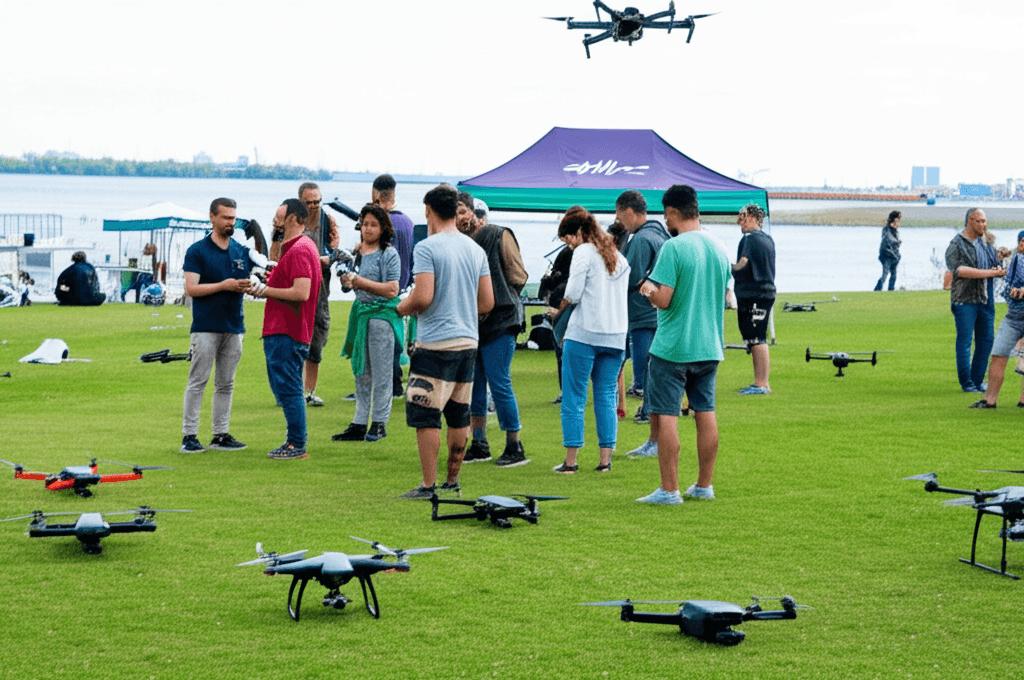
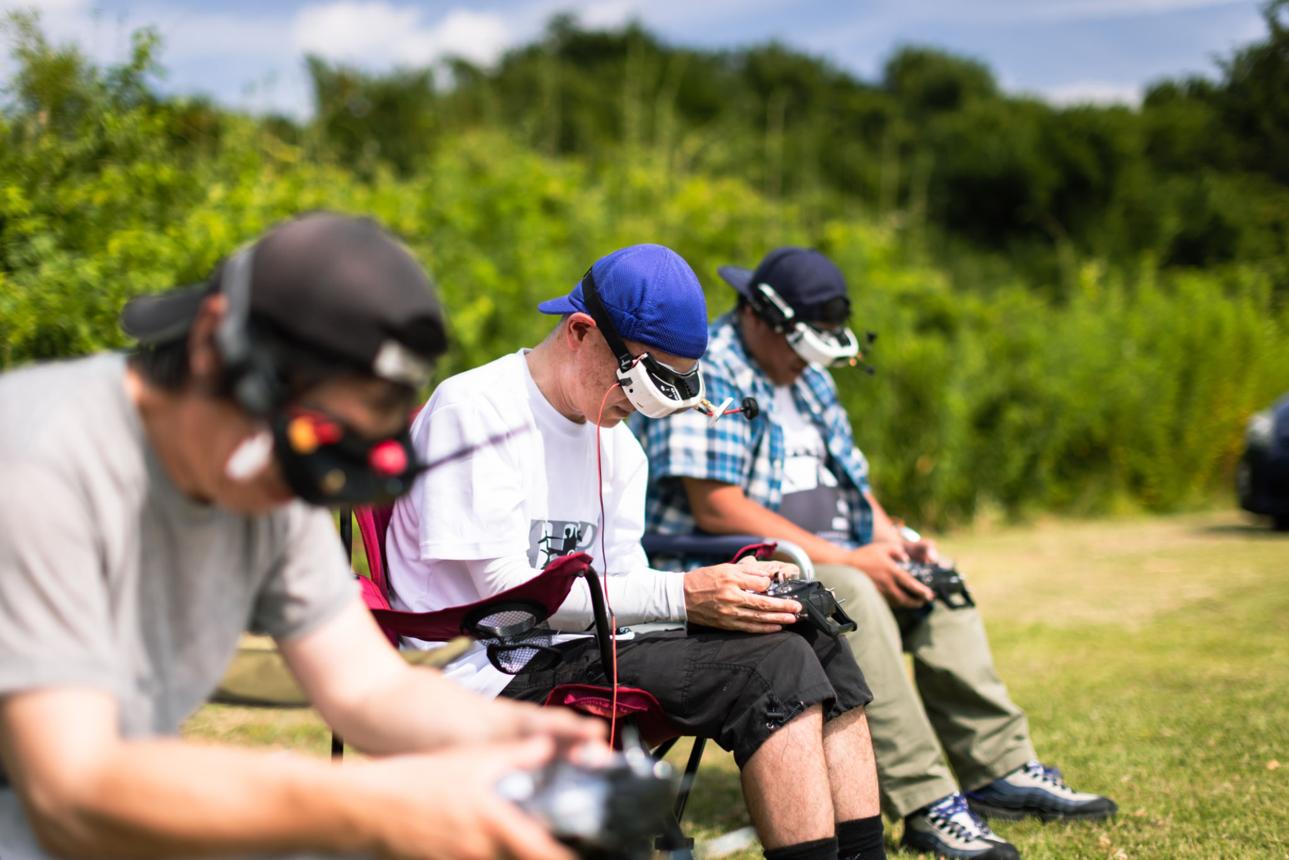
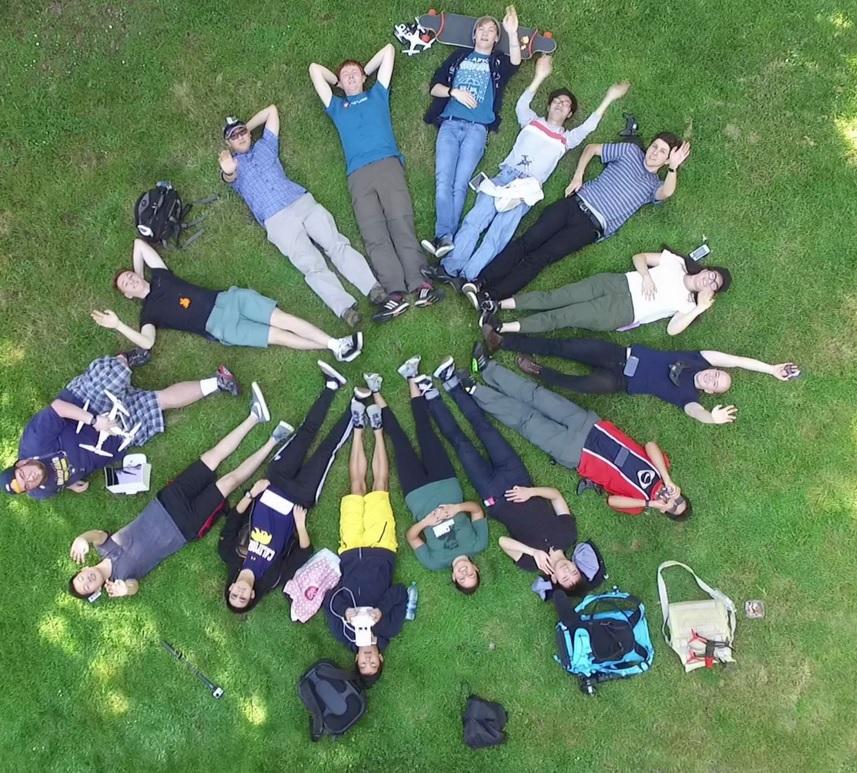
More importantly, communities help maintain enthusiasm. Watching other pilots create amazing footage or build creative aircraft inspires people to keep improving their own skills.
Online Drone Communities
The internet played a huge role in the growth of hobby drones.
Today there are countless places where pilots gather online.
Forums
Drone forums remain valuable sources of detailed technical knowledge.
Pilots discuss:
- Repairs
- Firmware
- Troubleshooting
- Regulations
- Equipment reviews
- Flight techniques
Forums are especially useful because older discussions often contain solutions to common problems.
Video Platforms
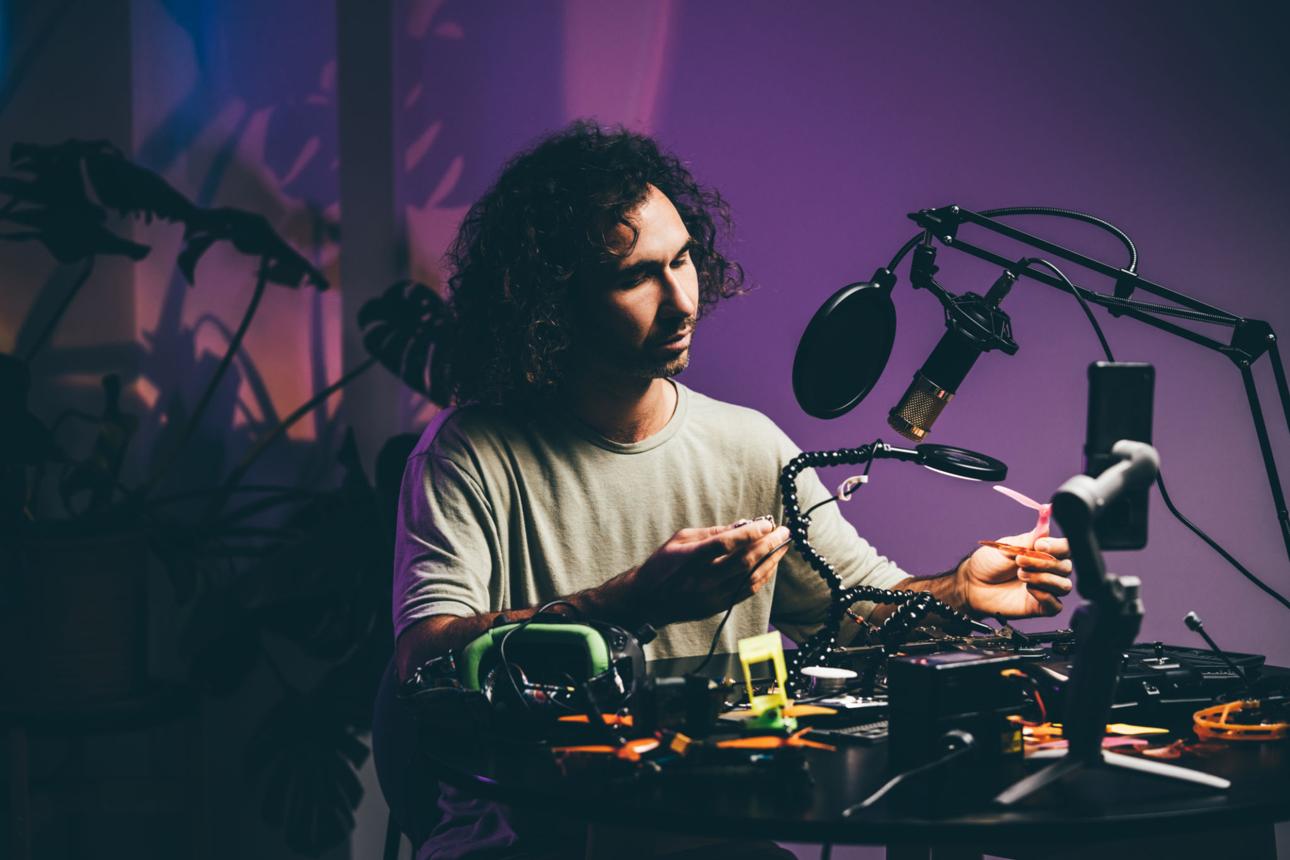
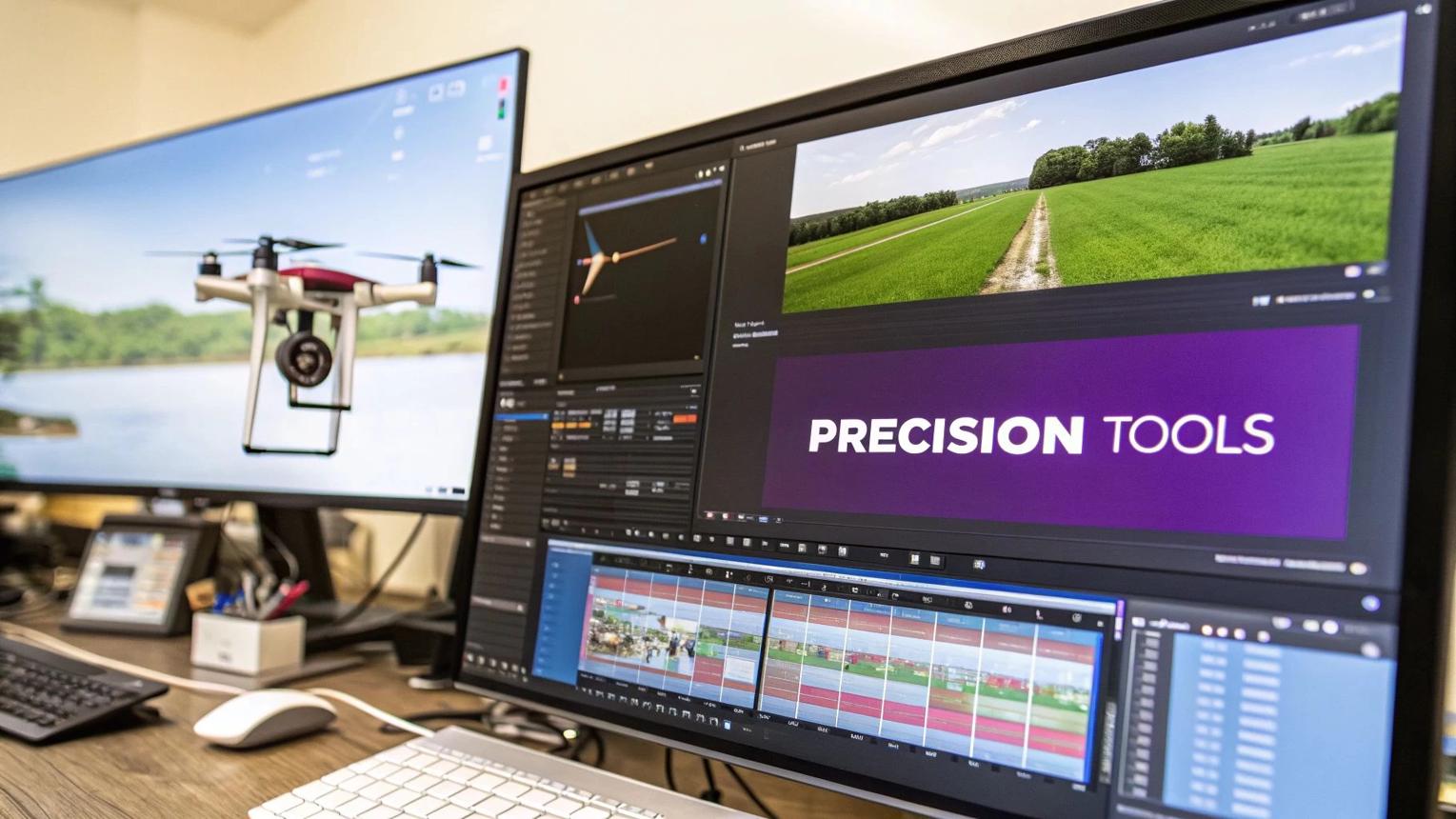
Video-sharing platforms transformed drone education. Pilots can now watch:
- Tutorials
- Flight demonstrations
- Cinematic edits
- Build guides
- Repair walkthroughs
- Product reviews

7
Many beginners learn nearly everything through online educational content. This accessibility helped hobby drones spread worldwide much faster than many earlier technical hobbies.
Social Media Groups
Social platforms allow pilots to:
- Share photos and videos
- Ask questions
- Discuss new products
- Find local events
- Connect with nearby pilots
These groups help newcomers feel included quickly. Drone culture often feels collaborative rather than competitive.
Local Flying Groups
Many cities and regions have local drone clubs or informal flying groups. Meeting other pilots in person provides benefits that online interaction cannot fully replace.
Local groups often help with:
- Safe flying locations
- Hands-on learning
- Flight coaching
- Equipment setup
- Regulations
- Real-time troubleshooting
Flying with others also improves safety because pilots can watch for:
- Air traffic
- Obstacles
- Signal issues
- Environmental hazards
FPV Racing Communities
FPV racing communities are especially social and energetic. Pilots gather for:
- Competitive races
- Freestyle sessions
- Build discussions
- Group practice
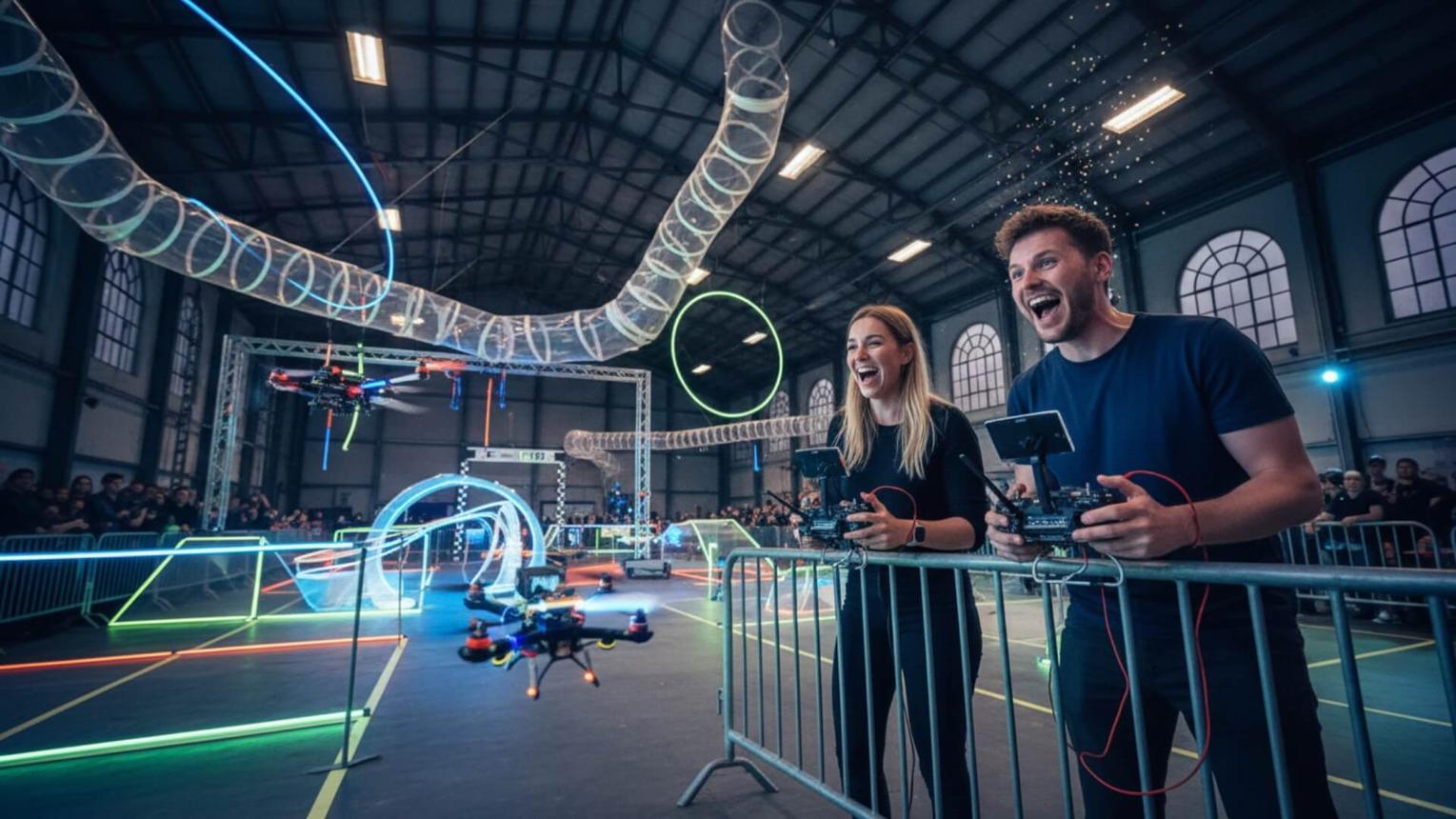
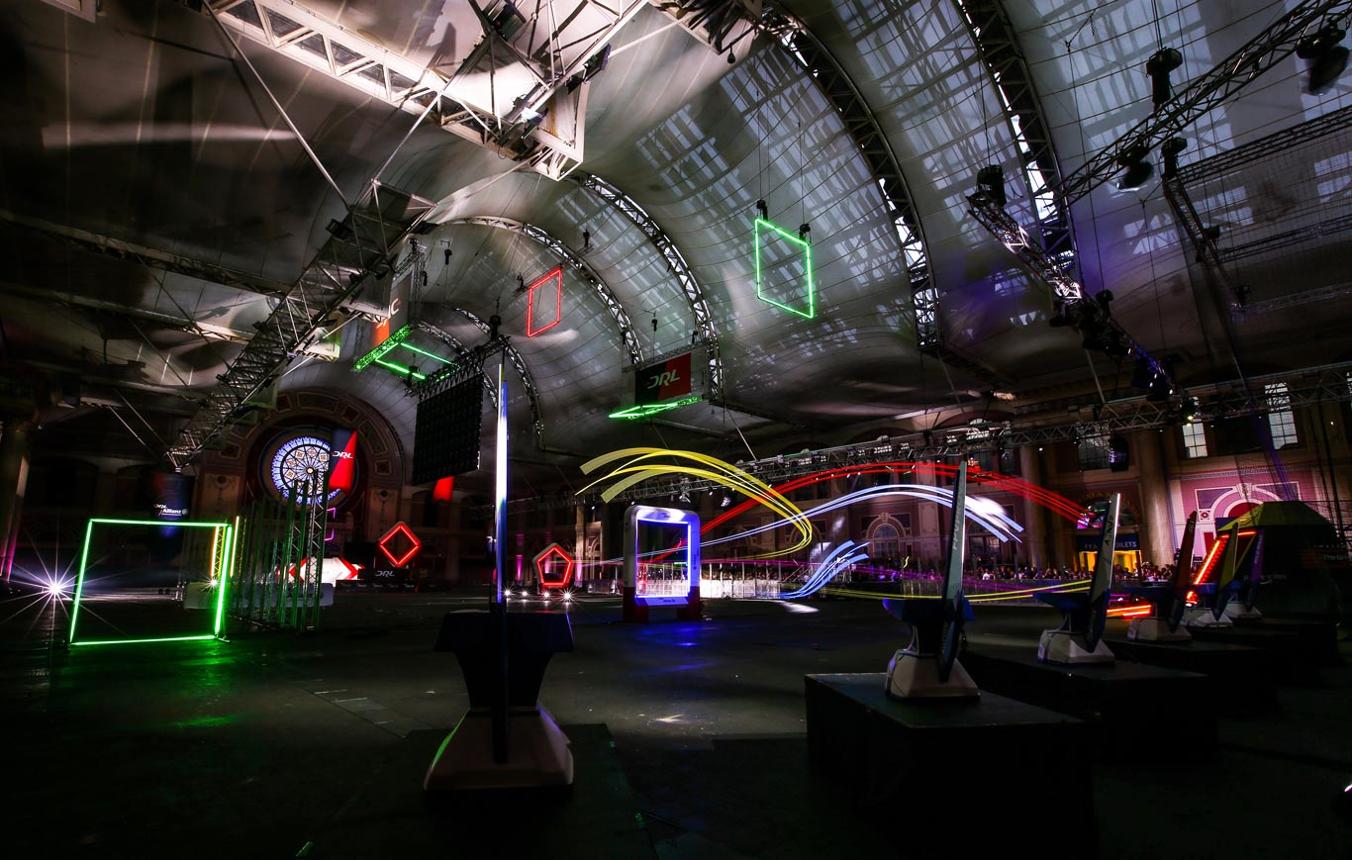
Racing events often feel similar to:
- Motorsports
- Gaming tournaments
- Technical maker events
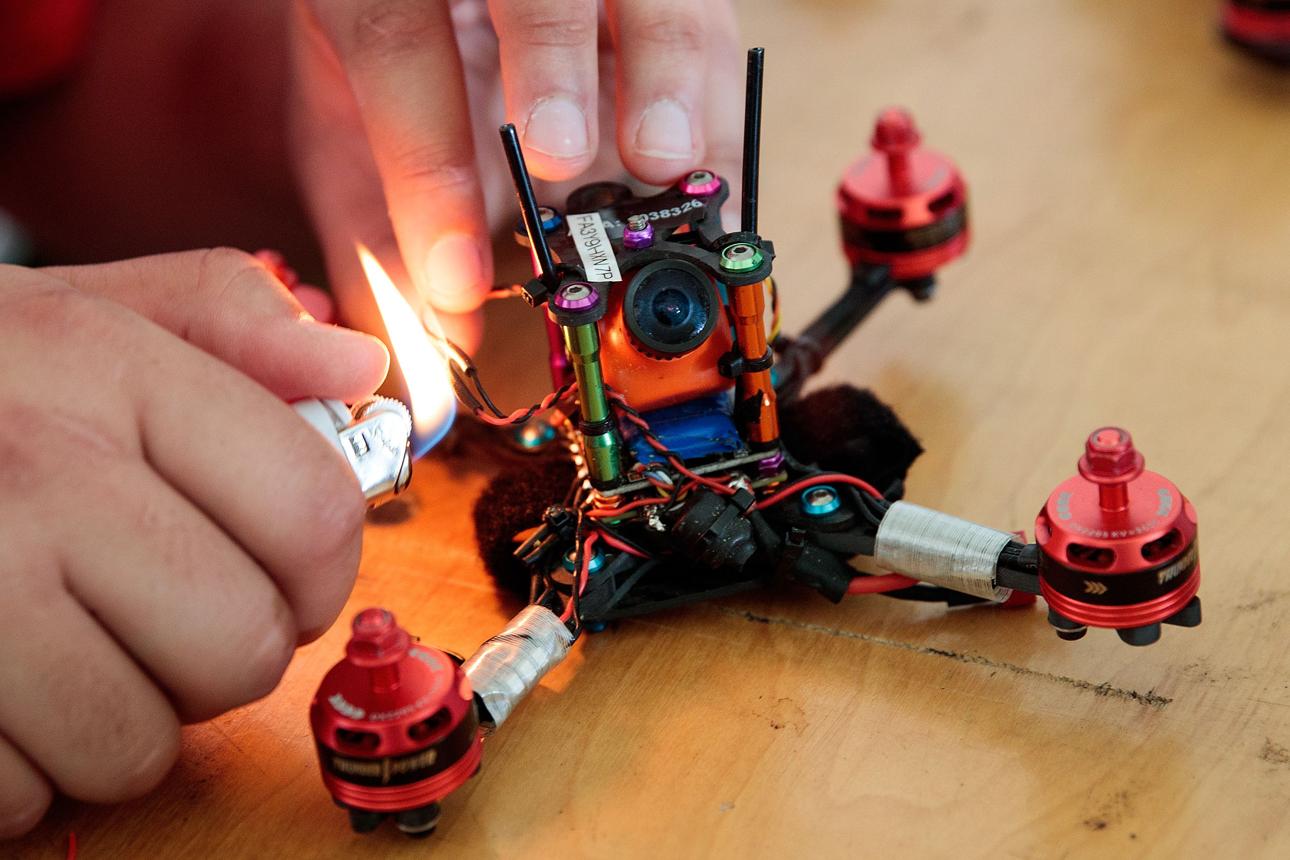
There is usually a strong sense of camaraderie because nearly everyone:
- Crashes
- Repairs
- Learns together
Drone Photography Communities
Photography-focused drone communities emphasize:
- Composition
- Editing
- Lighting
- Travel
- Storytelling
Pilots share:
- Aerial landscapes
- Urban photography
- Wildlife images
- Coastal scenes
- Cinematic travel footage
Creative communities often inspire photographers to:
- Explore new locations
- Improve editing skills
- Experiment artistically
Learning Through Shared Mistakes
One of the most valuable aspects of drone communities is openness about mistakes.
Pilots frequently share:
- Crash stories
- Equipment failures
- Lost drones
- Technical problems
This helps others avoid repeating similar errors. Experienced pilots know that failure is part of learning.
Open discussion creates safer and more knowledgeable communities.
The Importance of Responsible Culture
The future of hobby drones depends heavily on public perception. Irresponsible flying affects everyone.
That is why strong communities usually encourage:
- Safe operation
- Respect for regulations
- Wildlife protection
- Privacy awareness
- Responsible flying behavior
Good community culture helps preserve flying opportunities for everyone.
Finding Safe Flying Locations
One of the biggest beginner challenges is finding appropriate places to fly.
Local pilots often know:
- Open flying fields
- Scenic photography locations
- Legal FPV areas
- Low-interference environments
- Beginner-friendly parks
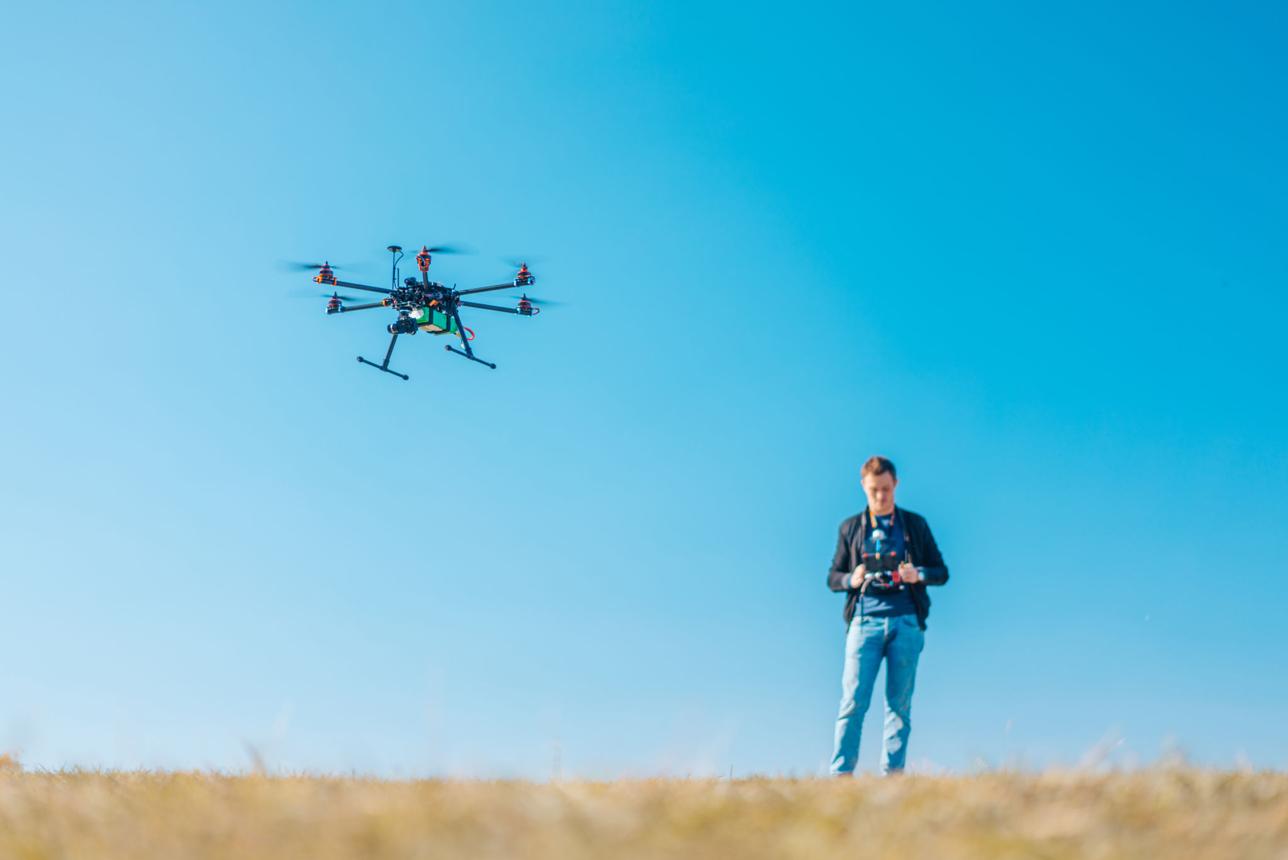
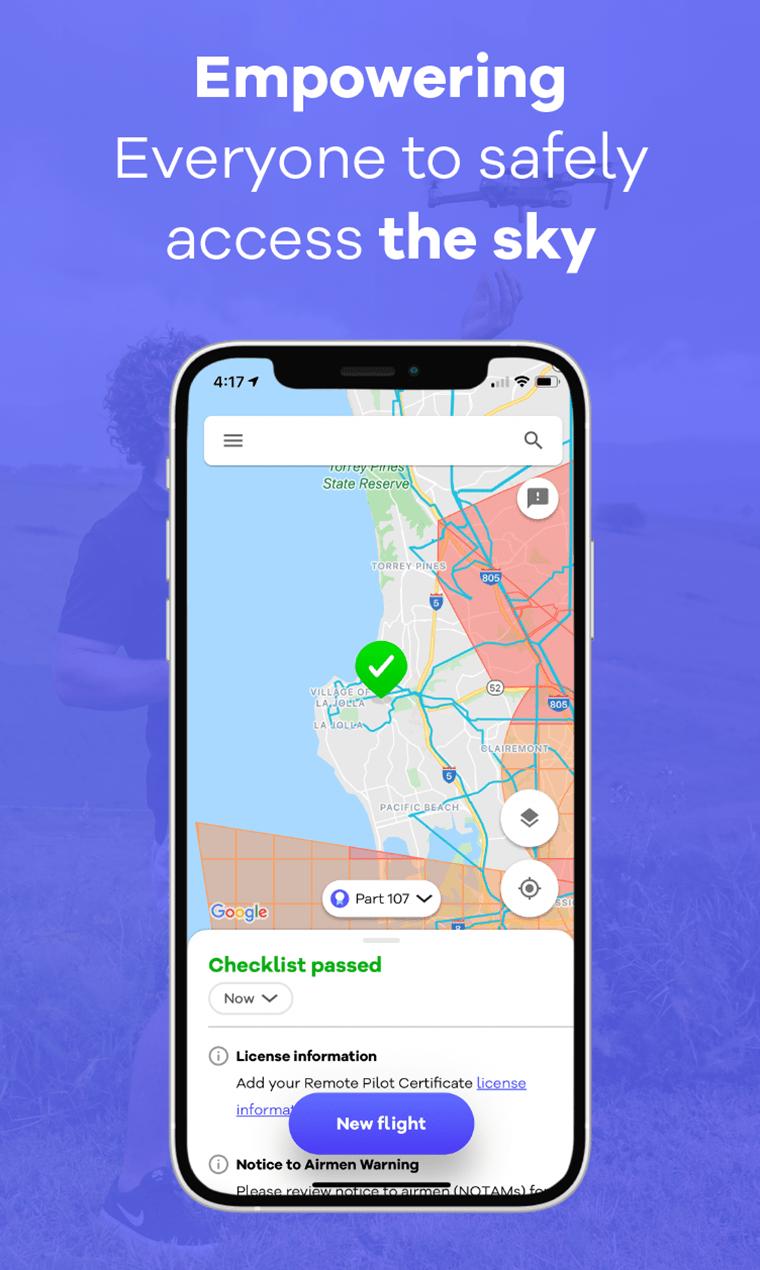
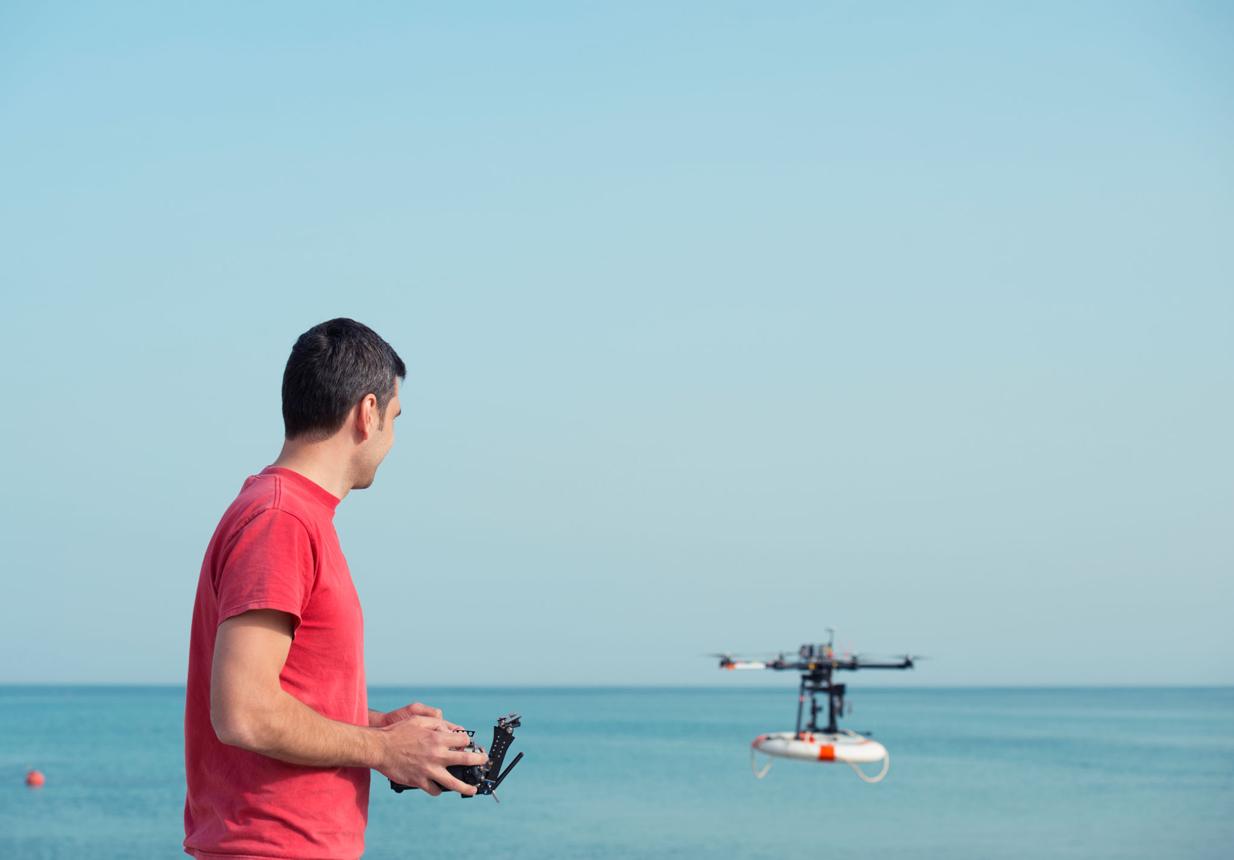
Learning from experienced local flyers can prevent many problems.
Competitions and Events
Drone events continue growing worldwide.
Popular event types include:
- FPV races
- Freestyle competitions
- Aerial photography contests
- Technology expos
- Demonstration events
Events allow enthusiasts to:
- Test skills
- Discover new equipment
- Meet experienced pilots
- Learn emerging techniques
Many hobbyists become more deeply involved after attending their first drone event.
The Maker Community
Drone building overlaps heavily with maker culture.
Builders enjoy:
- Experimentation
- Electronics
- Fabrication
- Engineering
- Open-source projects
Many drone enthusiasts also participate in:
- Robotics
- 3D printing
- Coding
- Electronics design
This technical crossover creates highly creative communities.
Mentorship in the Drone World
Many experienced pilots enjoy helping newcomers. Beginners benefit enormously from mentors who can explain:
- Safety procedures
- Flight techniques
- Equipment selection
- Troubleshooting
- Regulations
Good mentorship reduces frustration and accelerates progress. One helpful conversation can prevent weeks of confusion.
The Role of Creativity
Drone communities are not only technical. They are also highly creative. Pilots constantly experiment with:
- Cinematic styles
- FPV tricks
- Editing techniques
- Music synchronization
- Storytelling approaches
Watching other creators pushes the entire hobby forward artistically.
International Growth
Drone enthusiasm exists worldwide. Pilots fly in:
- Cities
- Mountains
- Beaches
- Deserts
- Forests
- Arctic regions
Despite cultural and geographic differences, drone hobbyists often share similar excitement about:
- Flight
- Technology
- Creativity
- Exploration
The internet allows these communities to connect globally.
Respecting Nature and Public Spaces
Responsible pilots understand that drones affect shared environments. Good community behavior includes:
- Avoiding wildlife disturbance
- Respecting quiet areas
- Following local rules
- Staying clear of crowds
- Being courteous to the public
Public acceptance depends heavily on how pilots behave. A respectful community protects the hobby’s future.
Teaching the Next Generation
Drones are increasingly used in:
- Schools
- STEM programs
- Aviation training
- Robotics education
Young hobbyists often develop interests in:
- Engineering
- Photography
- Programming
- Aviation
- Physics
Many educators now use drones to introduce students to real-world technology and problem-solving.
From Hobby to Career
For some enthusiasts, hobby drones eventually lead to professional opportunities. Skills learned through the hobby can translate into careers involving:
- Filmmaking
- Inspection services
- Surveying
- Agriculture
- Engineering
- Emergency response
- Software development
Many professionals in the drone industry started simply as curious hobbyists.
The Emotional Side of Flying
People often focus on drone technology, but the emotional experience matters too. Flying creates feelings of:
- Freedom
- Exploration
- Curiosity
- Creativity
- Adventure
Many pilots enjoy drones because they provide moments of perspective — literally and emotionally.
Watching a sunrise from above a coastline or gliding across a mountain valley can feel genuinely inspiring.
These experiences are often what keep people passionate about the hobby long-term.
Everyone Starts as a Beginner
One encouraging truth about the drone world is that every skilled pilot once struggled with:
- Orientation
- Crashes
- Bad footage
- Technical confusion
- Nervous takeoffs
Communities thrive when experienced pilots remember what it felt like to begin. Patience and encouragement help newcomers grow into skilled, responsible enthusiasts.
A Hobby That Keeps Evolving
Drone technology changes rapidly. New developments constantly appear involving:
- Cameras
- AI systems
- Flight performance
- FPV technology
- Automation
- Battery systems
The community evolves alongside the technology. That constant change keeps the hobby exciting year after year.
More Than Just Machines
At first glance, drones may seem like gadgets. But over time, many hobbyists realize the experience is about much more than technology. Drones become tools for:
- Creativity
- Exploration
- Learning
- Friendship
- Engineering
- Storytelling
The aircraft itself is only part of the experience. The people, ideas, and shared passion surrounding the hobby are what truly make it meaningful.
The Journey Continues
The beauty of hobby drones is that there is always another direction to explore. Some pilots become:
- Cinematic filmmakers
- FPV racers
- Aerial photographers
- Drone builders
- Technical engineers
- Educators
- Explorers
Others simply enjoy flying recreationally on quiet evenings. There is no single “correct” way to enjoy the hobby.
What matters most is continuing to:
- Learn
- Fly responsibly
- Stay curious
- Create
- Explore
Because in many ways, drones are not really about machines at all. They are about perspective.
And once you experience the world from above, you rarely see it the same way again.