From The Hobby Drone Handbook by Stan Gold · Hobbies
Chapter 7 — FPV Flying and Racing
Published
Entering the Cockpit
For many people, flying a traditional camera drone feels like operating a flying tripod.
FPV flying feels completely different.
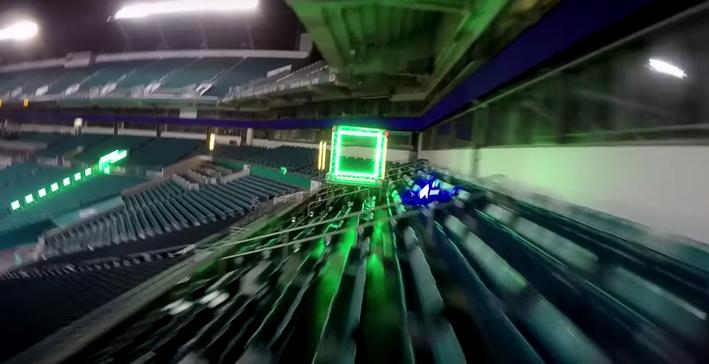
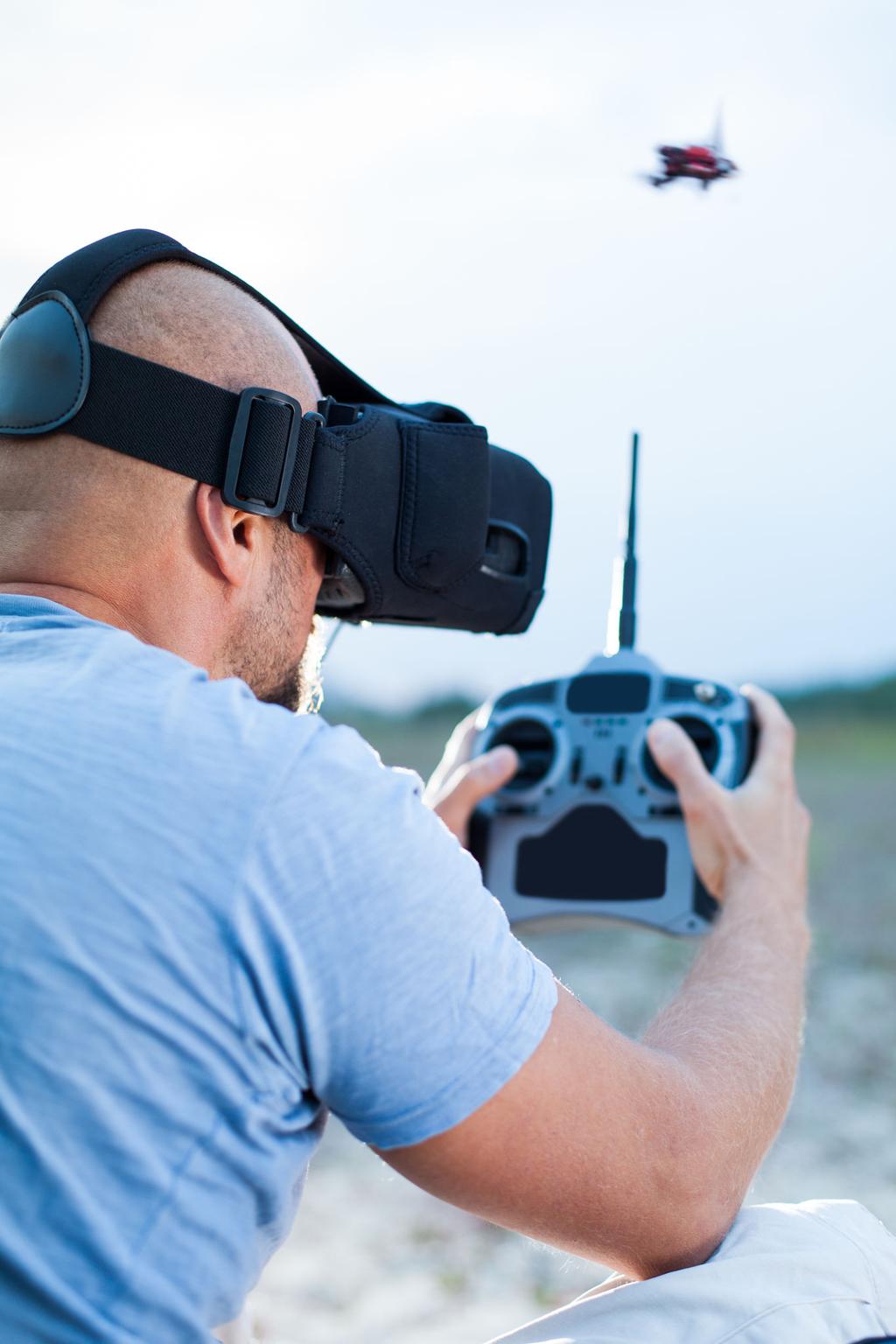
The moment you put on FPV goggles and see the world through the drone’s camera in real time, the experience changes from remote control to immersion. Instead of watching the aircraft from the ground, you feel as if you are sitting inside it.
You dive through trees.
You race down narrow paths.
You skim across water.
You bank around obstacles at high speed.
FPV — short for First Person View — transforms drone flying into something closer to piloting a tiny aircraft or playing a high-speed video game in real life. For some pilots, FPV becomes more addictive than any other part of the hobby because it combines:
- Speed
- Precision
- Adrenaline
- Technical skill
- Creativity
- Total immersion
FPV flying is also one of the most challenging areas of the drone world.
Crashes are common.
Learning curves are steep.
Repairs are expected.
But for many enthusiasts, that challenge is exactly what makes FPV so rewarding.
What Makes FPV Different?
Traditional camera drones rely heavily on:
- GPS stabilization
- Obstacle avoidance
- Hover assistance
- Automated flight modes
FPV drones are usually flown much more manually.
Instead of letting the drone stabilize itself automatically, FPV pilots actively control:
- Pitch
- Roll
- Yaw
- Throttle
This creates a much more connected and responsive feeling.
FPV drones are designed for:
- Agility
- Speed
- Responsiveness
- Maneuverability
They can:
- Flip
- Dive
- Roll
- Accelerate rapidly
- Fly through tight spaces
The experience is intense compared to traditional stabilized drone flight.
Understanding FPV Systems
An FPV system consists of several major components working together.
The Drone
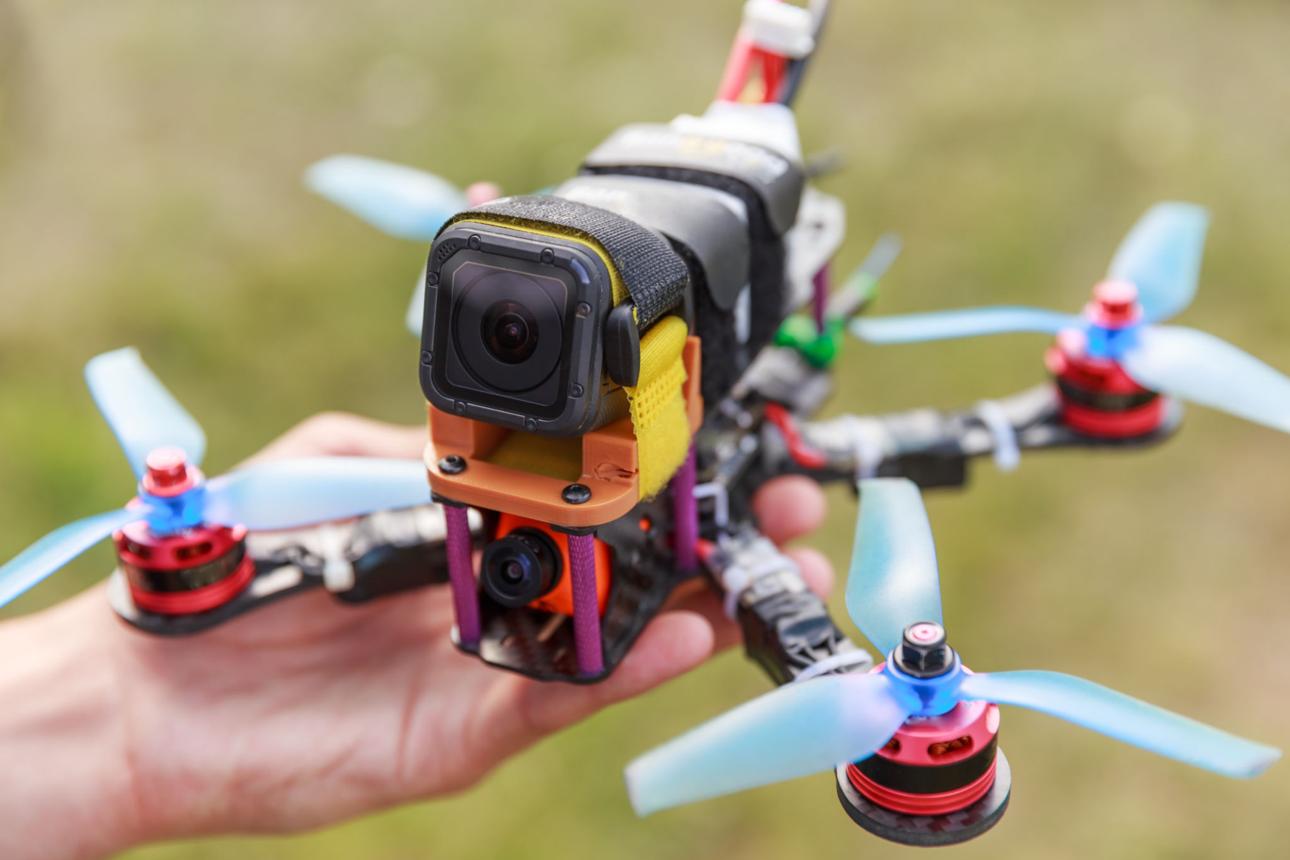
FPV drones are typically:
- Smaller
- Lighter
- Faster
- More customizable
Most FPV drones use carbon fiber frames and powerful brushless motors.
Unlike many camera drones, FPV aircraft are often designed to survive crashes and be repaired repeatedly.
The Camera
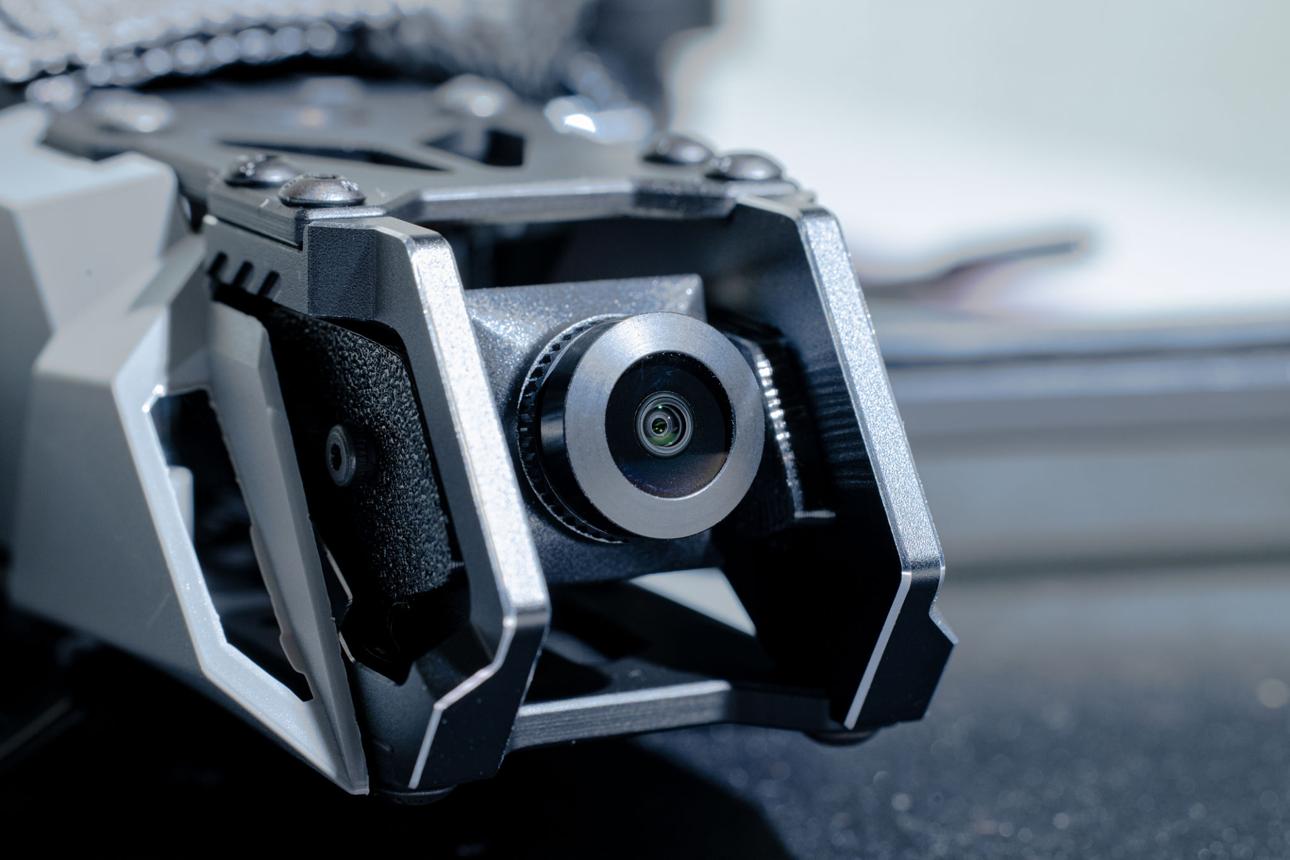
FPV drones carry lightweight forward-facing cameras that transmit live video to the pilot.
These cameras prioritize:
- Low latency
- Fast response
- Wide field of view
Unlike cinematic camera drones, FPV cameras are designed primarily for real-time piloting rather than photography.
Video Transmitters
The drone sends video signals wirelessly to the pilot’s goggles using a video transmitter (VTX).
Signal quality depends on:
- Transmission power
- Antenna quality
- Interference
- Distance
- Obstacles
Maintaining strong video connection is critical because FPV pilots rely heavily on live video feeds.
FPV Goggles
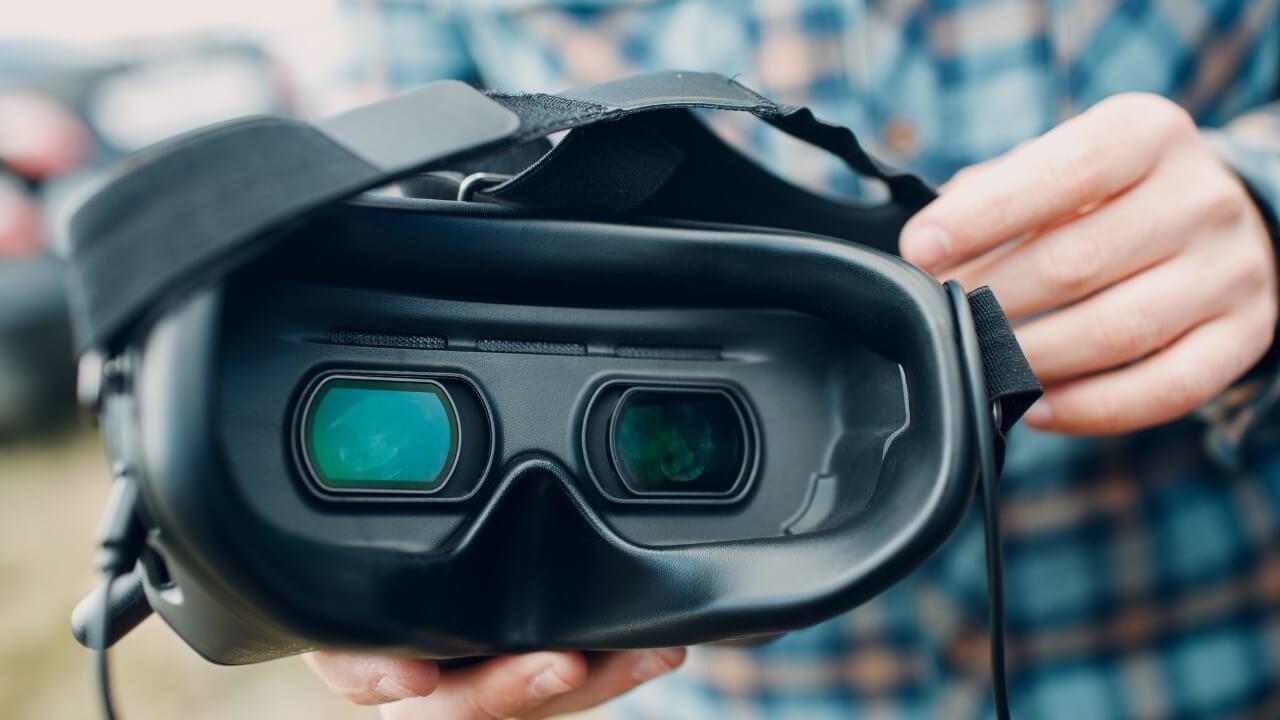
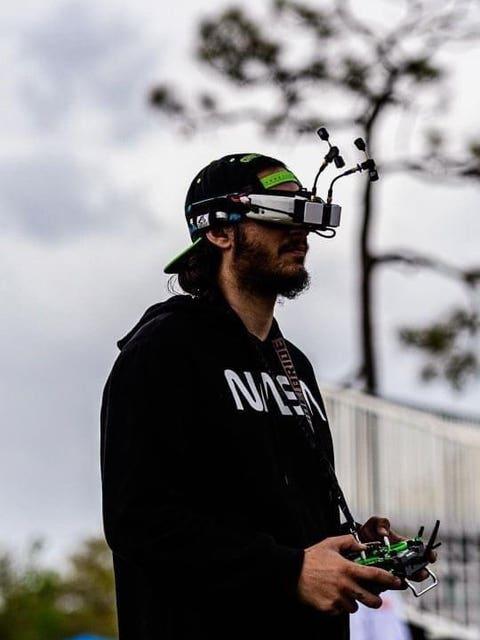
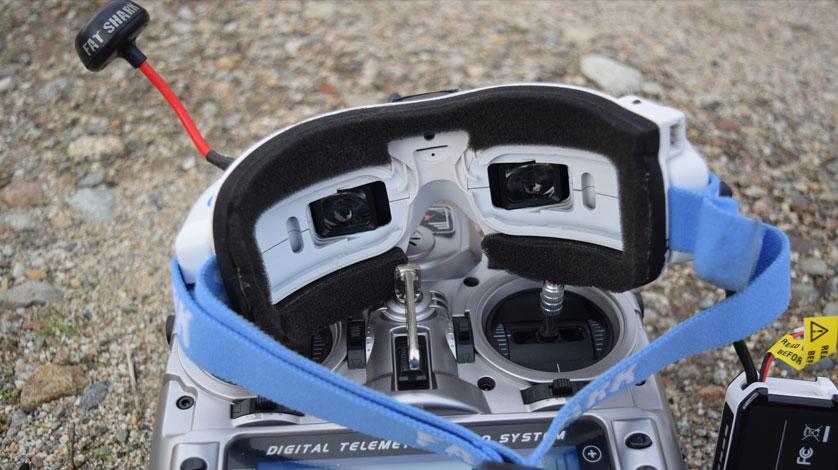
FPV goggles display the drone’s live camera feed directly in front of the pilot’s eyes.
7
The goggles create the illusion of being onboard the aircraft.
Good FPV goggles provide:
- Low latency
- Clear image quality
- Strong signal reception
- Comfortable fit
Many FPV pilots say the goggles are what truly make the experience feel immersive.
Radio Controllers
FPV controllers often resemble gaming transmitters and provide highly precise control.
Pilots use:
- Fine throttle management
- Rapid directional inputs
- Coordinated movements
High-quality radio systems are especially important because FPV flying depends heavily on precise responsiveness.
Analog vs Digital FPV
One of the biggest choices in FPV flying involves video systems.
Analog FPV
Analog systems have existed for many years and remain popular, especially among racers.
Advantages:
- Very low latency
- Lower cost
- Lightweight components
- Strong community support
Disadvantages:
- Lower image quality
- Static interference
- Less visual detail
Analog video may appear noisy or grainy, but experienced pilots value its speed and reliability.
Digital FPV
Digital systems provide much clearer video feeds.
Advantages:
- High-definition image quality
- Better immersion
- Easier obstacle visibility
- More cinematic experience
Disadvantages:
- Higher cost
- Slightly increased latency
- More expensive repairs
Digital FPV helped expand cinematic freestyle flying because pilots can now capture beautiful footage while maintaining immersive control.
FPV Flight Modes
FPV drones often use several flight modes that dramatically affect handling.
Angle Mode
Angle mode provides self-leveling stabilization.
When sticks return to center:
- The drone levels automatically
This mode is useful for:
- Beginners
- Early training
- Basic practice
Horizon Mode
Horizon mode combines stabilization with limited aerobatic capability.
Pilots can perform flips while still benefiting from partial leveling assistance.
Acro Mode
Acro mode — short for “Acrobatic Mode” — removes self-leveling completely.
This is the preferred mode for:
- Racing
- Freestyle
- Advanced FPV flying
In Acro mode:
- The drone continues rotating until corrected manually
- Pilots have total control
- Mistakes happen quickly
Acro flying feels intimidating initially, but it unlocks the true potential of FPV flight.
Why Simulators Matter
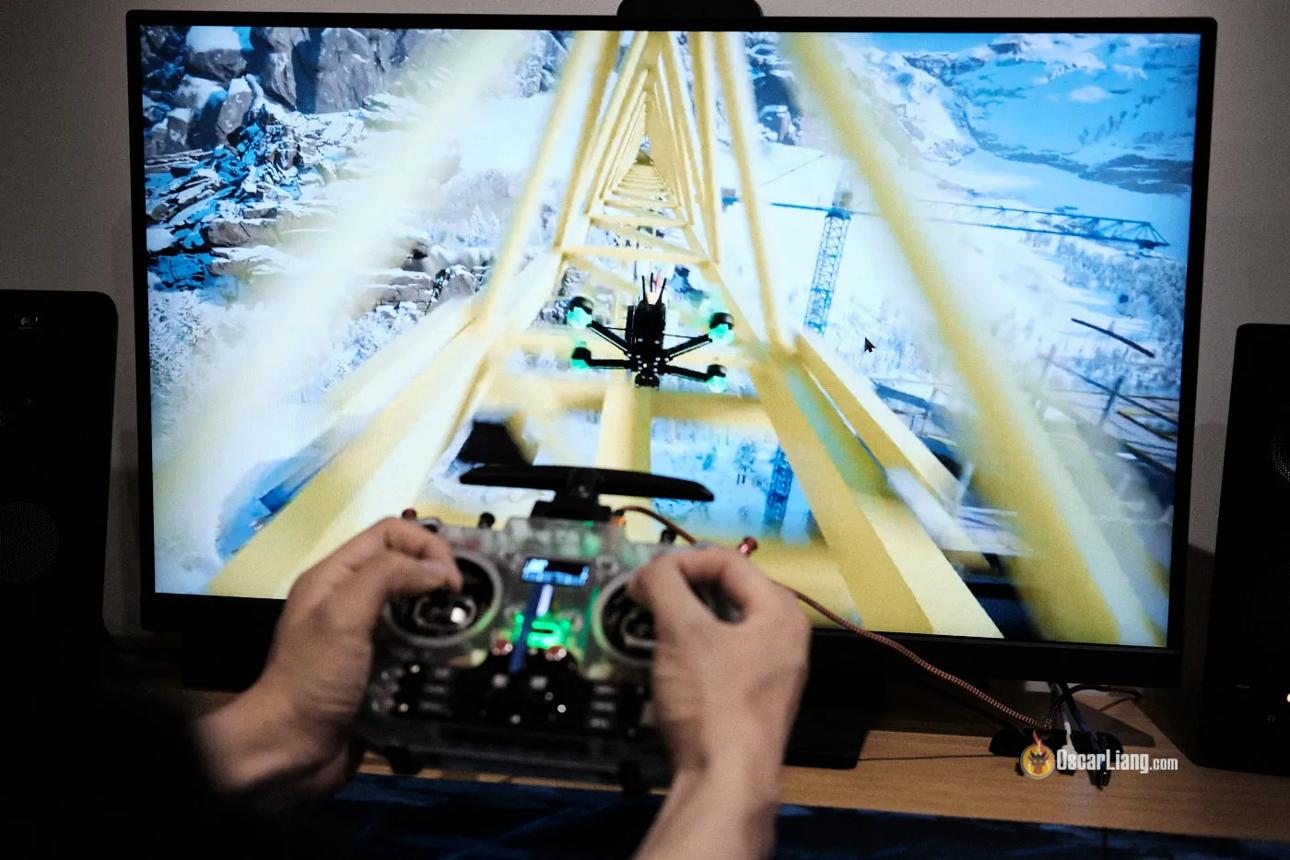
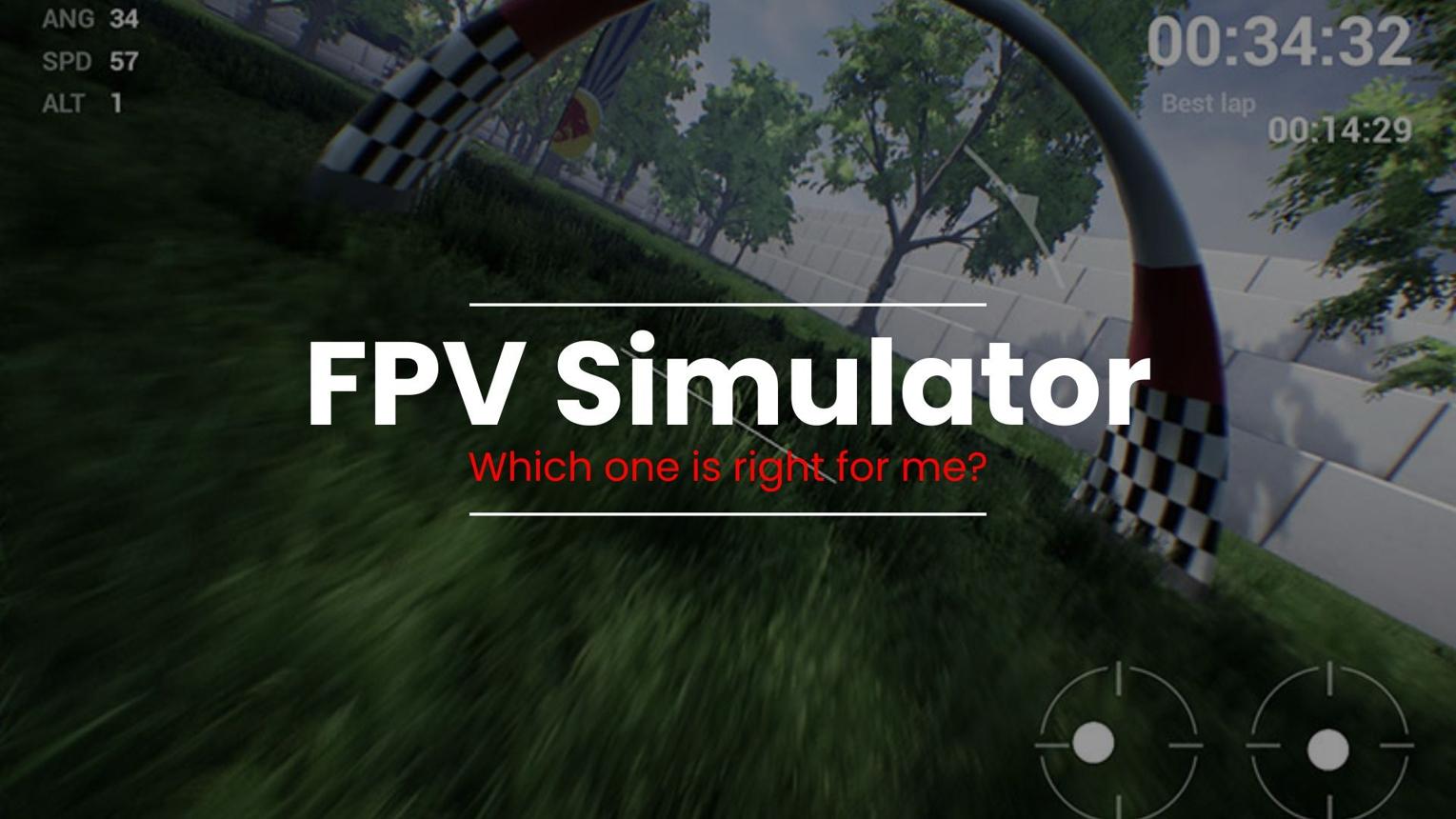
One of the smartest ways to learn FPV is using simulators.
FPV simulators allow pilots to practice:
- Orientation
- Acro flying
- Racing
- Freestyle tricks
without risking expensive crashes.
Many experienced pilots recommend spending:
- 10
- 20
- Even 50+ hours
in simulators before flying real FPV drones aggressively.
Simulators dramatically shorten the learning curve.
The FPV Learning Curve
FPV flying is difficult at first.
New pilots commonly experience:
- Disorientation
- Overcorrection
- Altitude control problems
- Motion confusion
- Frequent crashes
This is completely normal.
Unlike GPS camera drones, FPV aircraft demand constant active control.
At first, your brain may feel overloaded trying to process:
- Speed
- Direction
- Tilt
- Obstacles
- Throttle control
With repetition, these skills gradually become instinctive.
The Importance of Throttle Control
Throttle management is one of the hardest FPV skills.
Beginners often:
- Climb too aggressively
- Drop altitude suddenly
- Oscillate constantly
Experienced FPV pilots make tiny throttle adjustments continuously.
Smooth throttle control creates:
- Better stability
- Cleaner movement
- More precise maneuvers
Mastering throttle is one of the biggest milestones in FPV progression.
FPV Racing
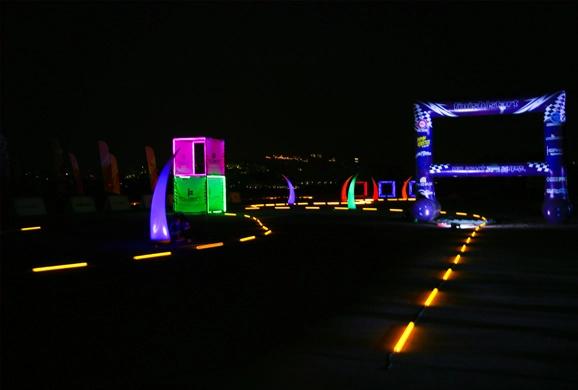
Drone racing combines aviation and motorsport.
Pilots race through courses marked by:
- Gates
- Flags
- Obstacles
- Tight turns
Courses demand:
- Precision
- Reflexes
- Memorization
- Fast decision-making
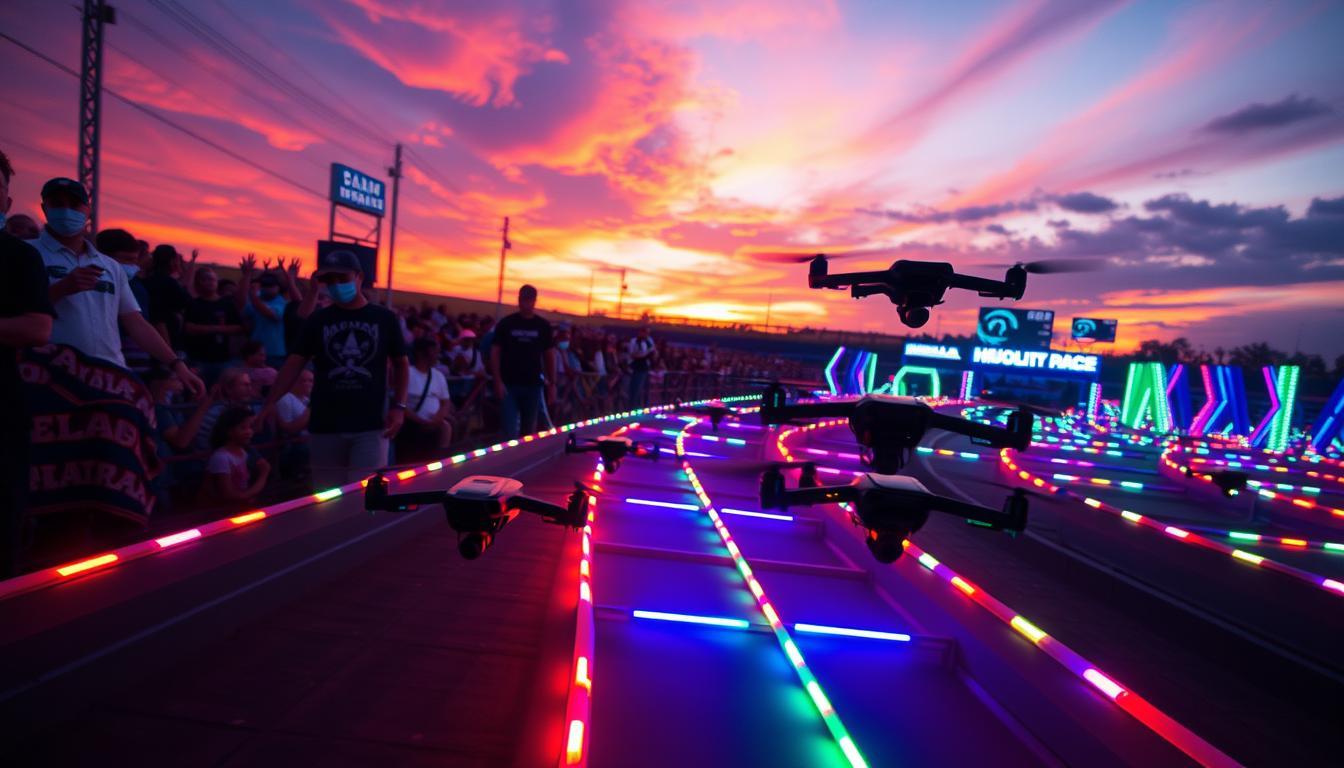
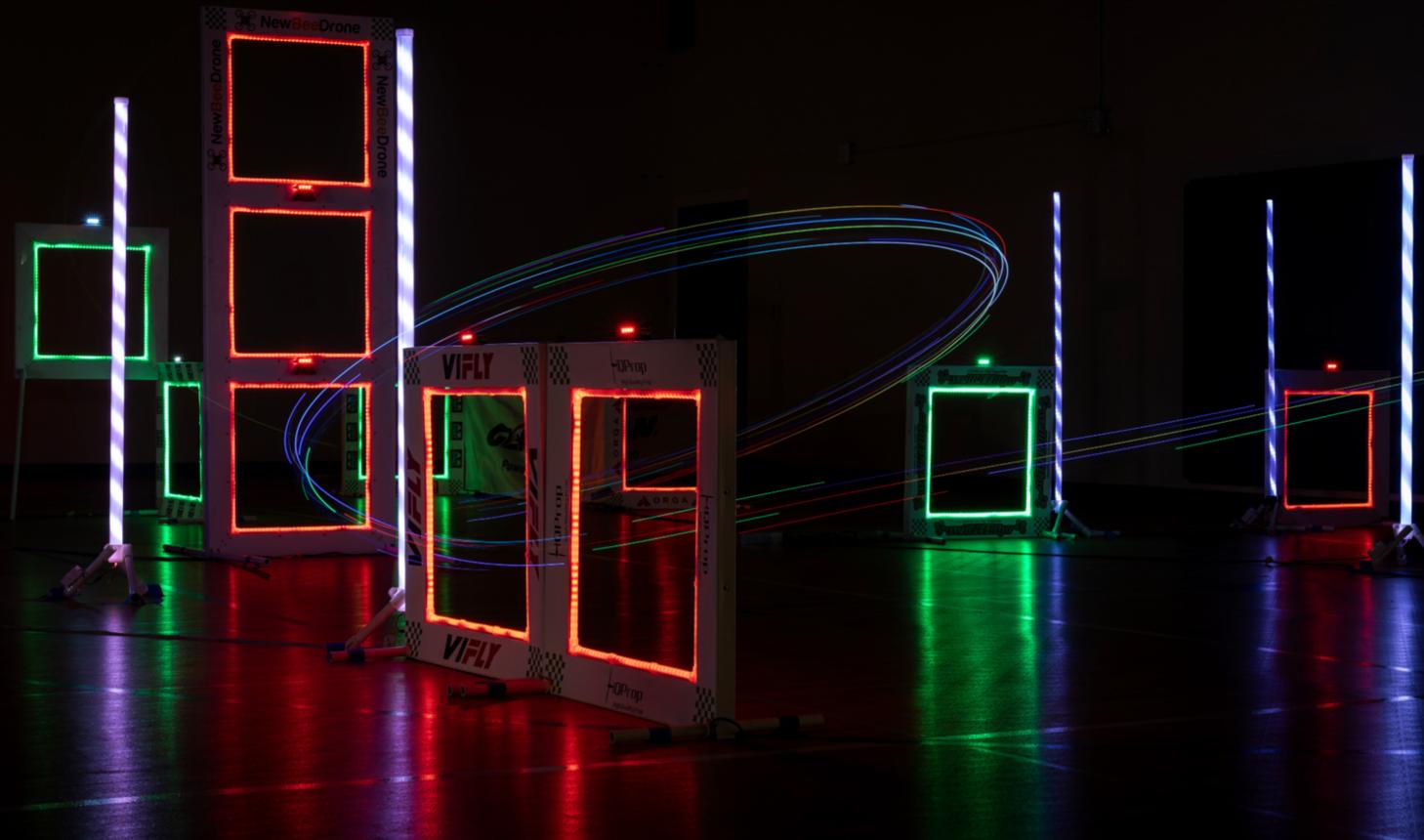
Professional FPV racers can navigate courses at astonishing speeds while maintaining incredible precision.
Racing rewards:
- Consistency
- Smooth lines
- Efficient movement
rather than reckless aggression.
Freestyle Flying
Freestyle FPV focuses more on creativity than competition.
Freestyle pilots perform:
- Rolls
- Flips
- Power loops
- Dives
- Technical maneuvers
often while creating cinematic footage.
Freestyle combines:
- Artistic expression
- Athletic coordination
- Technical skill
Many FPV videos online blend freestyle movement with cinematic landscapes and music, creating highly immersive content.
Cinematic FPV
A newer category called cinematic FPV combines smooth flying with immersive motion.
These drones are used to capture:
- Action sports
- Indoor fly-throughs
- Fast-moving vehicles
- Dynamic travel footage
Cinematic FPV footage feels very different from traditional stabilized drone video because viewers experience motion directly.
The result feels:
- Faster
- More immersive
- More emotional
Crashing Is Part of FPV
Every FPV pilot crashes.
Frequently.
In fact, crashes are so common that FPV drones are specifically designed to be repairable.
Common crash damage includes:
- Broken propellers
- Bent frames
- Damaged antennas
- Loose wires
Unlike camera drone pilots who often fear crashes intensely, FPV pilots generally accept crashes as part of the learning process.
Learning Basic Repairs
FPV flying naturally leads many pilots into technical skills.
Eventually most FPV enthusiasts learn:
- Soldering
- Motor replacement
- Frame repair
- Firmware configuration
- Component troubleshooting
This technical side becomes part of the hobby’s appeal.
For many pilots, building and repairing drones is almost as satisfying as flying them.
Safety in FPV Flying
FPV drones can be extremely fast and powerful.
This increases risk significantly.
Responsible FPV pilots:
- Avoid crowds
- Use spotters when appropriate
- Maintain safe distances
- Practice in open areas
- Respect regulations
High-speed flying requires maturity and judgment.
Motion Sickness and Fatigue
Some beginners experience:
- Motion sickness
- Eye strain
- Fatigue
during FPV sessions.
Symptoms usually improve over time as pilots adapt.
Taking breaks and starting with shorter sessions helps reduce discomfort.
The FPV Community
One reason FPV flying grows so rapidly is the strong community surrounding it.
Pilots share:
- Build ideas
- Flight footage
- Tutorials
- Technical advice
- Repair techniques
FPV culture is highly collaborative and welcoming to newcomers willing to learn.
Online communities, local groups, and racing clubs help beginners improve much faster.
Why FPV Feels So Addictive
FPV combines elements of:
- Aviation
- Gaming
- Motorsports
- Filmmaking
- Engineering
Few hobbies deliver such intense sensory engagement.
Pilots experience:
- Real-time immersion
- Adrenaline
- Creative freedom
- Constant progression
Every flight challenges both reflexes and judgment.
And unlike many hobbies, FPV offers nearly endless room for improvement.
A Different Kind of Flying
Traditional drones teach:
- Stability
- Patience
- Cinematic movement
FPV teaches:
- Precision
- Reflexes
- Coordination
- Spatial awareness
Both styles are rewarding in different ways.
Some pilots prefer smooth cinematic photography.
Others become obsessed with high-speed freestyle flying.
Many eventually enjoy both.
Together, they show just how diverse and exciting the hobby drone world has become.
In the next chapter, we will shift from speed and adrenaline to creativity and visual storytelling as we explore the art of drone photography