From The Hobby Drone Handbook by Stan Gold · Hobbies
Chapter 11 — The Future of Drones
Published
A Technology Still in Its Early Days
Modern hobby drones already feel remarkably advanced.
They can:
- Hover automatically
- Avoid obstacles
- Track moving subjects
- Capture cinematic video
- Return home autonomously
- Stream live video across long distances
Only a few decades ago, many of these capabilities belonged almost exclusively to:
- Military systems
- Aerospace laboratories
- Large research institutions
Today they fit inside backpacks and fly in local parks. Yet despite how impressive drones already seem, the technology is still developing rapidly. The drone industry remains young. In many ways, today’s hobby drones may eventually look primitive compared to what comes next.
This chapter explores where drone technology may be heading and how the future could reshape:
- Recreation
- Filmmaking
- Transportation
- Industry
- Automation
- Everyday life
Smarter Drones
One of the biggest trends in drone development is intelligence.
Early drones required constant manual control.
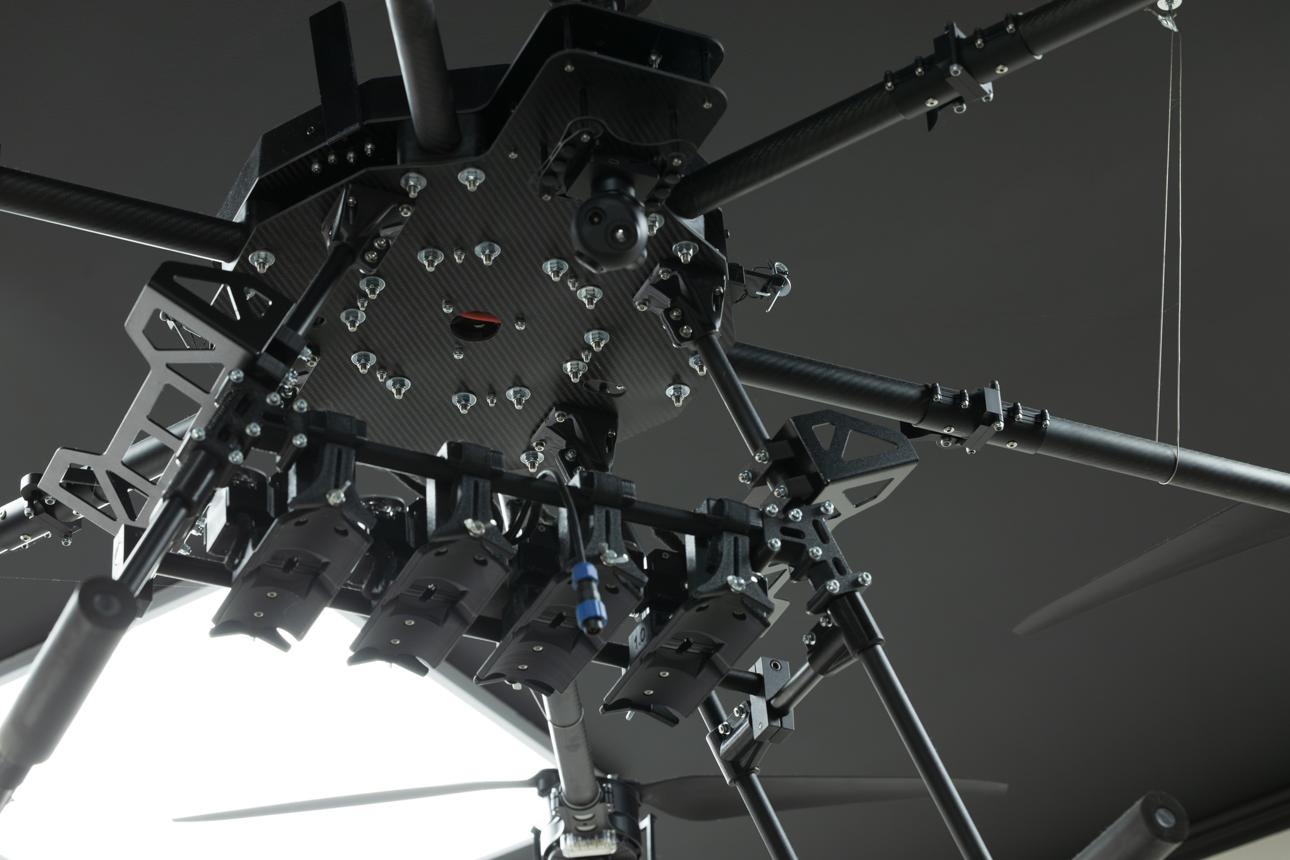
Modern drones already assist pilots with:
- Stabilization
- GPS positioning
- Obstacle avoidance
- Automated flight modes
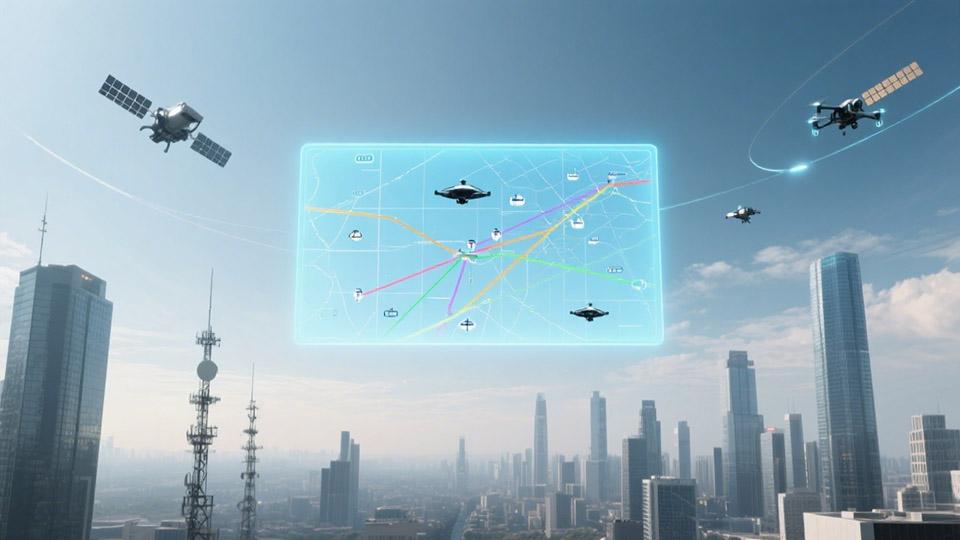
Future drones will likely become far more autonomous.

4
Instead of simply responding to commands, drones increasingly:
- Analyze environments
- Predict movement
- Recognize objects
- Make decisions in real time
Artificial intelligence is becoming one of the most important forces shaping the future of drones.
AI and Computer Vision
Modern drones already use computer vision systems to:
- Detect obstacles
- Track subjects
- Maintain positioning
- Identify terrain
Future AI systems may allow drones to:
- Understand environments more intelligently
- Navigate crowded spaces safely
- Recognize people and vehicles
- Adapt automatically to changing conditions
Eventually drones may behave less like remote-controlled machines and more like intelligent robotic assistants.
Fully Autonomous Flight
Today, most hobby drones still rely heavily on human supervision.
But autonomy is increasing rapidly.
Future drones may routinely:
- Plan routes automatically
- Avoid hazards independently
- Adjust for weather conditions
- Coordinate with other drones
- Perform complex missions with minimal input
This shift could dramatically expand drone applications.
Drone Swarms
One of the most fascinating future technologies involves drone swarms.
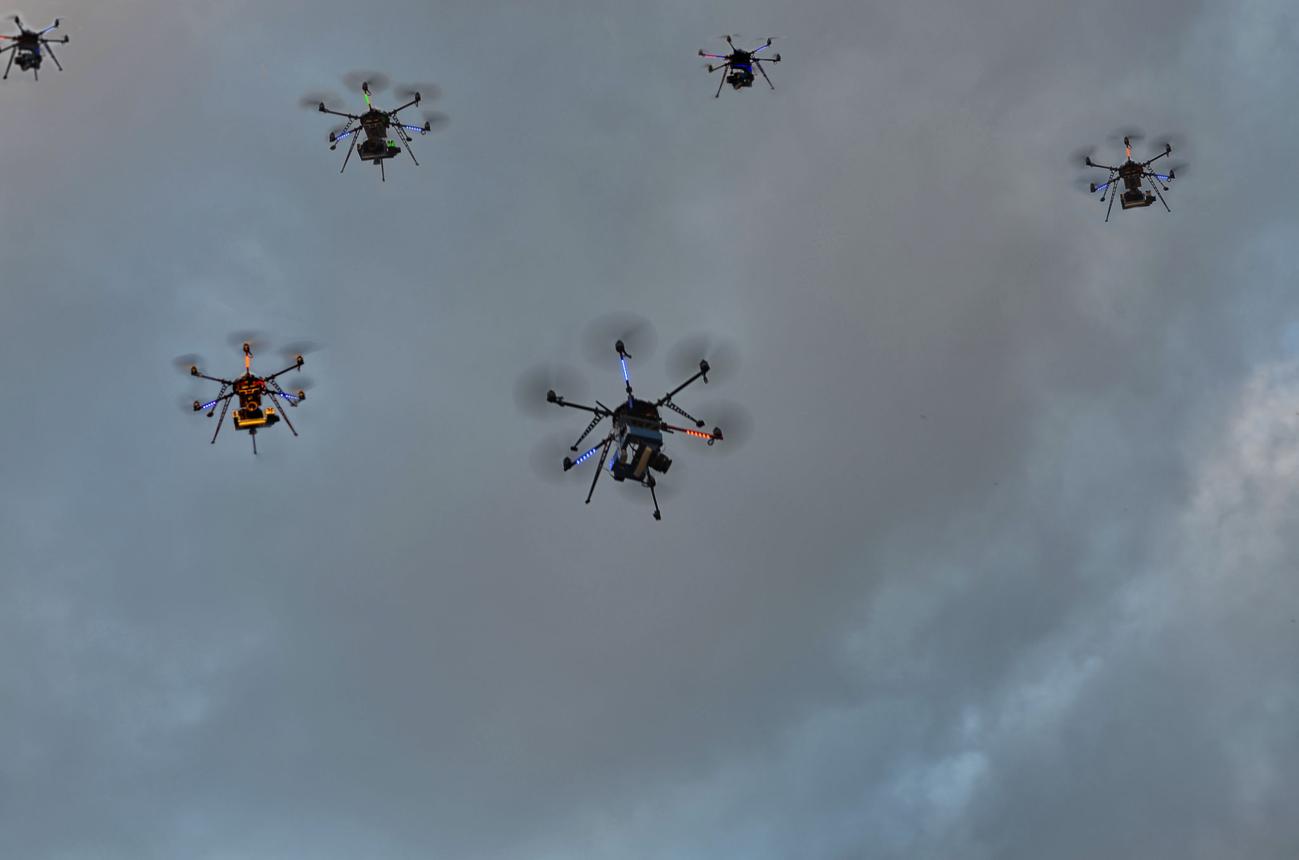
Instead of operating individually, swarms allow multiple drones to work together cooperatively.
Swarm systems may:
- Share information
- Coordinate movements
- Divide tasks automatically
- Adapt dynamically
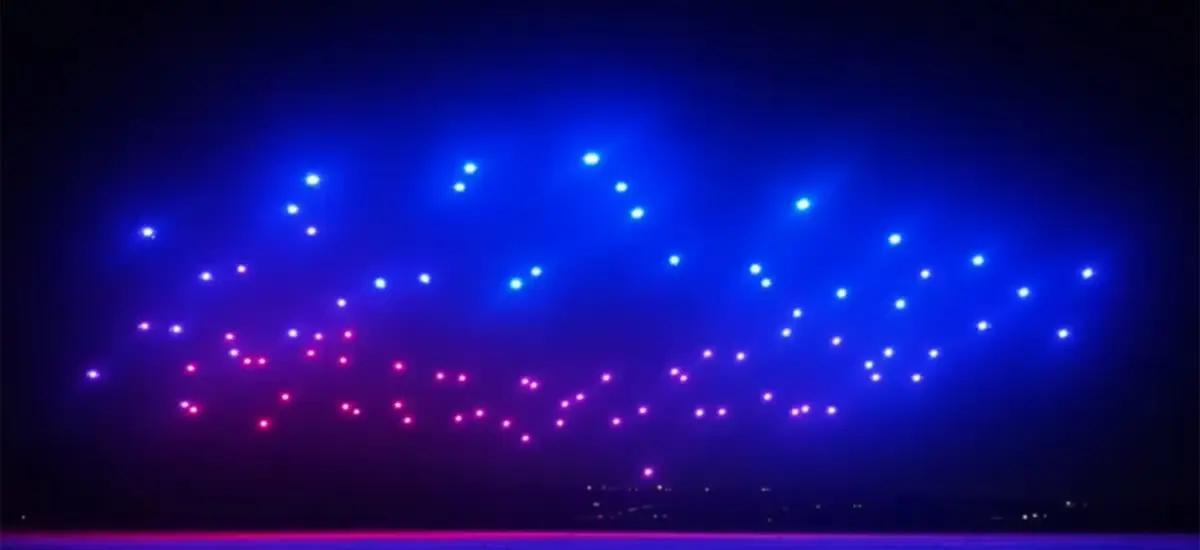
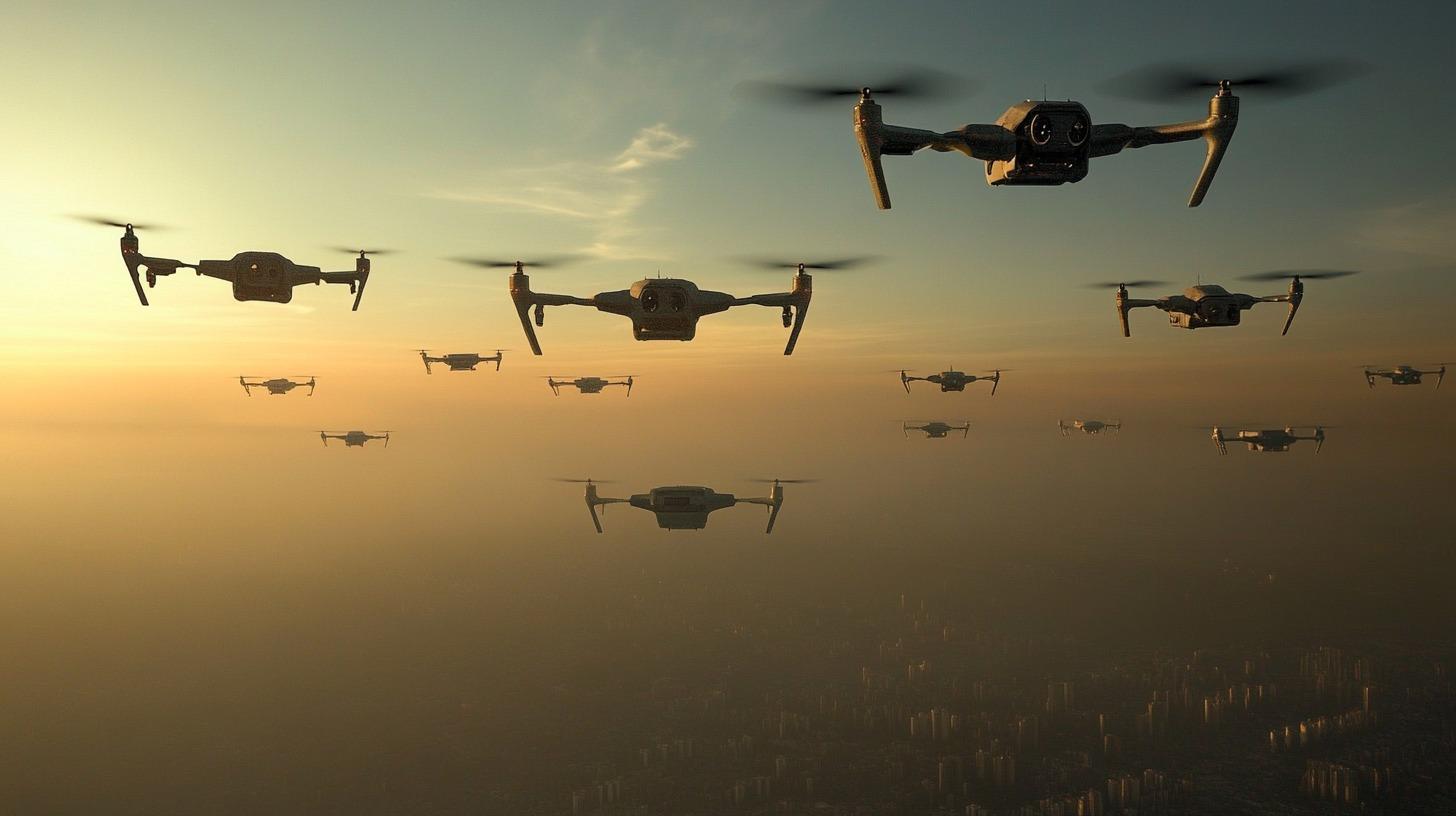
Drone swarms are already used for:
- Light shows
- Research
- Military testing
- Mapping operations
Future hobby applications could include:
- Coordinated aerial photography
- Multiplayer racing
- Collaborative filmmaking
- Group exploration systems
Longer Flight Times
Battery technology remains one of the biggest limitations in drones.
Most hobby drones currently fly for:
- 15 to 40 minutes
depending on size and purpose.
Future advances may dramatically improve endurance through:
- Better batteries
- Hydrogen fuel cells
- Solar assistance
- More efficient motors
- Lightweight materials
Longer flight times would expand possibilities for:
- Exploration
- Filmmaking
- Inspections
- Long-range FPV
- Autonomous missions
Smaller and More Portable Drones
As electronics continue shrinking, drones are becoming:
- Lighter
- Smarter
- More portable
Future hobby drones may:
- Fold smaller
- Launch instantly
- Operate quietly
- Fit into pockets or wearable systems
Miniaturization could make drones feel as common and accessible as smartphones became over time.
Quieter Drones
Noise remains one of the biggest public complaints about drones.
Manufacturers are actively researching quieter:
- Propellers
- Motors
- Airflow designs
Future drones may become dramatically less noticeable in public spaces.
Quiet flight would improve:
- Public acceptance
- Wildlife safety
- Urban usability
- Filmmaking flexibility
Reducing noise may be essential for widespread adoption.
FPV Technology Evolution
FPV systems continue advancing rapidly.
Future FPV improvements may include:
- Ultra-low latency digital systems
- Higher video resolution
- Better signal penetration
- Lightweight HD transmission
- Augmented reality overlays
FPV goggles may eventually display:
- Navigation data
- Hazard warnings
- Mapping information
- AI flight assistance
The line between gaming, simulation, and real-world flight may continue to blur.
Augmented Reality and Mixed Reality
Future drone systems may combine:
- Real-world flight
- Digital overlays
- AI-generated information
Pilots wearing advanced goggles could potentially see:
- Flight paths
- Obstacle warnings
- Subject tracking indicators
- Airspace boundaries
- Navigation markers
This could dramatically improve situational awareness and flight precision.
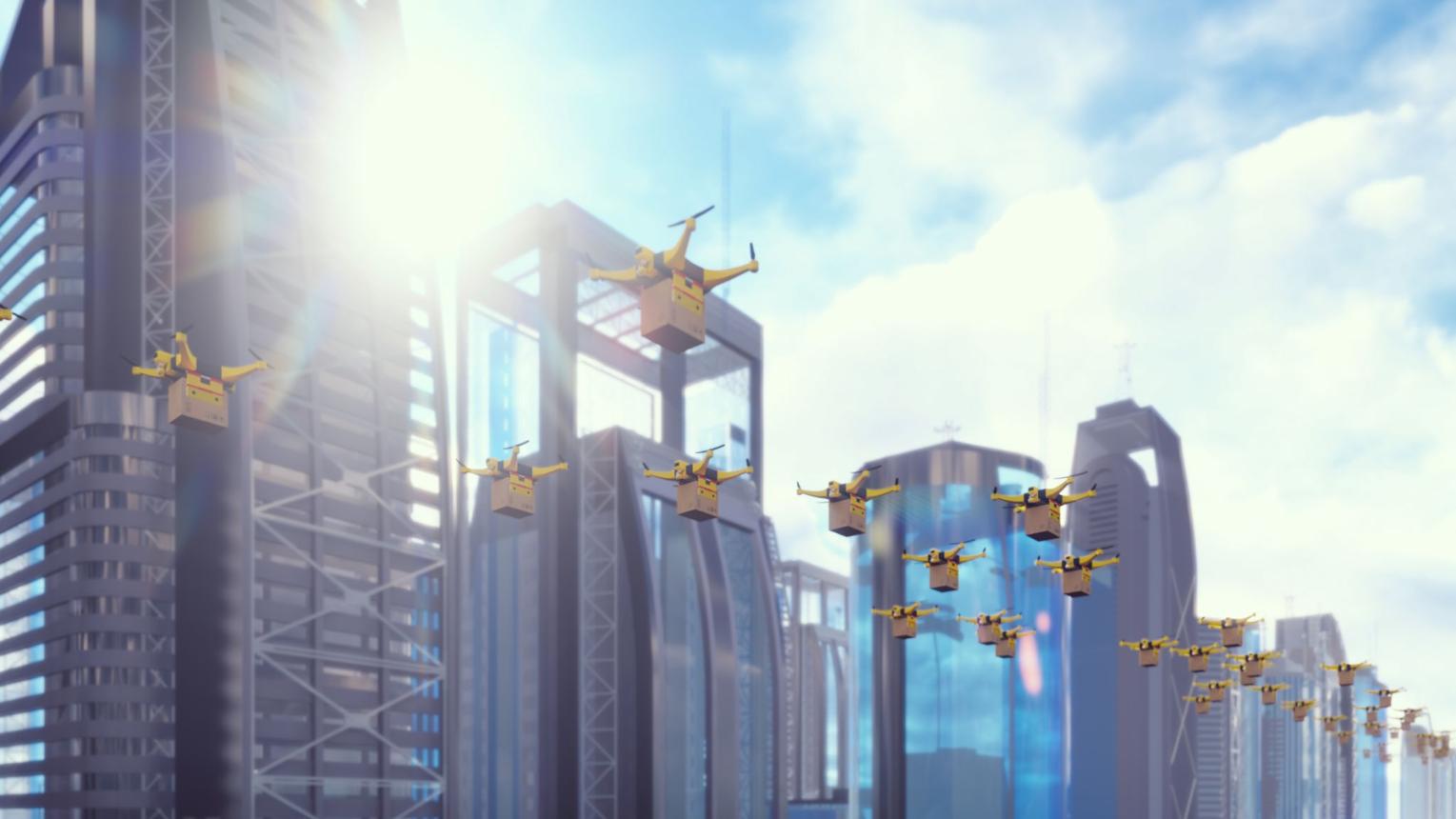
Delivery Drones
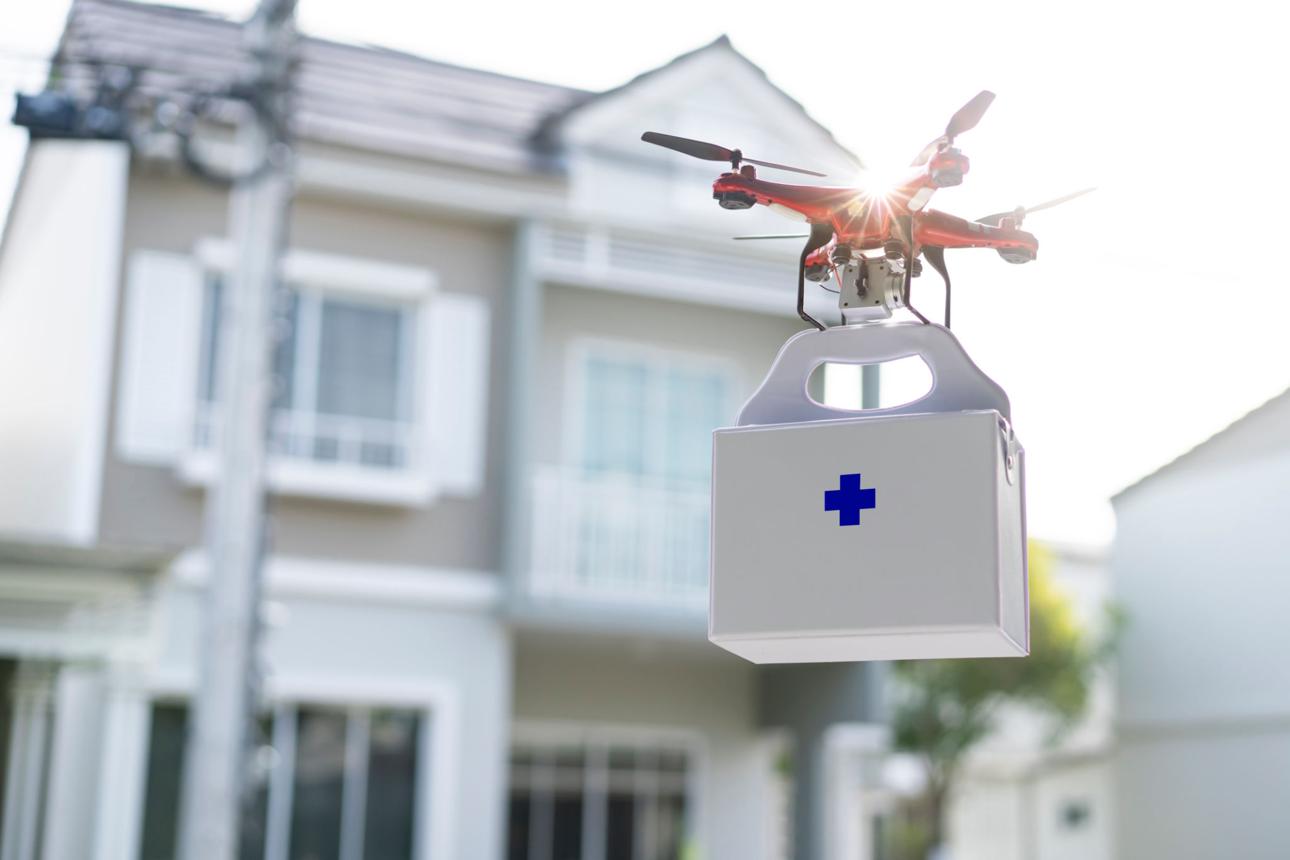
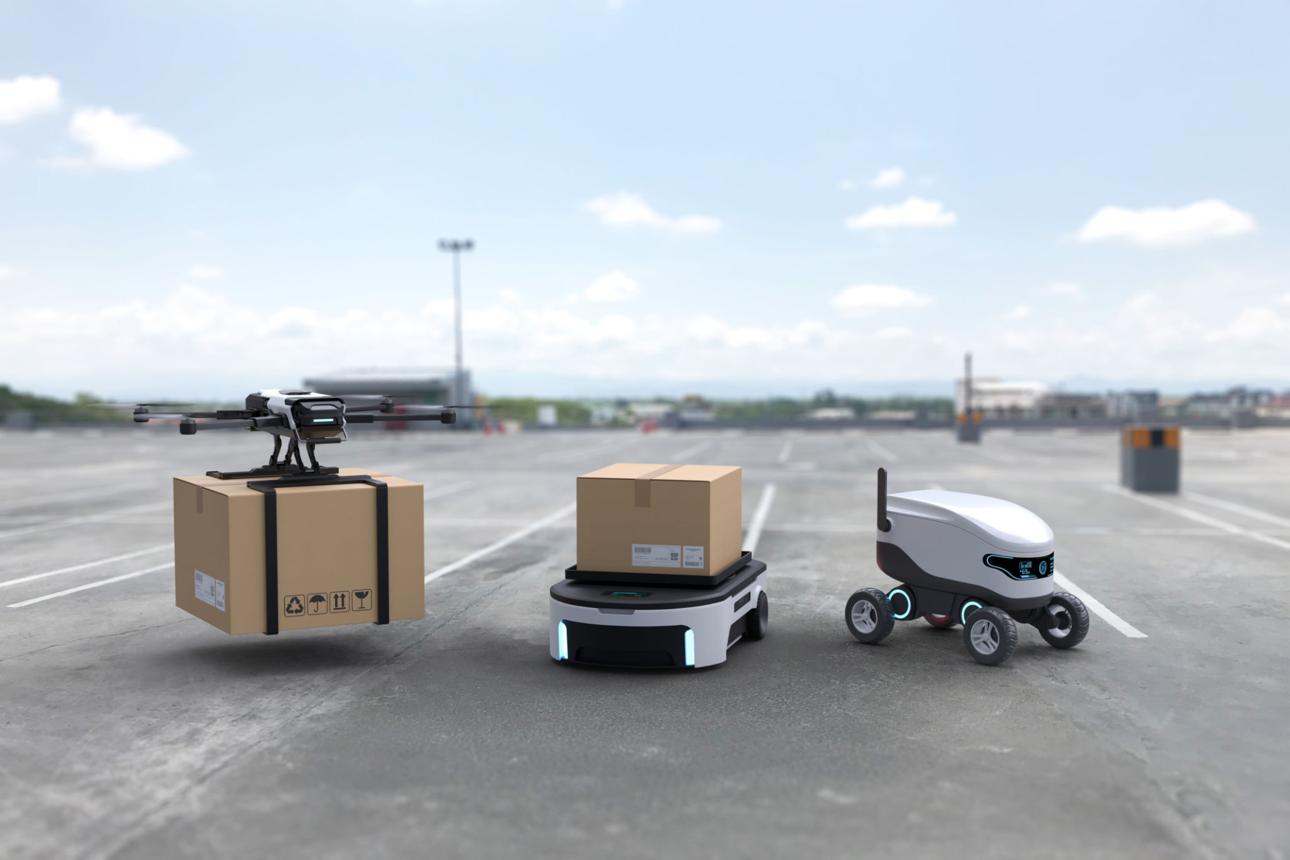
One of the most discussed future applications involves drone delivery systems.
Companies around the world are experimenting with drones capable of transporting:
- Packages
- Food
- Medical supplies
- Emergency equipment
Potential advantages include:
- Faster delivery
- Reduced traffic
- Access to remote areas
- Emergency response support
However, widespread drone delivery still faces major challenges involving:
- Regulations
- Noise
- Safety
- Airspace management
- Infrastructure
Emergency and Rescue Applications
Drones are increasingly helping emergency responders.
Future systems may assist with:
- Search and rescue
- Wildfire monitoring
- Disaster response
- Medical transport
- Flood assessment
Advanced thermal cameras and AI systems may help drones locate missing people far more quickly than traditional search methods. In dangerous environments, drones can often go where humans cannot safely reach.
Agriculture and Environmental Monitoring
Agricultural drones already help farmers:
- Monitor crops
- Analyze soil conditions
- Detect irrigation problems
- Apply treatments precisely
Future agricultural drones may become highly autonomous, operating continuously across large farms with minimal supervision.
Environmental uses may also expand into:
- Wildlife tracking
- Forest monitoring
- Climate research
- Ocean observation
Urban Air Mobility
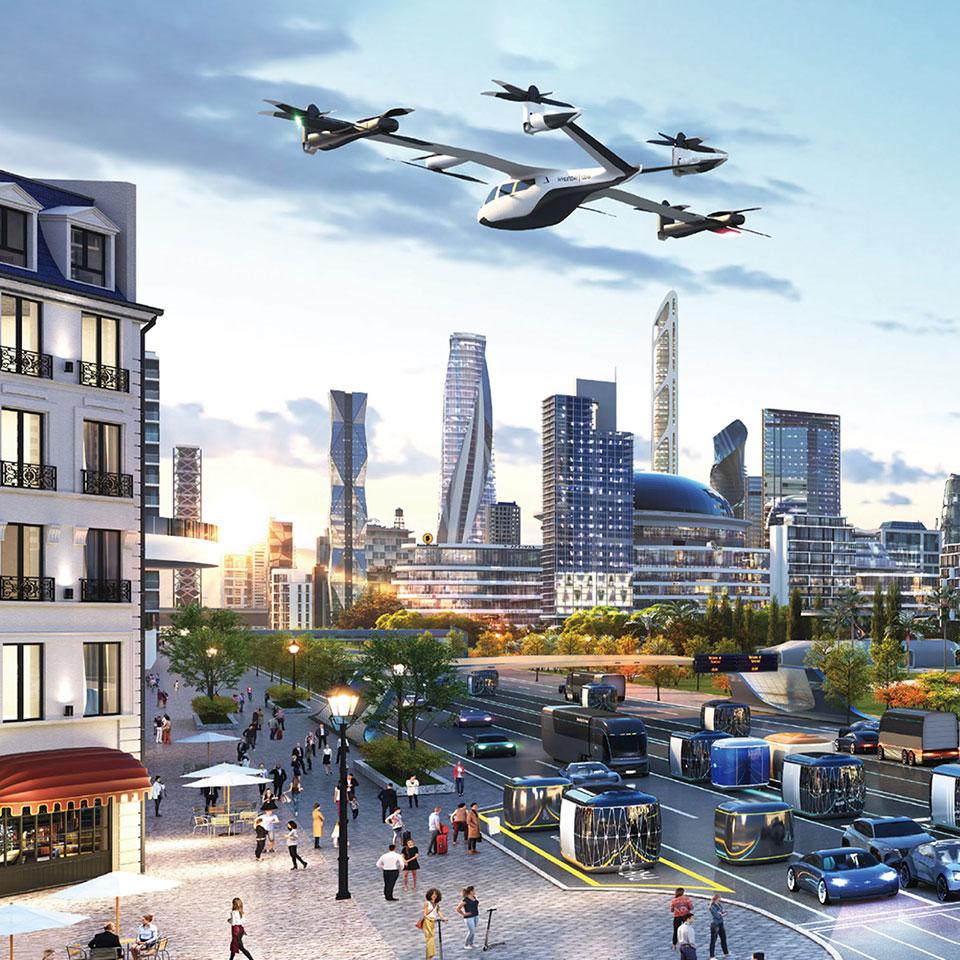
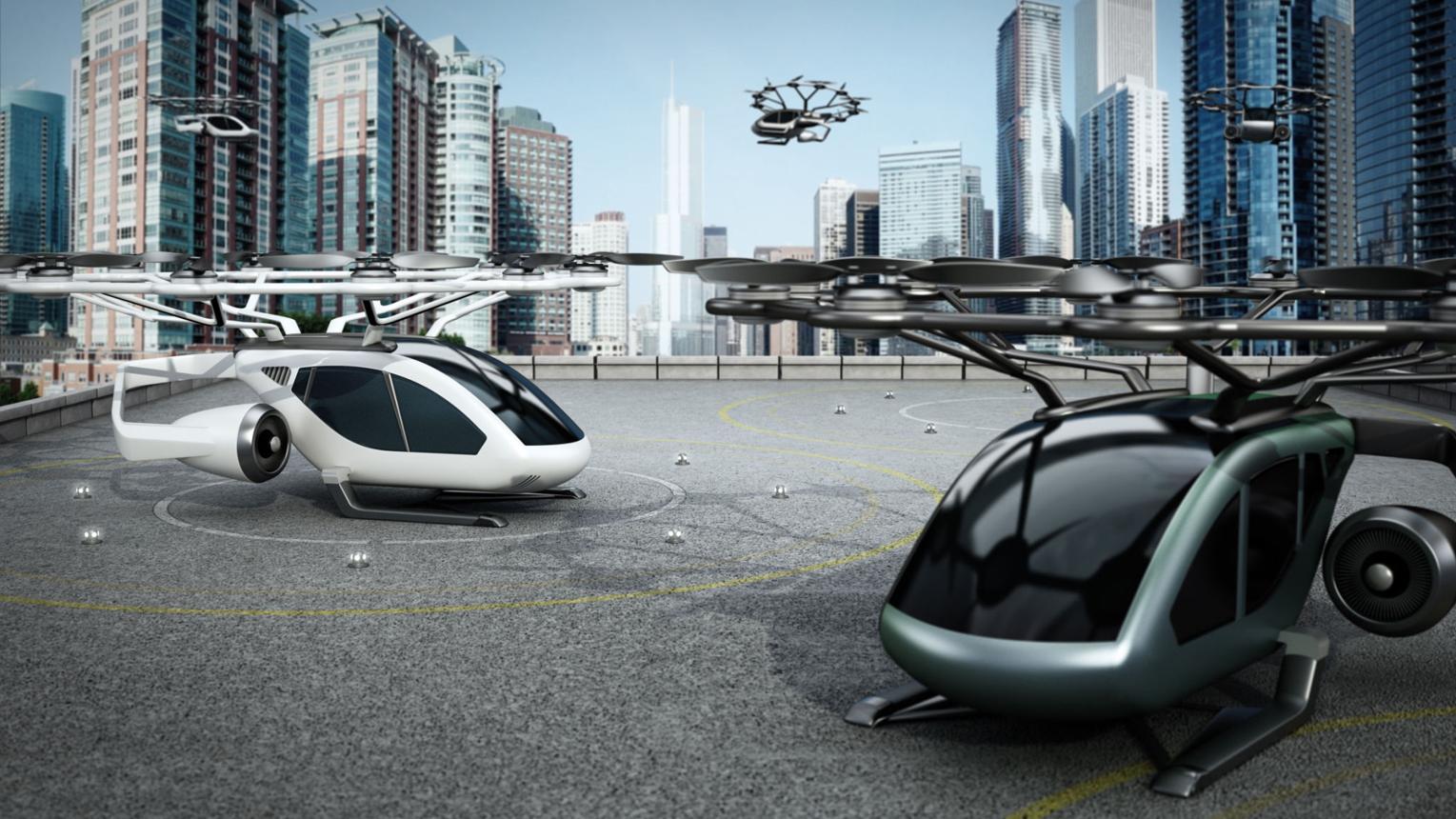
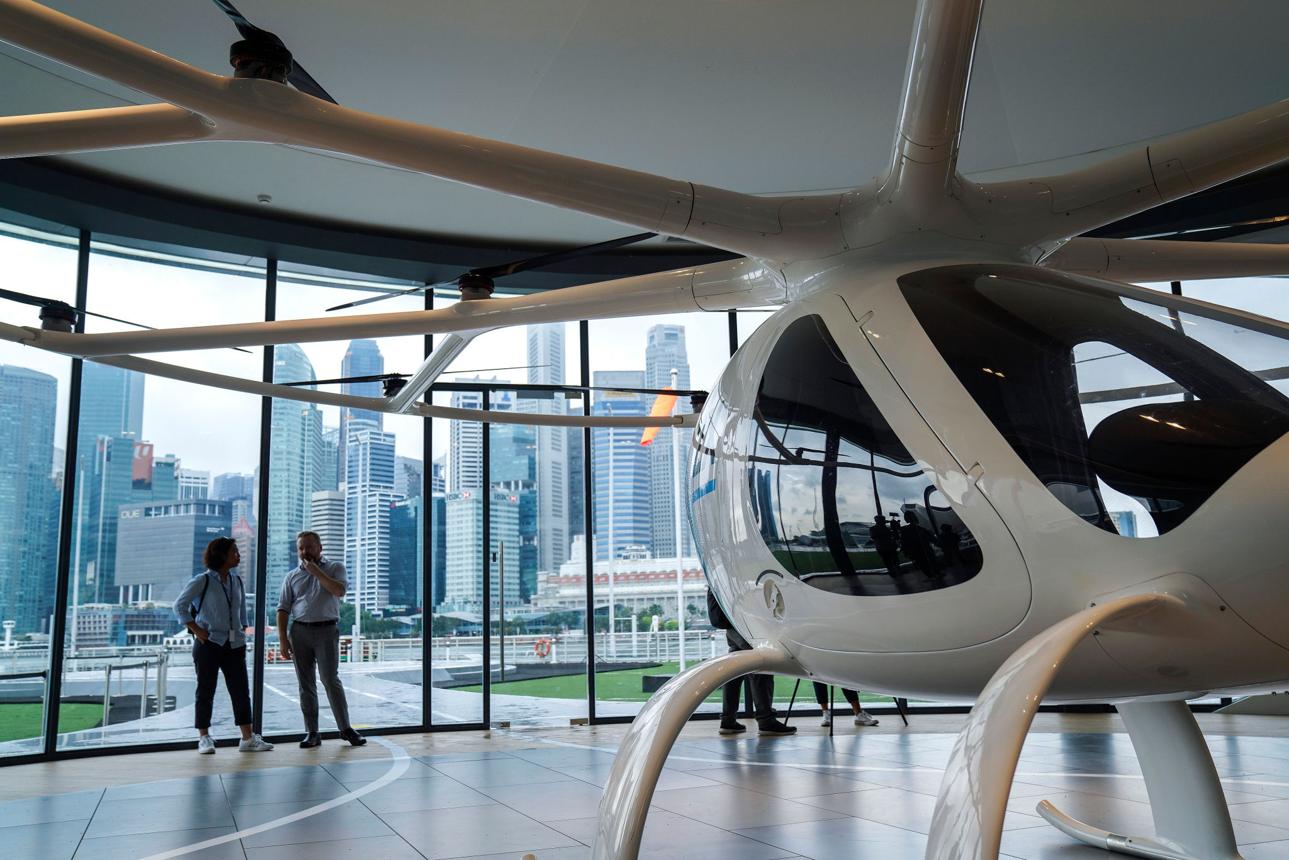
Some companies are developing large drone-like aircraft capable of carrying passengers.
These systems are sometimes called:
- eVTOL aircraft
- Air taxis
- Urban air mobility vehicles
While widespread flying-car systems remain uncertain, many aerospace companies believe short-distance autonomous air transportation may eventually become practical in cities.
Whether these systems become common or remain niche solutions will depend heavily on:
- Infrastructure
- Cost
- Safety
- Public acceptance
Regulation Will Continue Evolving
As drones become more common, regulations will continue changing.
Governments face difficult challenges balancing:
- Innovation
- Privacy
- Safety
- Airspace management
- Commercial interests
Future regulations may involve:
- Expanded Remote ID systems
- Automated traffic coordination
- Geofencing
- Licensing changes
- AI flight oversight
The future of drones will depend heavily on responsible integration into shared airspace.
Privacy Concerns
As drones become more capable, public concerns about privacy will likely increase.
Future debates may involve:
- Surveillance
- Data collection
- Facial recognition
- Autonomous monitoring
Responsible drone culture will remain essential for maintaining public trust.
Technology advances fastest when society feels comfortable accepting it.
Environmental Considerations
Compared to large aircraft, small electric drones are relatively energy efficient.
However, future growth in drone usage raises questions involving:
- Noise pollution
- Battery waste
- Wildlife impact
- Urban congestion
Sustainable drone design may become increasingly important.
The Role of Hobbyists
Hobby drone enthusiasts often help drive innovation.
Many important developments emerged first through:
- Experimentation
- Open-source communities
- DIY builders
- FPV enthusiasts
Hobbyists continue pushing technology forward by:
- Testing new ideas
- Developing creative applications
- Sharing knowledge globally
The future of drones will likely continue being shaped not only by corporations, but also by passionate individuals.
Drones as Creative Tools
As technology improves, drones will become even more powerful creative platforms.
Future creators may produce:
- Fully immersive aerial experiences
- Interactive 3D environments
- AI-assisted filmmaking
- Real-time virtual productions
The ability to capture perspectives from the sky fundamentally changes visual storytelling.
That creative potential is still expanding.
Human Skill Will Still Matter
Even as automation improves, human skill and creativity will remain important.
Technology can assist with:
- Stabilization
- Navigation
- Safety
- Automation
But creativity still depends on:
- Vision
- Judgment
- Emotion
- Artistic decision-making
A drone may eventually fly itself perfectly.
It still takes a human to decide:
- Where to fly
- What matters visually
- What story to tell
The Sky Is Becoming Accessible
Throughout most of history, aerial perspectives were rare and expensive.
Now millions of people can experience flight directly through hobby drones.
This changes not only technology, but also human perspective.
Drones allow ordinary people to:
- Explore landscapes
- Create films
- Learn aviation skills
- Build aircraft
- Experience flight personally
The sky is no longer reserved only for pilots and large machines.
It has become accessible to hobbyists, creators, students, engineers, and explorers.
The Future Is Still Being Written
No one knows exactly where drone technology will go next.
Some predictions will succeed.
Others will disappear.
But one thing is clear:
Drones are no longer a temporary trend.
They are becoming part of:
- Technology
- Creativity
- Industry
- Recreation
- Everyday life
And for hobbyists entering the field today, this is still only the beginning. The future of drones will not simply be watched from the ground. It will be built, flown, and imagined by the people passionate enough to explore what is possible in the skies above them.