From The Hobby Drone Handbook by Stan Gold · Hobbies
Chapter 10 — From Pilot to Creator
Published
From Pilot to Creator
For many hobbyists, flying drones is only the beginning. Eventually curiosity takes over.
Pilots begin asking questions like:
- How does this drone actually work?
- Why does one drone fly differently than another?
- Can I make mine faster?
- Can I improve flight time?
- What happens if I build one myself?
This curiosity leads many people into one of the most rewarding areas of the hobby:
building and customizing drones. Some pilots start with small upgrades:
- Better propellers
- Larger batteries
- Camera improvements
Others eventually assemble entire drones from individual components, learning electronics, soldering, firmware configuration, and tuning along the way.
Building drones transforms the hobby into something deeper than simply operating a product. It creates a stronger understanding of:
- Flight dynamics
- Electronics
- Engineering
- Problem-solving
- Mechanical design
For many enthusiasts, the process of building becomes just as satisfying as flying.
Why People Build Drones
At first glance, building a drone may seem unnecessary because ready-to-fly models are widely available.
But custom-built drones offer major advantages:
- Personalization
- Better repairability
- Specialized performance
- Lower long-term cost
- Technical learning
- Greater upgrade flexibility
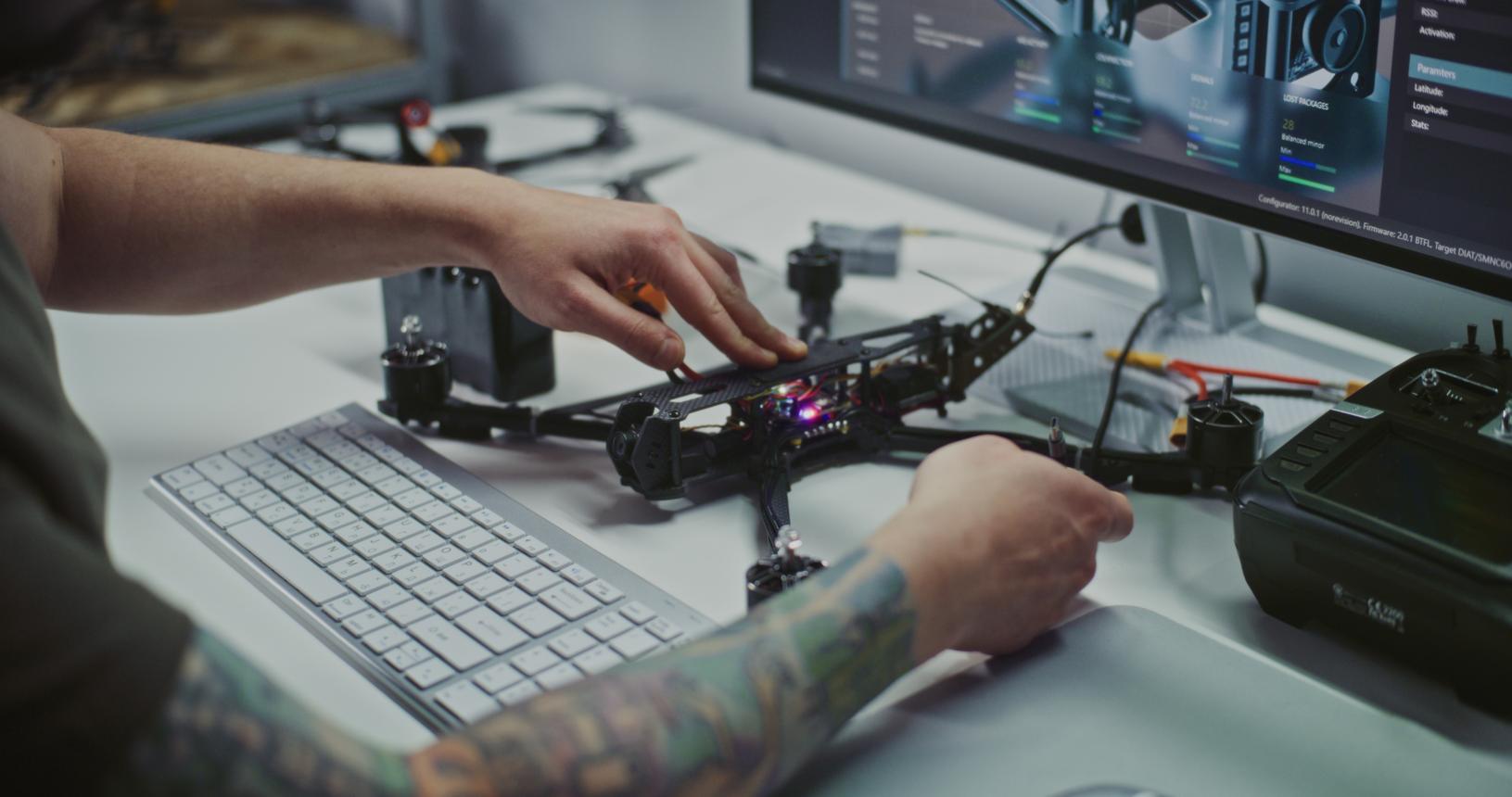
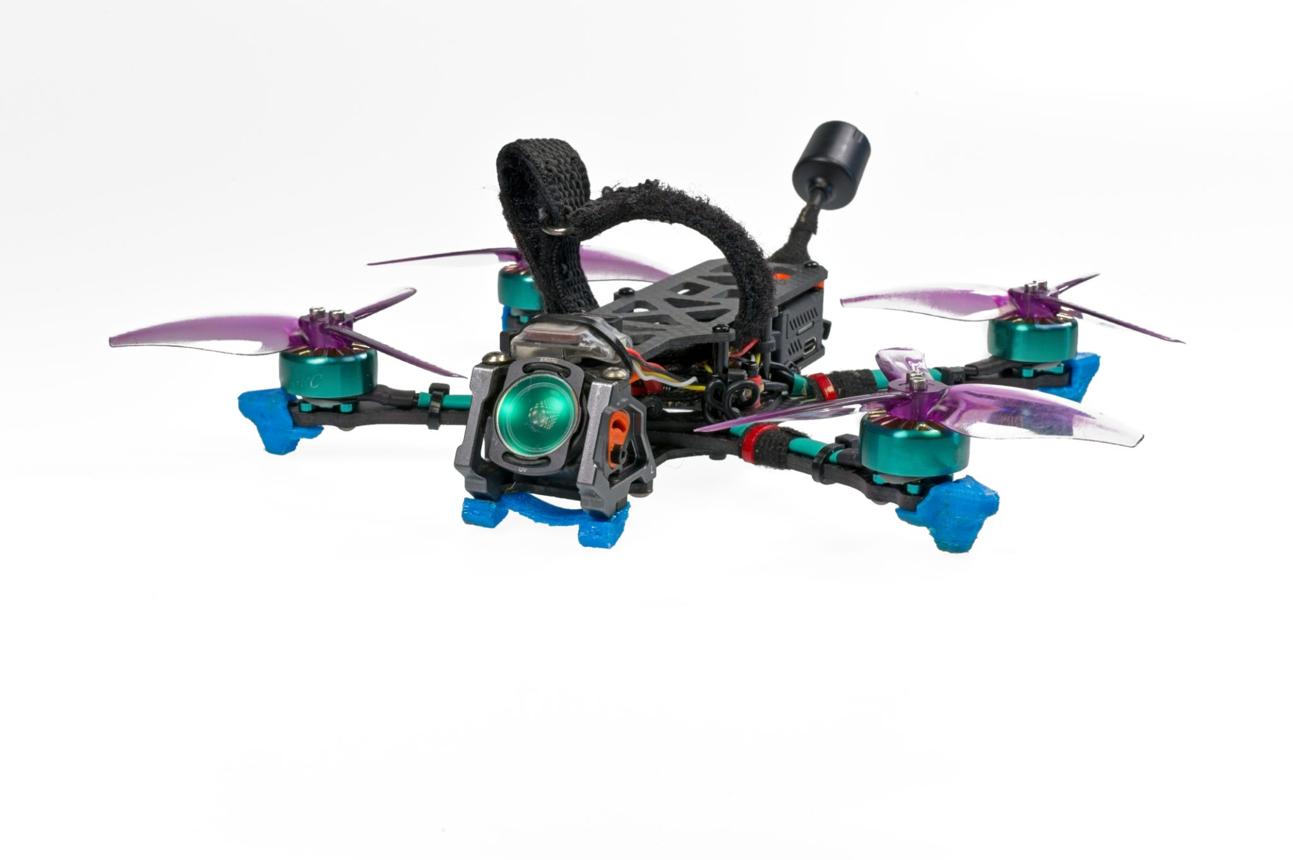
Many pilots also enjoy the satisfaction of flying something they created themselves.
A self-built drone feels personal in a way store-bought equipment often does not.
Understanding the Core Components
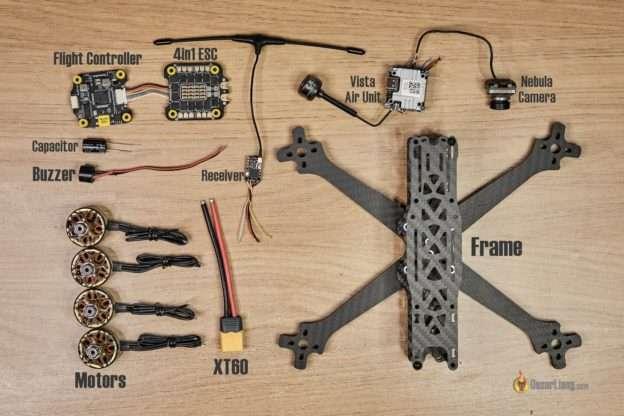
Every drone consists of several major systems working together.
Understanding these components is the foundation of drone building.
The Frame
The frame acts as the drone’s skeleton.
It supports:
- Motors
- Electronics
- Batteries
- Cameras
- Antennas
Frames vary greatly depending on purpose.
Racing Frames
Racing frames prioritize:
- Lightweight construction
- Speed
- Agility
- Durability
They are usually compact and aggressive in design.
Cinematic Frames
Cinematic drones often use slightly larger frames to support:
- Smoother flight
- Better cameras
- Stable handling
- Longer flight times
Long-Range Frames
Long-range drones emphasize:
- Efficiency
- Battery capacity
- Stability
- Endurance
Different frame styles dramatically affect flight behavior.
Carbon Fiber Construction
Most modern FPV frames use carbon fiber because it is:
- Lightweight
- Strong
- Rigid
Carbon fiber survives crashes surprisingly well, making it ideal for hobby drones.
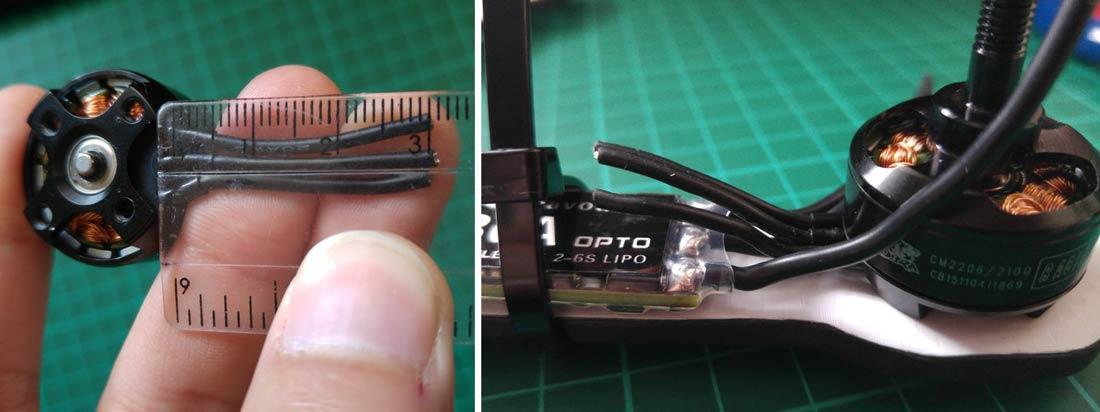
Motors
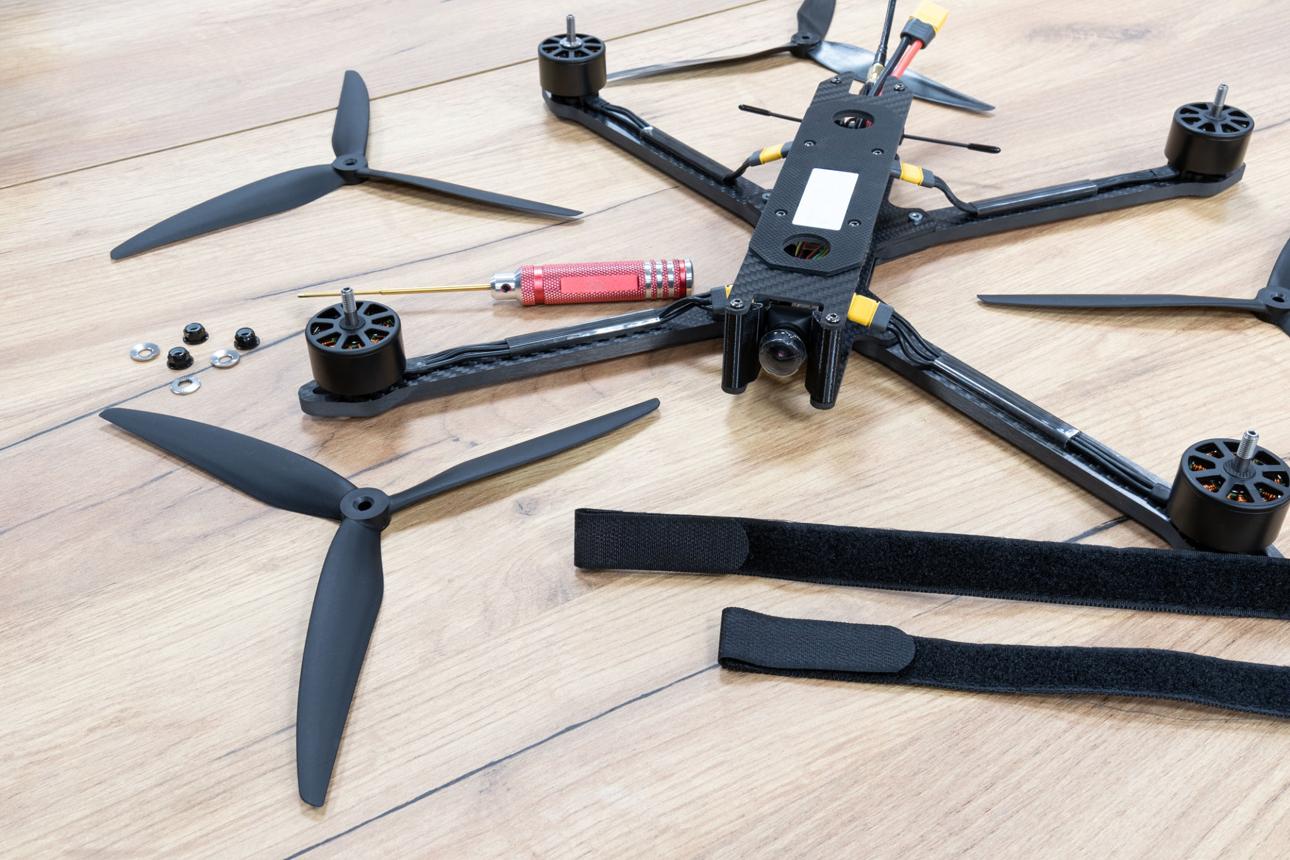
Motors generate thrust and strongly influence drone performance.
Motor selection affects:
- Speed
- Efficiency
- Torque
- Battery consumption
- Responsiveness
Understanding Motor Size
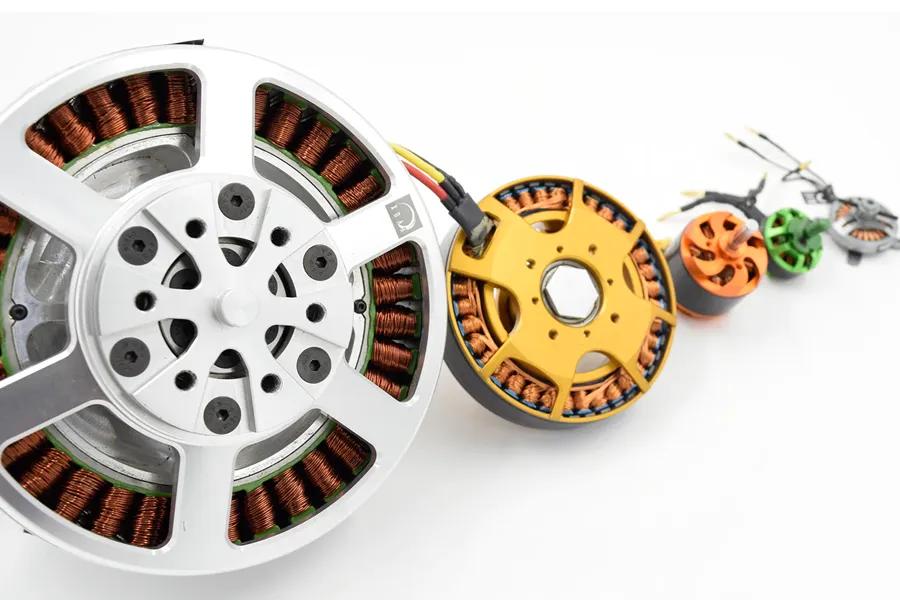
Drone motors are usually labeled with numbers indicating:
- Diameter
- Height
Larger motors generally provide:
- More power
- Greater efficiency
- Better lift capacity
Smaller motors typically:
- Respond faster
- Weigh less
- Improve agility
Choosing motors involves balancing:
- Power
- Efficiency
- Weight
- Intended use
Propellers
Propellers dramatically influence flight characteristics.
Small changes in:
- Diameter
- Pitch
- Blade count
can significantly affect performance.
Two-Blade Propellers
Two-blade props are often:
- Efficient
- Smooth
- Quiet
Three-Blade Propellers
Three-blade props usually provide:
- Better grip
- Faster response
- More control
but may reduce efficiency slightly.
FPV pilots often experiment with different propellers to match personal flying styles.
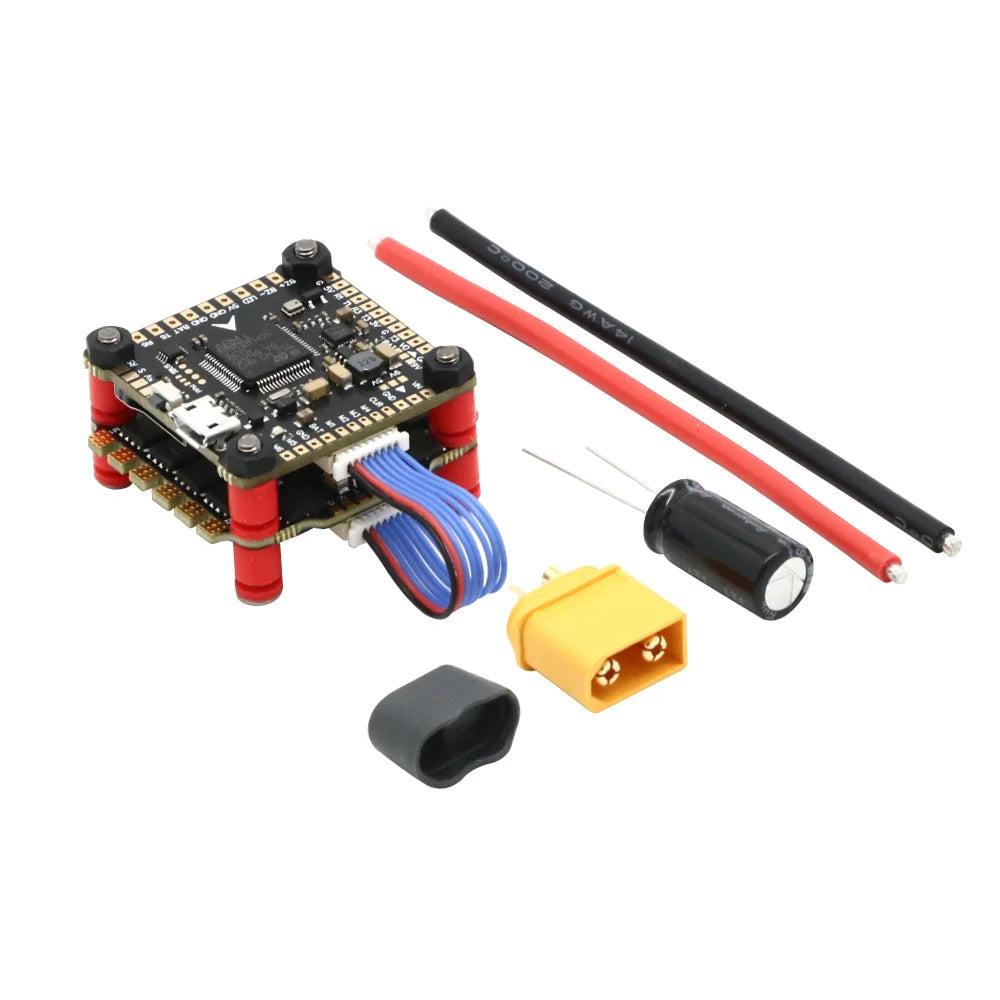
Electronic Speed Controllers (ESCs)
ESCs regulate motor speed based on commands from the flight controller.
Each motor requires its own ESC channel.
Modern ESCs respond extremely quickly, allowing precise control during:
- Racing
- Freestyle flying
- Cinematic maneuvers
High-quality ESCs improve:
- Reliability
- Smoothness
- Durability
Flight Controllers
The flight controller is the drone’s central computer.
It processes:
- Pilot inputs
- Sensor data
- Stabilization calculations
and then commands the motors accordingly.
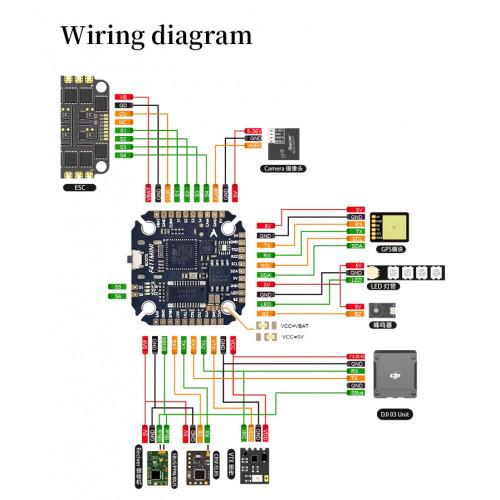
Popular flight controller firmware platforms include:
- Betaflight
- INAV
- ArduPilot
Each platform serves different flying styles and capabilities.
Batteries
Battery selection strongly affects:
- Flight time
- Power delivery
- Weight
- Agility
Most FPV drones use LiPo batteries with different voltage configurations such as:
- 4S
- 6S
Higher voltage systems generally provide:
- More power
- Faster motor response
- Improved efficiency
But they also require compatible electronics and careful handling.
FPV Systems
FPV drones require additional components for video transmission.
These include:
- FPV camera
- Video transmitter
- Antennas
- Goggles or receivers
Signal quality depends heavily on:
- Antenna placement
- Transmission power
- Environmental interference
Good antenna setup dramatically improves flying reliability.
GPS Modules
Some custom drones include GPS systems for:
- Return-to-home
- Speed tracking
- Navigation
- Rescue features
While many racing drones fly without GPS, cinematic and long-range builds often include it for safety and convenience.
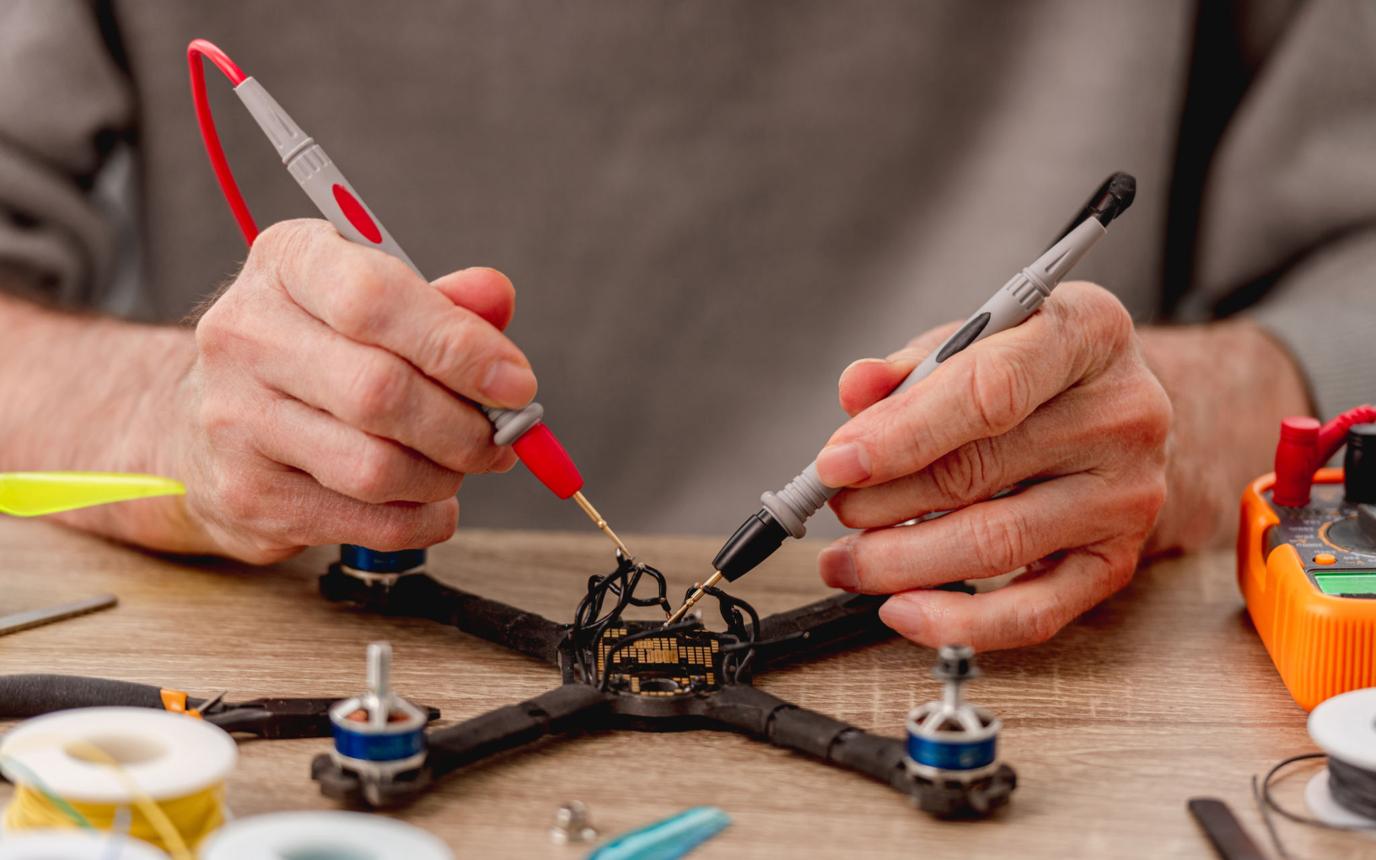
Soldering — A Core Skill
Building drones almost always requires soldering.
This initially intimidates many beginners, but soldering becomes easier with practice.
Common soldering tasks include:
- Connecting motors
- Wiring ESCs
- Installing receivers
- Power connections
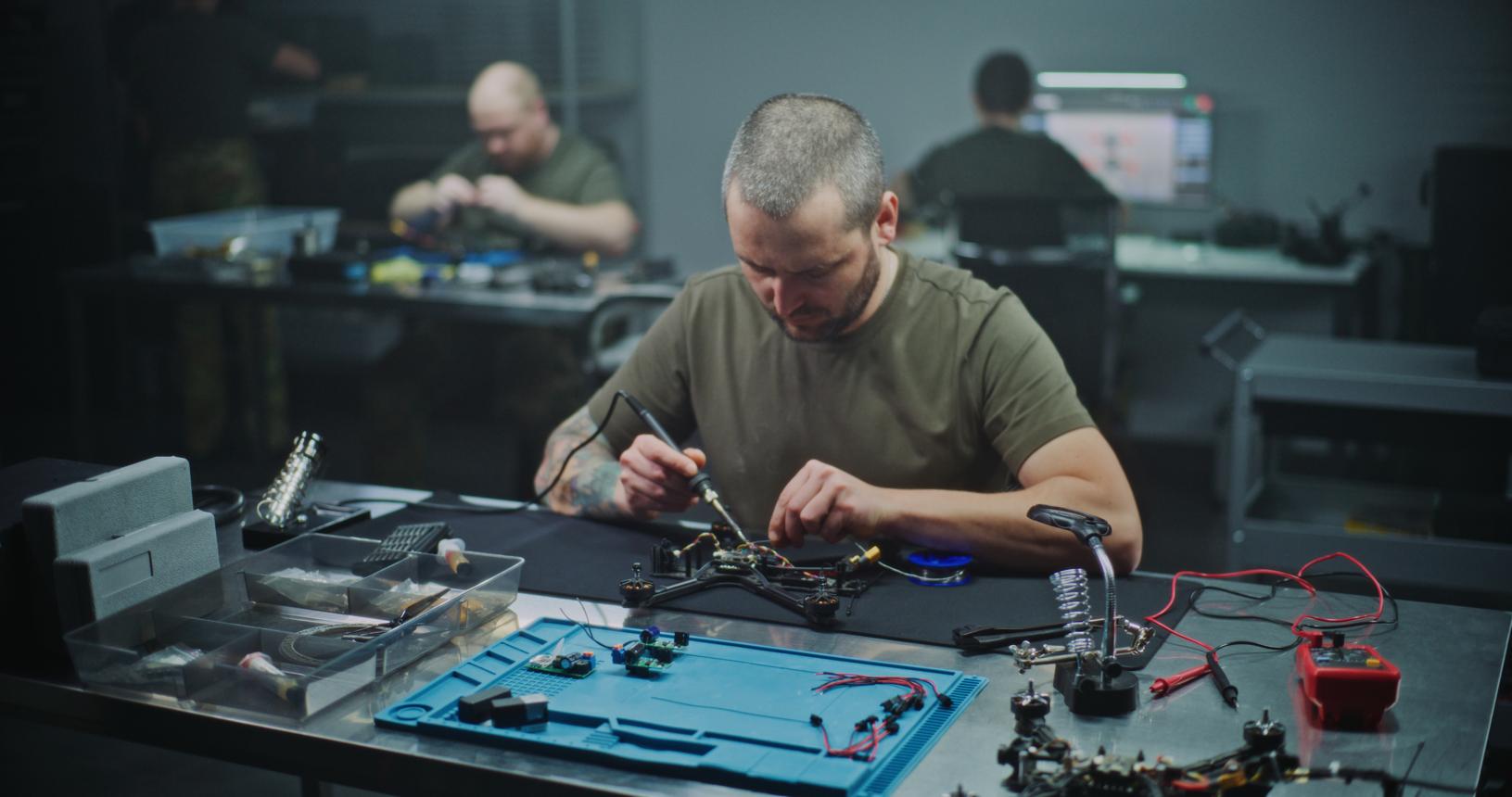
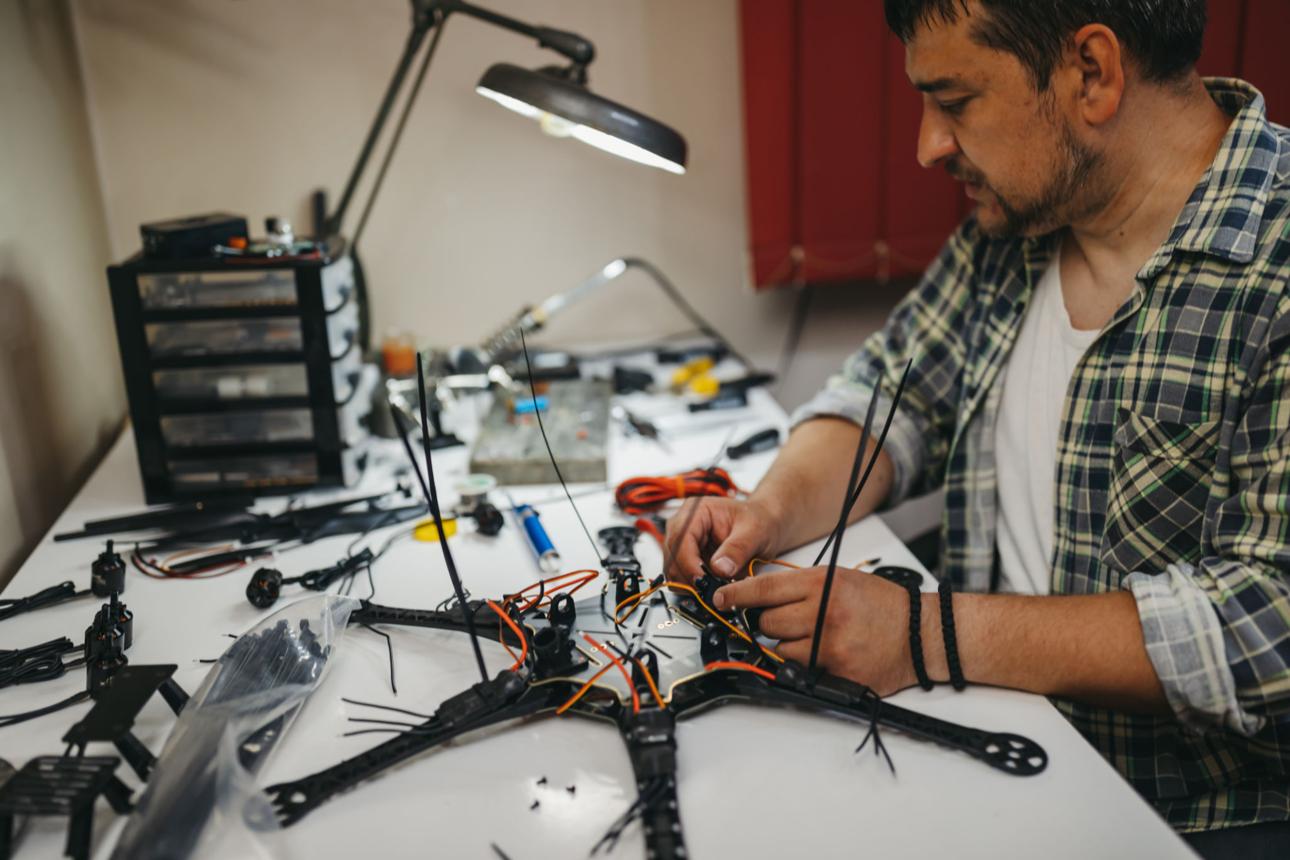
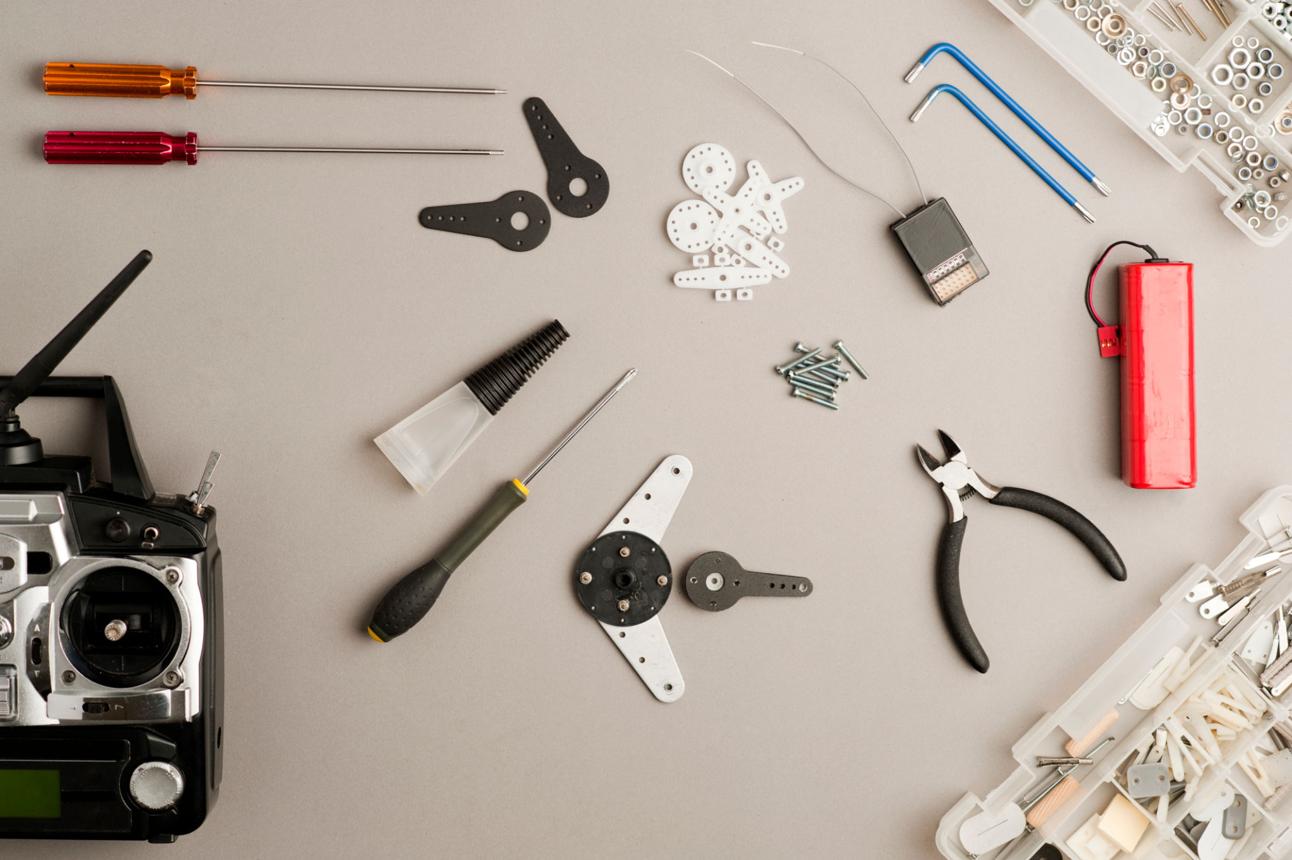
Good solder joints are:
- Clean
- Secure
- Reliable
Poor soldering can cause:
- Signal issues
- Power failures
- Mid-flight shutdowns
Patience and precision matter.
Wiring and Cable Management
Messy wiring creates problems.
Experienced builders carefully organize:
- Power cables
- Signal wires
- Antennas
- Battery leads
Good cable management:
- Improves reliability
- Simplifies repairs
- Reduces electrical noise
- Prevents damage during crashes
Clean builds are easier to troubleshoot and maintain.
Firmware and Configuration
Once assembled, drones require software configuration.
This includes:
- Calibrating sensors
- Mapping controller inputs
- Configuring flight modes
- Adjusting motor direction
- Tuning flight behavior
Modern firmware tools make configuration much easier than in the early days of FPV.
Still, setup requires careful attention.
Tuning Flight Performance
Custom drones can be tuned to fly very differently.
Pilots adjust settings such as:
- Responsiveness
- Stability
- Throttle feel
- Filtering
- Motor behavior
Tuning affects how the drone feels in the air.
Some pilots prefer:
- Sharp aggressive response
Others prefer:
- Smooth cinematic handling
Fine-tuning is part engineering and part personal preference.
The First Custom Build
Most builders remember their first successful custom drone flight vividly.
There is a special satisfaction in:
- Designing
- Building
- Troubleshooting
- Flying
something entirely self-assembled.
The first hover may feel more rewarding than flying a factory-built drone because every component choice reflects your own work and decisions.
Crashes Become Less Scary
One advantage of understanding drone construction is confidence during repairs.
Pilots who build their own drones usually fear crashes less because they know:
- How the drone works
- How to replace damaged parts
- How to troubleshoot problems
Instead of feeling helpless after damage, builders view repairs as part of the hobby.
Troubleshooting Skills
Building teaches valuable diagnostic thinking.
Problems may involve:
- Bad solder joints
- Loose connectors
- Firmware settings
- Damaged ESCs
- Signal interference
- Motor failures
Troubleshooting develops:
- Patience
- Logical thinking
- Technical confidence
These skills often transfer into other technical hobbies and careers.
Budget vs Premium Components
Drone building allows flexibility across many budgets.
Budget components may:
- Reduce cost
- Increase accessibility
Premium components may provide:
- Better durability
- Improved efficiency
- Higher reliability
- Better flight feel
Not every build needs the most expensive parts.
Good pilots often create excellent drones using carefully selected mid-range components.
Customization Never Really Ends
Many hobbyists discover that drone customization becomes addictive.
Pilots constantly experiment with:
- New propellers
- Different motors
- Improved cameras
- Antenna designs
- Firmware updates
- Lightweight parts
Every modification slightly changes flight characteristics.
This constant experimentation keeps the hobby fresh and engaging.
The Maker Mindset
Drone building connects strongly with maker culture.
Builders enjoy:
- Experimentation
- Creativity
- Problem-solving
- Engineering challenges
A custom drone becomes more than a product.
It becomes:
- A project
- A learning experience
- A reflection of personal style
Learning Through Failure
No builder gets everything right immediately.
Mistakes happen:
- Wiring errors
- Burned electronics
- Incorrect firmware settings
- Poor solder joints
Failure is part of the learning process.
Most experienced builders learned through:
- Crashes
- Repairs
- Troubleshooting
- Rebuilding
Persistence matters more than perfection.
Community Knowledge
One of the best aspects of drone building is the willingness of the community to share information.
Builders constantly exchange:
- Tutorials
- Wiring diagrams
- Tuning advice
- Repair techniques
- Build recommendations
Online forums, YouTube channels, and FPV communities make learning dramatically easier than it once was.
From Hobbyist to Engineer
Many people discover unexpected technical interests through drone building.
The hobby introduces concepts involving:
- Aerodynamics
- Electronics
- Radio communication
- Software configuration
- Mechanical design
Some enthusiasts eventually pursue:
- Engineering careers
- Robotics
- Aviation technology
- Filmmaking
- Product design
A simple hobby can open entirely new educational and professional paths.
Building Creates Understanding
Flying teaches control.
Photography teaches creativity.
Building teaches understanding.
Once you assemble your own drone, you begin seeing every aircraft differently.
You understand:
- Why certain drones fly better
- Why some systems fail
- How tuning affects movement
- Why component quality matters
The drone stops feeling like a mysterious machine and starts feeling like something understandable and customizable.
The Hobby Gets Deeper
For many people, building and customizing drones becomes the point where casual interest turns into long-term passion.
Because once you realize you can:
- Design
- Modify
- Improve
- Repair
- Personalize
your own aircraft…
the hobby becomes nearly limitless.
In the next chapter, we will explore the growing future of drones — including emerging technology, autonomous flight, AI systems, delivery drones, regulations, and how hobby drones may evolve in the years ahead.