From The Hobby Drone Handbook by Stan Gold · Hobbies
Chapter 13 — Advanced Flying Skills and Techniques
Published
Reaching the Next Level
At some point, every drone pilot notices a change.
Basic flight no longer feels difficult.
Takeoffs become routine.
Landings become smooth.
Orientation becomes instinctive.
The drone begins to feel less like a machine you control and more like an extension of your awareness.
This is the stage where pilots often become hungry for something more:
- More precision
- More confidence
- More complex maneuvers
- More cinematic control
- More technical mastery
Advanced flying is not about reckless stunts or showing off.
True skill is defined by:
- Precision
- Consistency
- Smoothness
- Awareness
- Judgment
This chapter explores the techniques and habits that help experienced hobbyists become highly capable drone pilots.
Precision Over Aggression
One of the biggest misconceptions in drone culture is that advanced flying means flying dangerously or aggressively.
In reality, the best pilots are often the smoothest and most controlled.
Advanced pilots:
- Make fewer corrections
- Anticipate movement earlier
- Fly with deliberate intention
- Maintain spatial awareness constantly
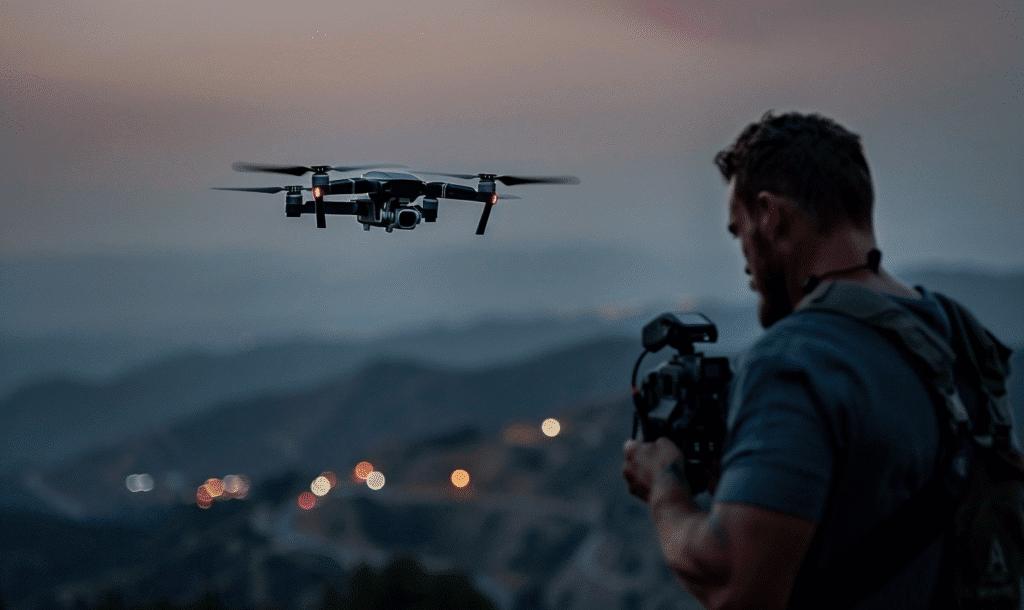
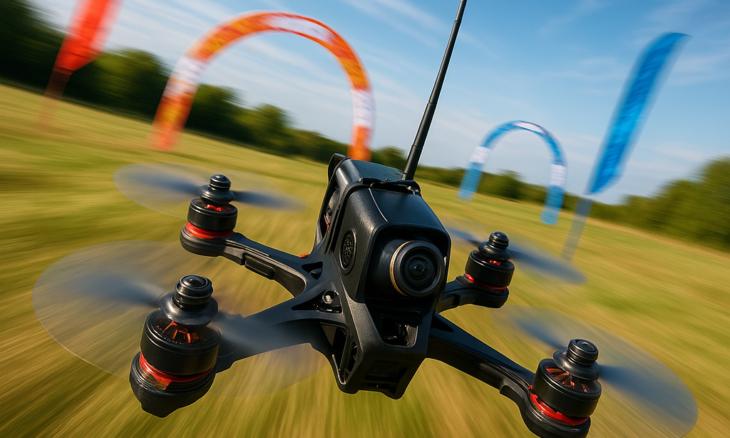
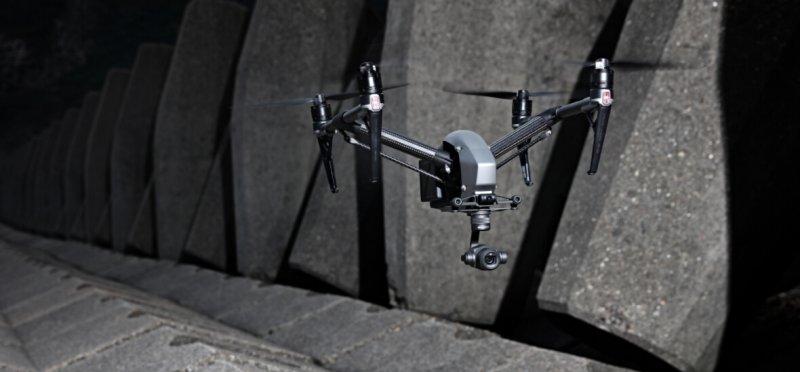
Anyone can move sticks aggressively. Precision is much harder.
Understanding Flight Flow
Advanced pilots stop thinking in isolated movements. Instead, they begin linking maneuvers together into smooth continuous motion. This concept is often called flow.
Flow means:
- Turns connect naturally
- Speed changes feel intentional
- Camera movement remains smooth
- Directional transitions appear effortless
Whether flying cinematic drones or FPV aircraft, flow creates professional-looking flight.
Energy Management
Drone movement involves momentum and energy. Experienced pilots learn how to:
- Carry speed efficiently
- Use momentum during turns
- Control altitude changes smoothly
- Minimize abrupt corrections
This is especially important in FPV flying, where maintaining smooth energy flow improves:
- Efficiency
- Stability
- Visual quality
- Racing performance
Advanced Yaw Control
Yaw control — rotating the drone left or right — dramatically affects cinematic quality. Beginners often yaw too quickly or inconsistently. Advanced pilots use:
- Slow controlled yaw
- Gradual rotational movement
- Coordinated turns
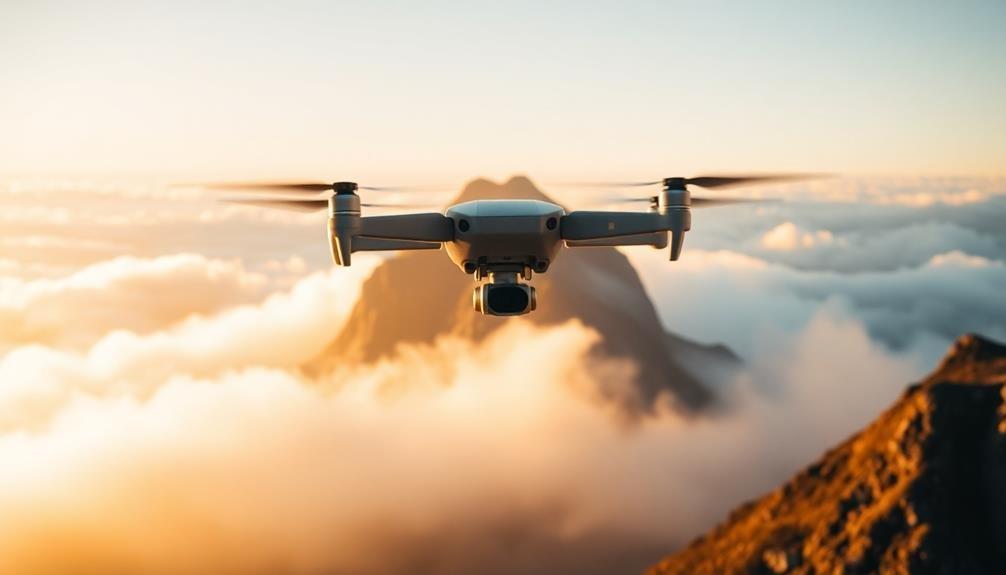
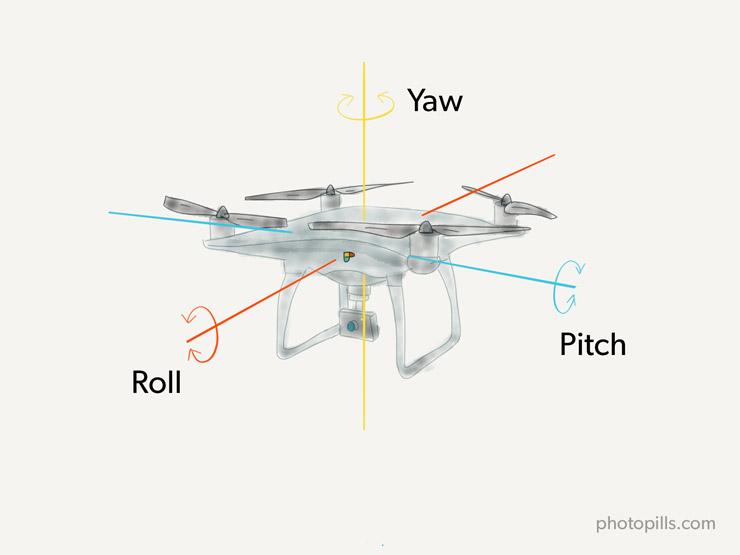
Good yaw control creates:
- Fluid orbits
- Cinematic reveals
- Smooth tracking sequences
Small yaw adjustments often make footage feel dramatically more polished.
Coordinated Turns
Coordinated turns combine:
- Roll
- Yaw
- Throttle
- Pitch
into smooth unified movement.
In advanced flight, pilots rarely move only one control input at a time. Instead, they blend inputs naturally. This creates:
- Better visual flow
- More realistic motion
- Improved efficiency
Coordinated movement is one of the clearest signs of experienced flying.
Flying Close to Objects
Advanced pilots often fly near:
- Trees
- Structures
- Terrain
- Water
- Narrow gaps
This requires:
- Precision
- Confidence
- Situational awareness
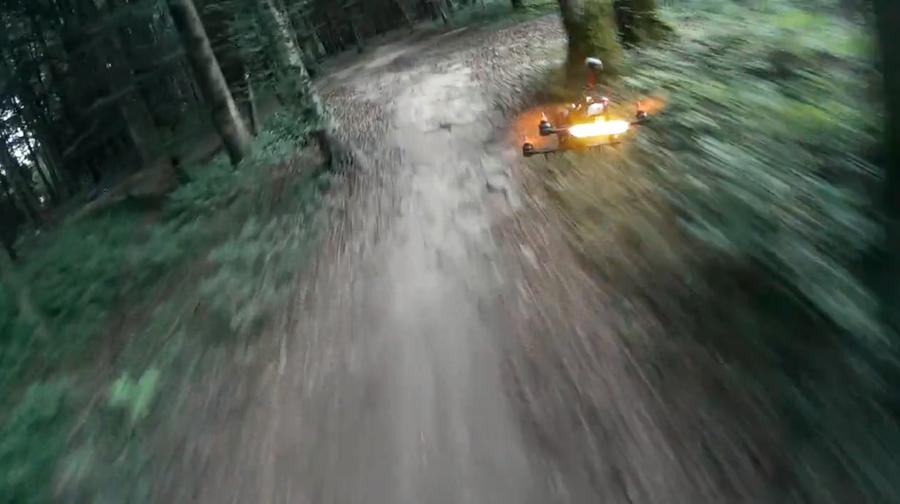
However, proximity flying also increases risk significantly. Good pilots maintain:
- Escape routes
- Safe margins
- Awareness of signal quality
- Respect for consequences
Advanced flying is not about eliminating risk.It is about managing risk intelligently.
Terrain Following
Terrain-following flight involves maintaining smooth distance above changing ground elevation. This creates dynamic cinematic movement because the drone appears to glide naturally with the landscape. Terrain-following skills require:
- Fine throttle control
- Altitude awareness
- Predictive thinking
This technique is widely used in:
- Travel filmmaking
- Mountain cinematography
- FPV exploration
Split-S Maneuvers and Diving
FPV pilots often perform advanced aerobatic maneuvers such as:
- Power loops
- Split-S turns
- Matty flips
- Diving descents
These maneuvers demand:
- Timing
- Orientation control
- Precise throttle management
High-speed diving especially requires confidence and discipline because visual speed increases dramatically during descent.
Recovering Smoothly
Advanced pilots are not defined by never making mistakes. They are defined by:
- Recovering calmly
- Correcting smoothly
- Avoiding panic inputs
When something unexpected happens, experienced pilots:
- Slow down mentally
- Reestablish orientation
- Prioritize stability first
Panic causes most crashes. Calmness prevents them.
Advanced Camera Control
Skilled drone cinematography requires simultaneous control of:
- Aircraft position
- Speed
- Rotation
- Camera angle
This becomes especially challenging during:
- Tracking shots
- Reveal shots
- Orbit sequences
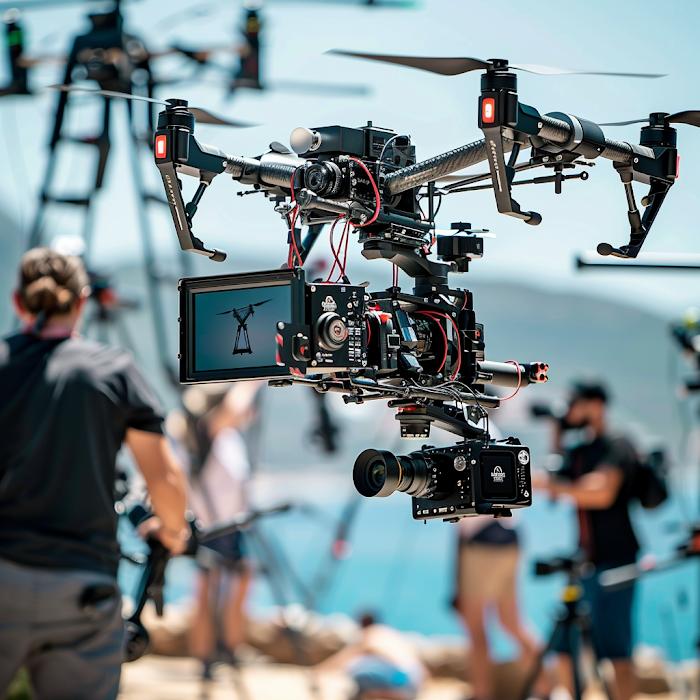
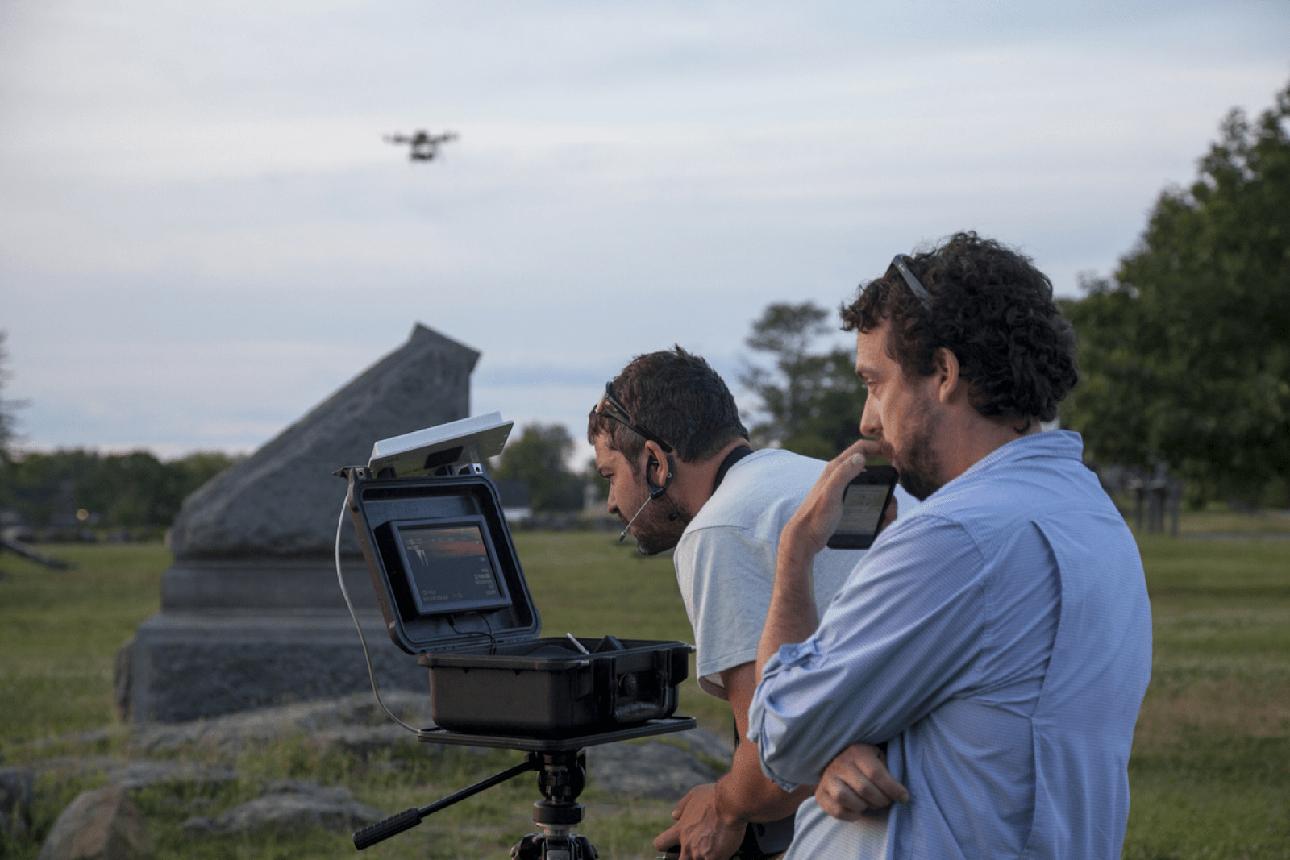
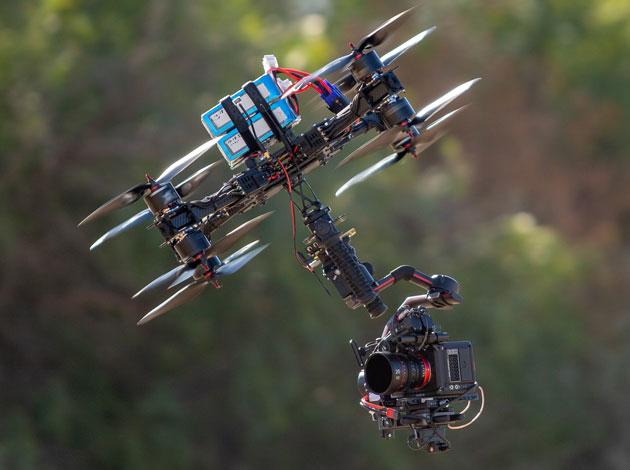
Professional-looking footage often depends more on camera coordination than raw flying speed.
Flying in Complex Environments
Advanced pilots gradually learn how different environments affect flight.
Coastal Flying
Coastal areas introduce:
- Strong wind shifts
- Salt exposure
- Turbulence near cliffs
- Rapid weather changes
Beautiful footage often comes with additional challenges.
Mountain Flying
Mountains can create:
- Unpredictable wind
- GPS interference
- Sudden downdrafts
- Signal blockage
Altitude also affects battery and motor performance.
Urban Flying
Urban environments introduce:
- Interference
- Tight spaces
- Reflection issues
- Signal multipath problems
Cities demand heightened situational awareness and legal caution.
Flying at Speed
Fast flying requires much more than bravery. At higher speeds:
- Reaction time decreases
- Obstacles appear suddenly
- Turning radius increases
- Battery drain accelerates
Advanced speed control involves:
- Looking ahead continuously
- Planning flight paths early
- Managing momentum smoothly
Experienced pilots often appear calmer at high speed because they are mentally planning farther ahead.
Learning Line Selection
FPV racers and cinematic pilots both think heavily about “lines.” A flight line refers to the path the drone follows through space. Good lines are:
- Smooth
- Efficient
- Predictable
- Visually pleasing
Poor lines waste energy and create awkward motion. Line selection is one of the biggest differences between intermediate and advanced pilots.
Managing Adrenaline
High-speed or technical flying creates adrenaline. This can improve focus temporarily, but excessive adrenaline causes:
- Overcorrection
- Tunnel vision
- Impulsive decisions
Advanced pilots learn emotional control. Calm flying is usually better flying.
Flying in Manual Mode Confidently
For FPV pilots, true advanced flight generally means complete confidence in Acro mode. This includes:
- Controlled inverted movement
- Precise throttle management
- Complex directional transitions
- Recovery from unusual orientations
Manual control creates maximum freedom, but also maximum responsibility.
Antenna Awareness and Signal Positioning
Advanced pilots constantly think about signal quality during flight.
They monitor:
- Terrain blocking
- Antenna orientation
- Interference sources
- Video breakup
Signal management becomes especially important during:
- Long-range flying
- Urban exploration
- Low-altitude terrain flight
Advanced Battery Strategy
Experienced pilots pay close attention to battery behavior. They monitor:
- Voltage sag
- Temperature
- Current draw
- Efficiency
Aggressive flying drains batteries far faster than smooth controlled movement. Advanced battery management improves:
- Safety
- Performance
- Battery lifespan
Building Flight Consistency
Many beginners occasionally perform impressive maneuvers accidentally. Advanced skill means performing them:
- Repeatedly
- Predictably
- Smoothly
Consistency matters more than isolated success. True mastery appears when a pilot can reproduce high-quality flight reliably under varying conditions.
Mental Mapping
Experienced pilots constantly build mental maps of their surroundings.
They remember:
- Tree positions
- Escape routes
- Signal dead zones
- Wind direction
- Obstacle locations
This mental awareness allows smoother, more confident flight.
Training Deliberately
Improvement happens faster when pilots practice intentionally rather than randomly. Advanced pilots often focus on:
- One maneuver at a time
- Repetition
- Weak skill areas
- Precision goals
For example:
- Smooth orbits
- Stable low-altitude flying
- Controlled throttle transitions
- Coordinated camera tilts
Focused practice creates rapid improvement.
Respecting Risk
As skill grows, pilots sometimes become tempted to:
- Fly lower
- Fly faster
- Fly closer
- Attempt riskier maneuvers
This stage can be dangerous. Overconfidence causes many serious crashes. The best pilots continue respecting:
- Physics
- Weather
- Technology limitations
- Human error
Skill should increase discipline, not reduce it.
Developing Your Own Style
Eventually, advanced pilots begin developing unique flying styles. Some favor:
- Smooth cinematic movement
- Technical freestyle tricks
- Aggressive racing lines
- Relaxed exploration
- Precise photography
Over time, flying becomes a form of expression. Two pilots may fly the same location completely differently.
That individuality is part of what makes drone flight artistic as well as technical.
The Never-Ending Learning Curve
One of the most rewarding things about drones is that improvement never truly ends. There is always:
- A smoother line
- A cleaner orbit
- A better reveal
- A more efficient maneuver
- A more cinematic shot
Even elite pilots continue refining their skills. That constant progression keeps the hobby deeply engaging year after year.
Mastery Is Quiet
Advanced flying often looks effortless from the outside. But behind that smoothness lies:
- Practice
- Crashes
- Frustration
- Patience
- Repetition
True mastery is usually quiet and controlled rather than dramatic. The best pilots rarely fight the drone. They move with it. And eventually, flying stops feeling like controlling a machine at all. It begins to feel like moving through space itself.