From The Hobby Drone Handbook by Stan Gold · Hobbies
Chapter 14 — Commercial Opportunities
Published
Turning a Hobby Into Income
For many people, drones begin purely as recreation. The first flights are usually about:
- Curiosity
- Technology
- Fun
- Exploration
- Photography
But as skills improve, many hobbyists realize something important: The same abilities used for recreation can also create professional opportunities. Modern drones are valuable business tools because they can:
- Capture aerial media
- Reach difficult locations
- Gather visual data
- Reduce labor costs
- Improve efficiency
As drone technology became more affordable and accessible, entirely new industries emerged around aerial services.
Today, skilled drone operators work in fields involving:
- Real estate
- Construction
- Agriculture
- Filmmaking
- Inspections
- Surveying
- Public safety
- Tourism
- Social media
For some hobbyists, drones become a side income. For others, they become full-time careers.
This chapter explores some of the most common commercial opportunities available to drone pilots and what it takes to operate professionally.
The Shift From Hobbyist to Professional
Flying commercially is different from recreational flying. Professional work requires:
- Reliability
- Planning
- Client communication
- Consistent quality
- Legal compliance
- Risk management
Clients care less about:
- Fancy maneuvers
- Technical specifications
and more about:
- Results
- Safety
- Professionalism
- Deliverables
- Dependability
Turning drone skills into income means learning both technical and business skills.
Real Estate Photography
One of the most popular entry points into commercial drone work is real estate photography. Aerial imagery helps properties stand out by showing:
- Roof condition
- Lot size
- Landscaping
- Neighborhood context
- Proximity to water or parks
- Scenic surroundings
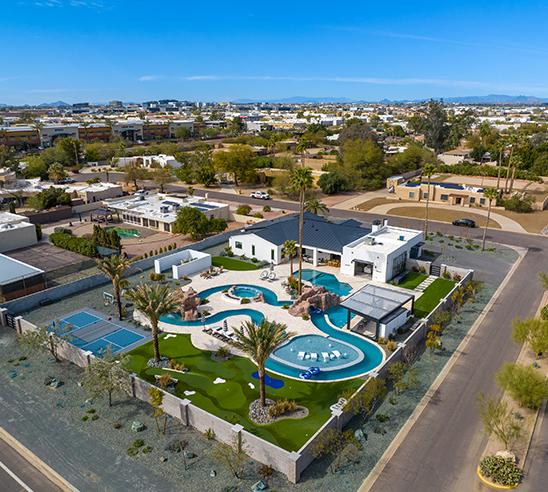
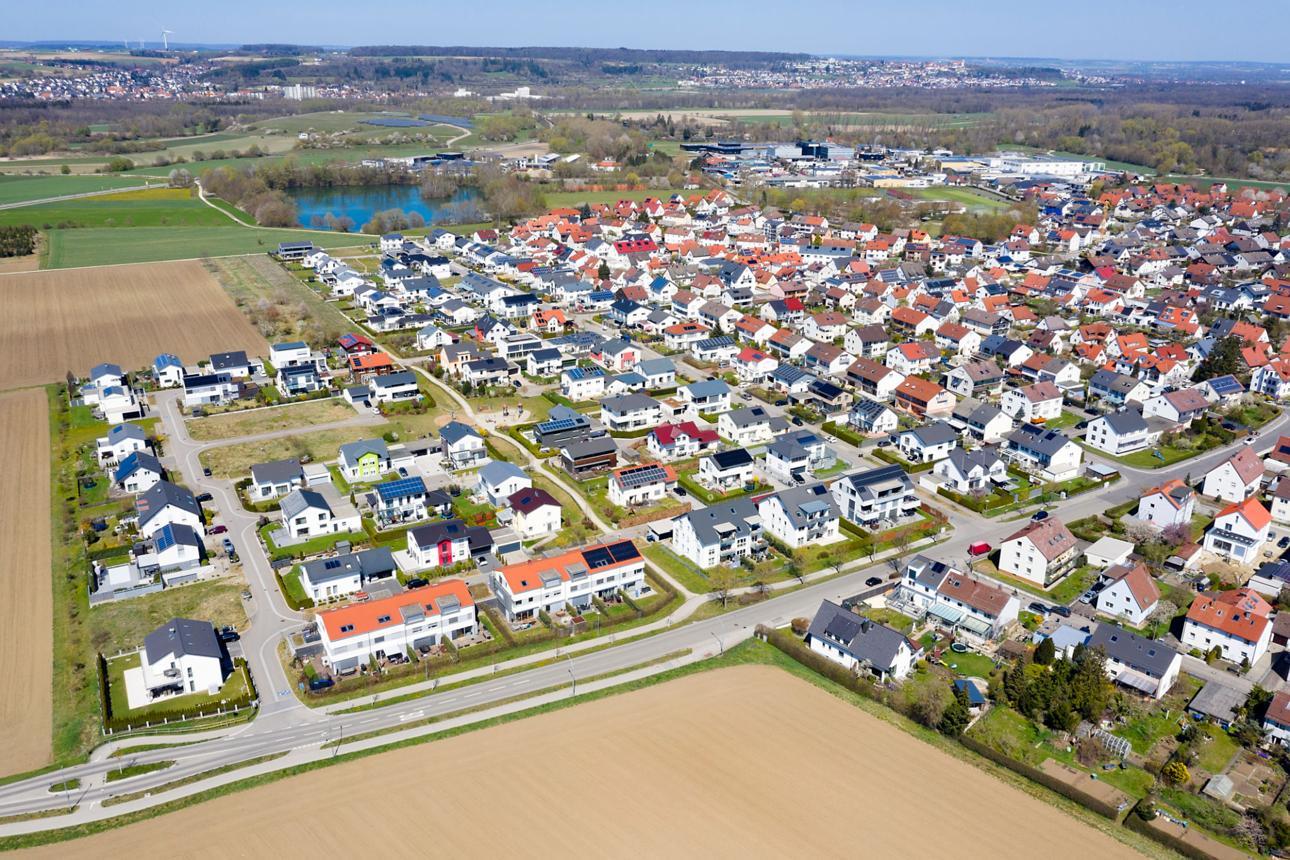
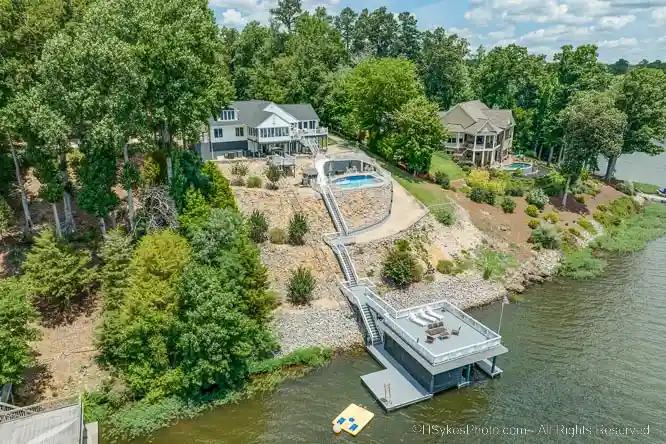
Real estate agents increasingly expect aerial media because it:
- Makes listings more visually engaging
- Improves marketing quality
- Creates cinematic presentation
- Helps buyers understand property layout
Residential Real Estate Work
Typical residential drone services include:
- Exterior photos
- Aerial video clips
- Orbit shots
- Neighborhood overviews
- Twilight photography
Successful real estate drone pilots learn:
- Composition
- Lighting
- Editing
- Smooth cinematic movement
Fast turnaround time is also important because real estate markets move quickly.
Luxury Property Marketing
High-end properties often require more advanced production quality. Luxury real estate videos may include:
- Cinematic flyovers
- Interior transitions
- FPV walkthroughs
- Sunrise or sunset footage
- Lifestyle storytelling
These projects can command significantly higher pricing than basic aerial photos.
Construction and Infrastructure Inspections
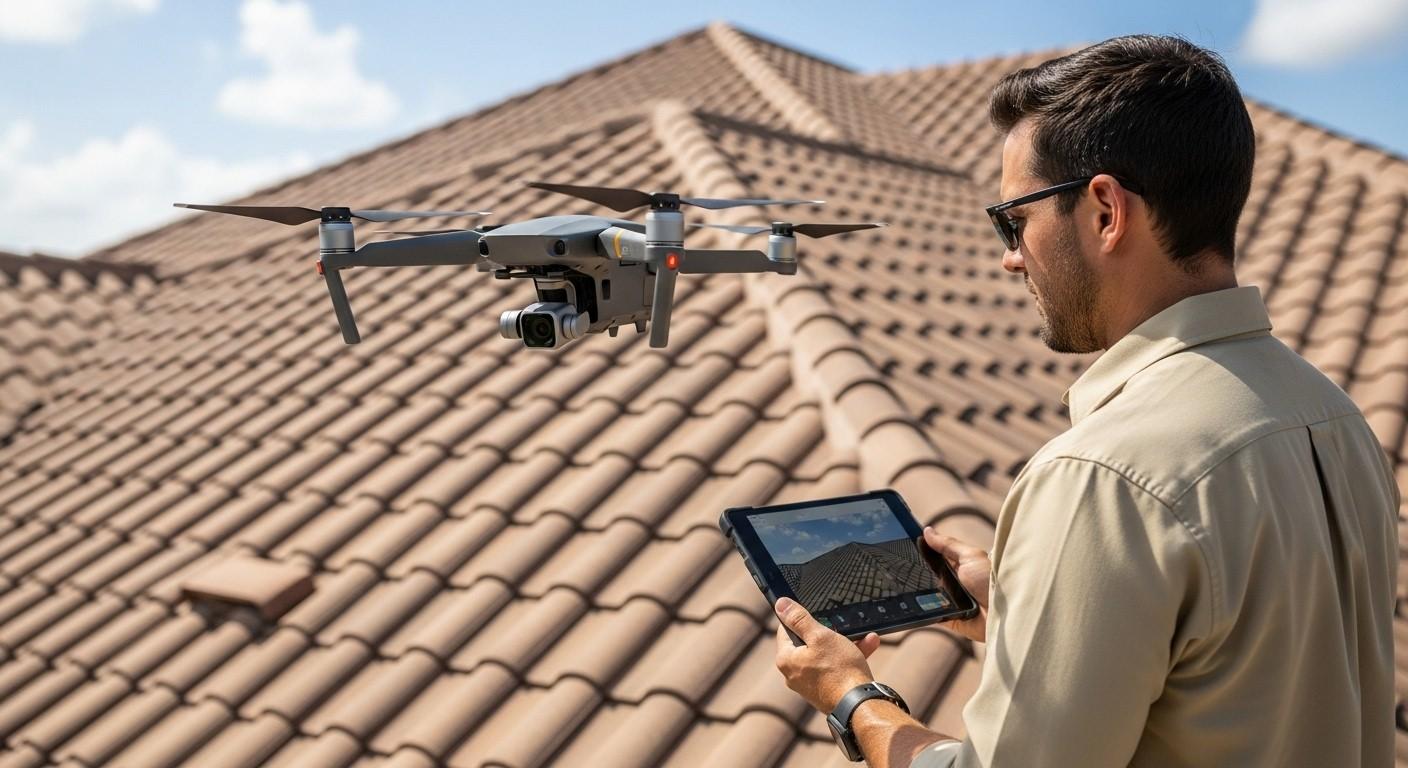
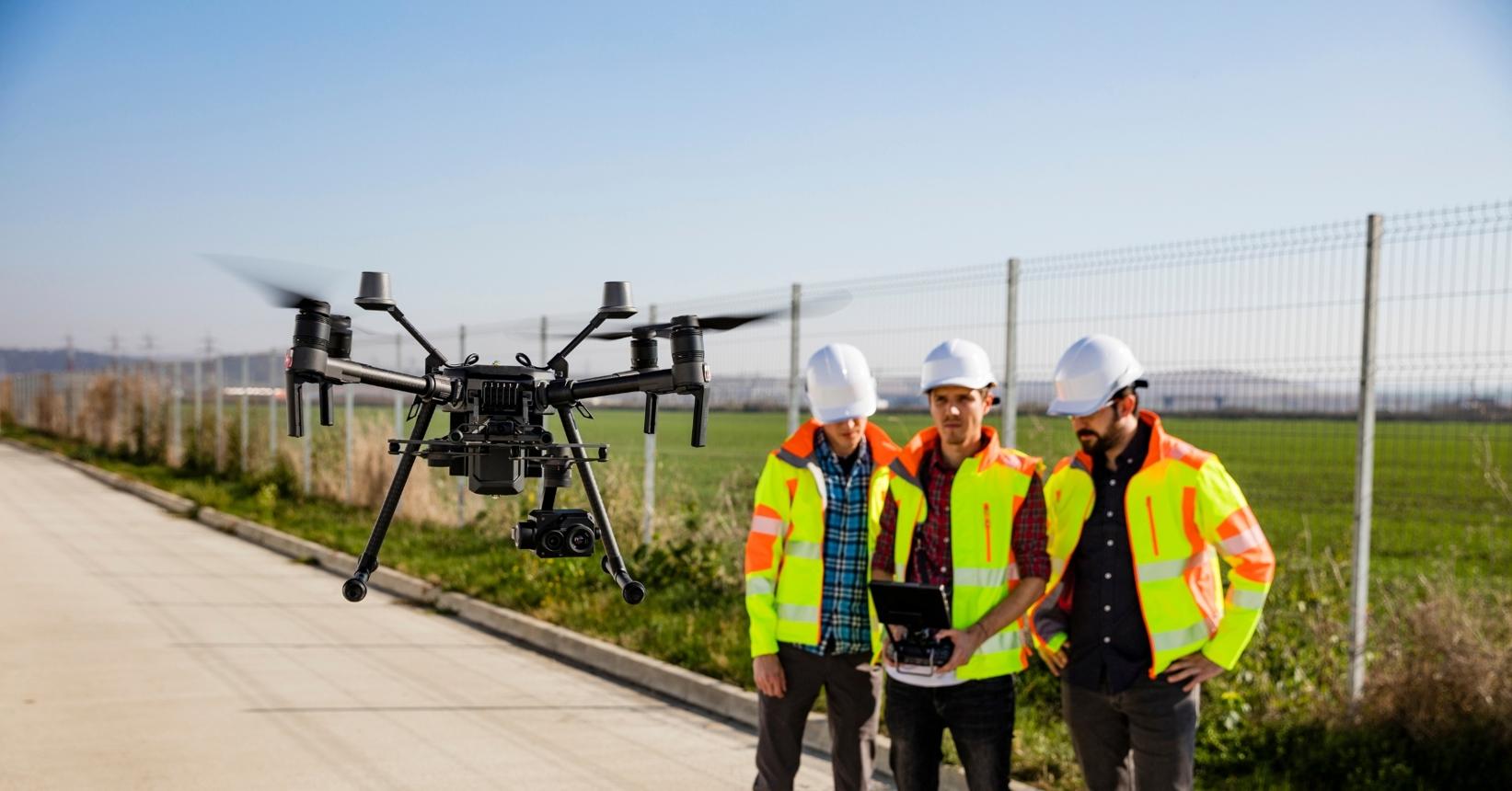
Drones are increasingly used for inspections because they can safely access difficult or dangerous locations.
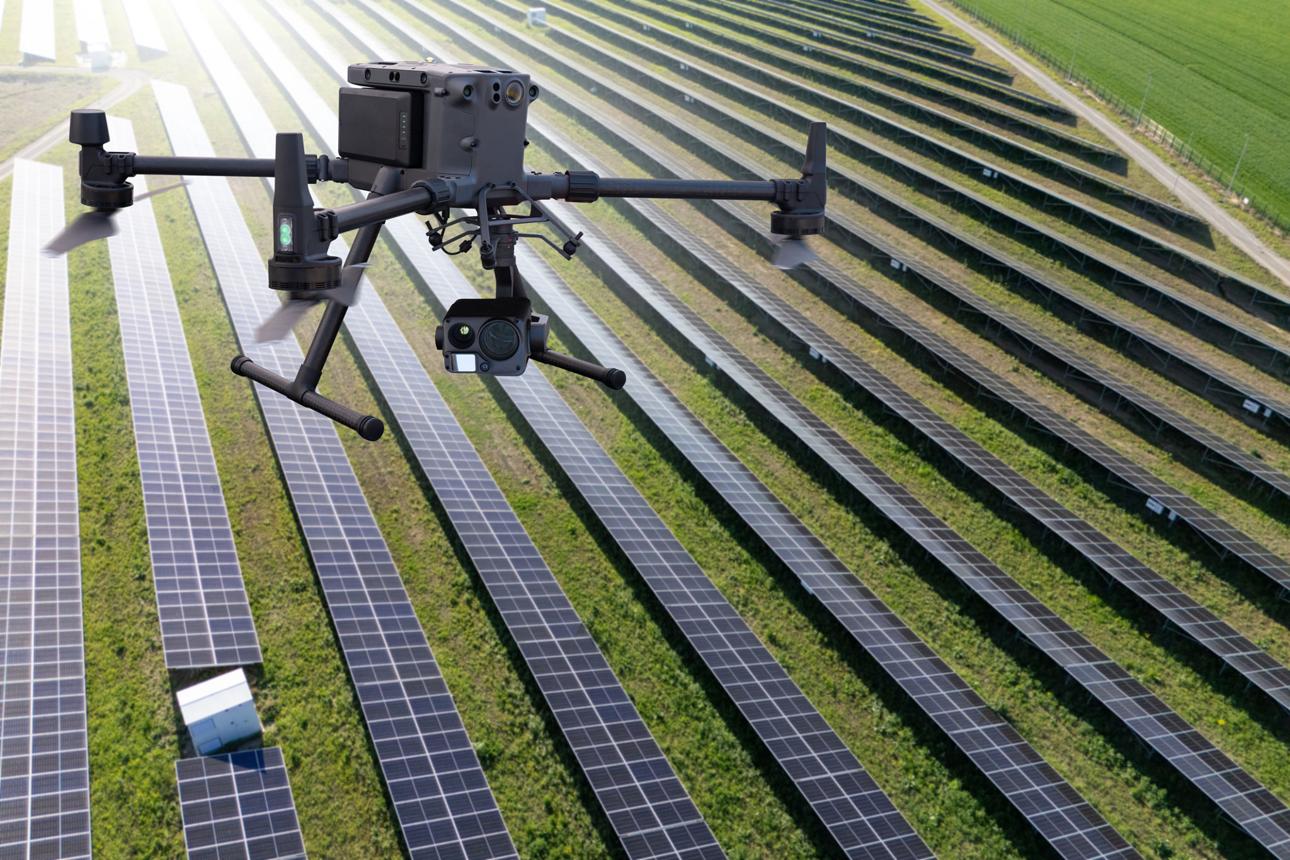
Common inspection work includes:
- Roof inspections
- Solar panel inspections
- Cell towers
- Bridges
- Power lines
- Construction progress tracking
6
Instead of climbing structures manually, inspectors can gather high-resolution imagery remotely.
This improves:
- Safety
- Speed
- Documentation quality
Roof Inspections
Roof inspection work is especially common because drones reduce the need for physical climbing.
Drone imagery can help identify:
- Storm damage
- Missing shingles
- Water pooling
- Structural concerns
Insurance companies, contractors, and homeowners increasingly use drone imagery for documentation.
Construction Progress Monitoring
Construction companies frequently hire drone operators to document project progress over time.
Regular aerial updates help:
- Track timelines
- Monitor equipment placement
- Communicate with investors
- Create marketing content
- Improve project management
Time-lapse aerial documentation has become especially popular for large developments.
Agriculture and Land Services
Agricultural drone work continues growing rapidly.
Farmers use drones for:
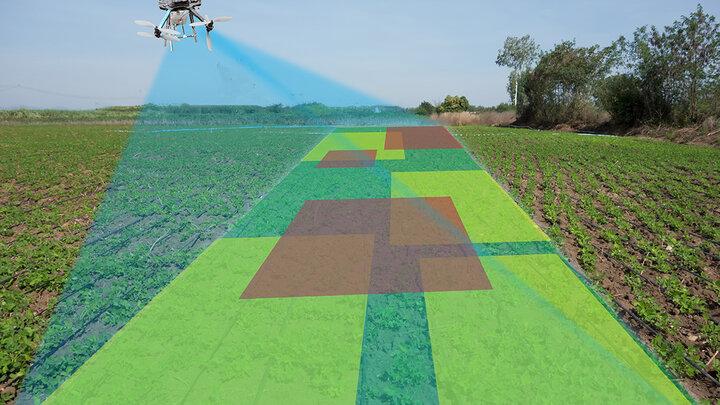
- Crop monitoring
- Irrigation analysis
- Plant health assessment
- Field mapping
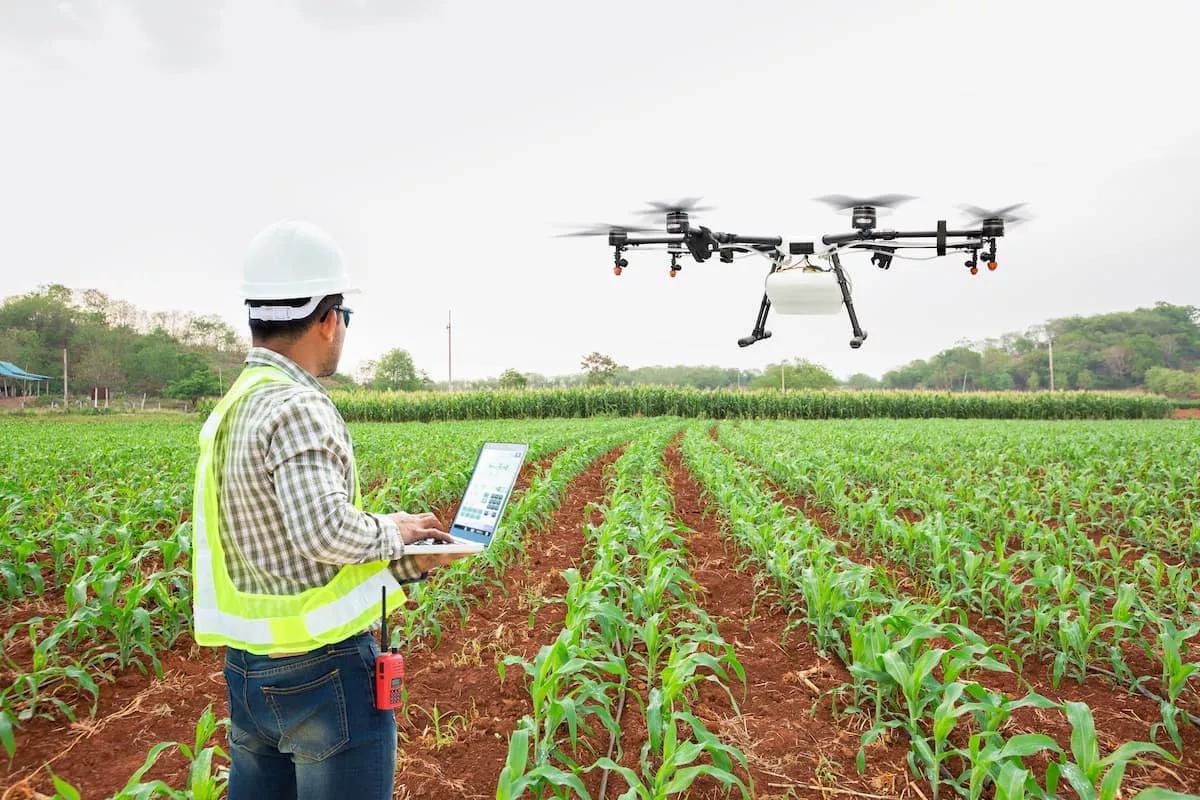
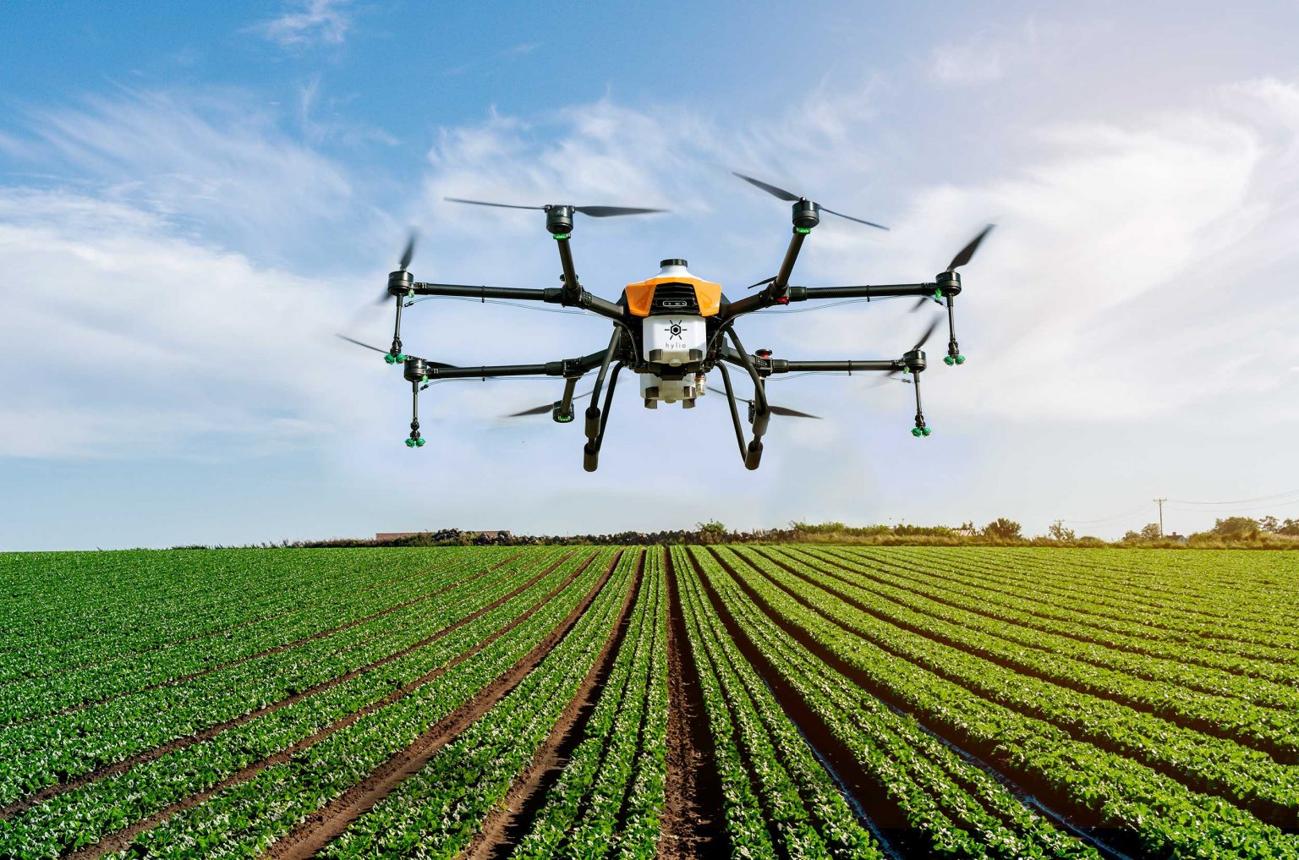
Specialized agricultural drones may include:
- Multispectral cameras
- Thermal sensors
- Automated mapping systems
This field often requires additional technical training but can become highly specialized and profitable.
Mapping and Surveying
Professional drones can create:
- Orthomosaic maps
- 3D models
- Elevation data
- Site measurements
Industries using drone mapping include:
- Construction
- Mining
- Engineering
- Environmental management
- Urban planning
Survey-grade drone work typically requires:
- Advanced software
- Precise GPS systems
- Specialized training
YouTube and Social Media Content
Many drone hobbyists eventually create online content.
Popular drone content includes:
- Travel videos
- FPV freestyle footage
- Tutorials
- Product reviews
- Cinematic edits
- Educational content
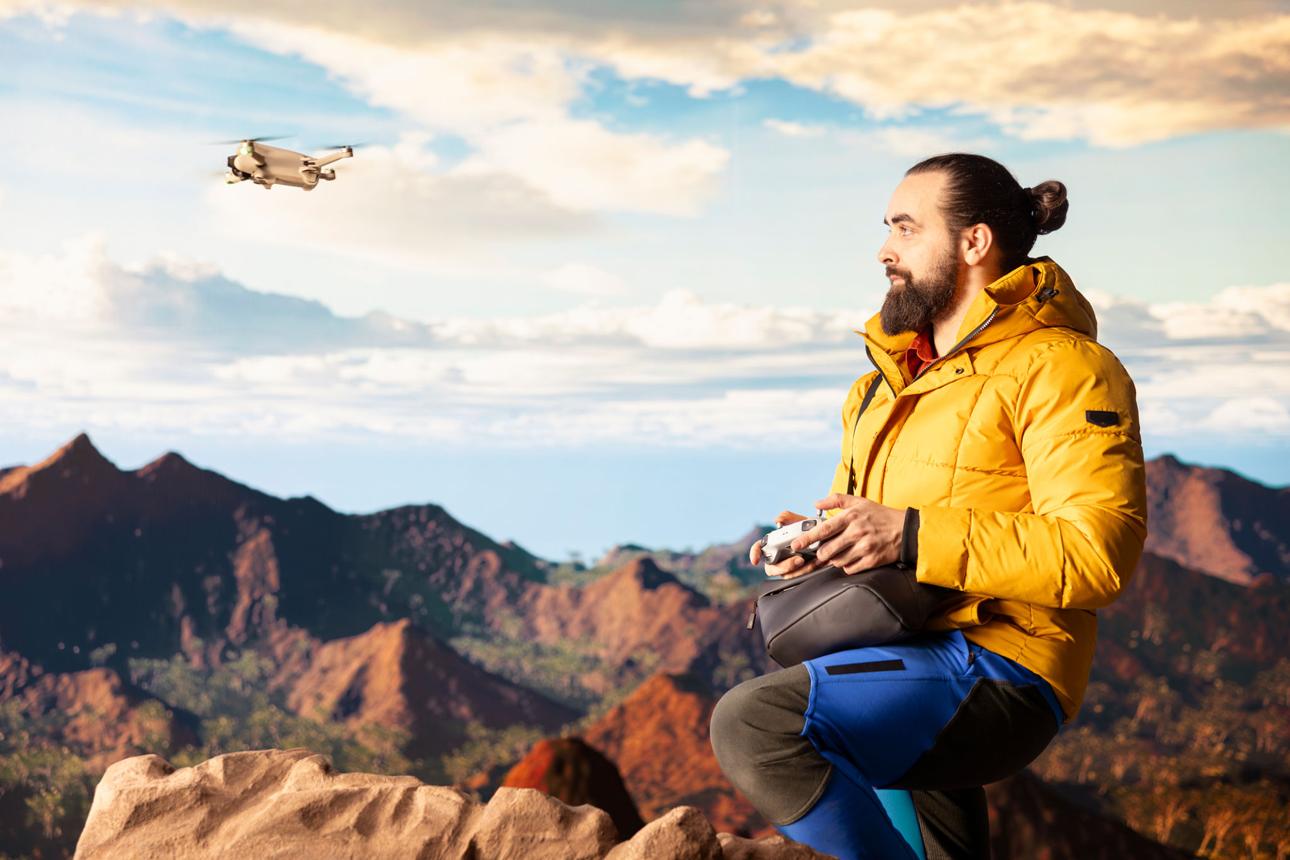
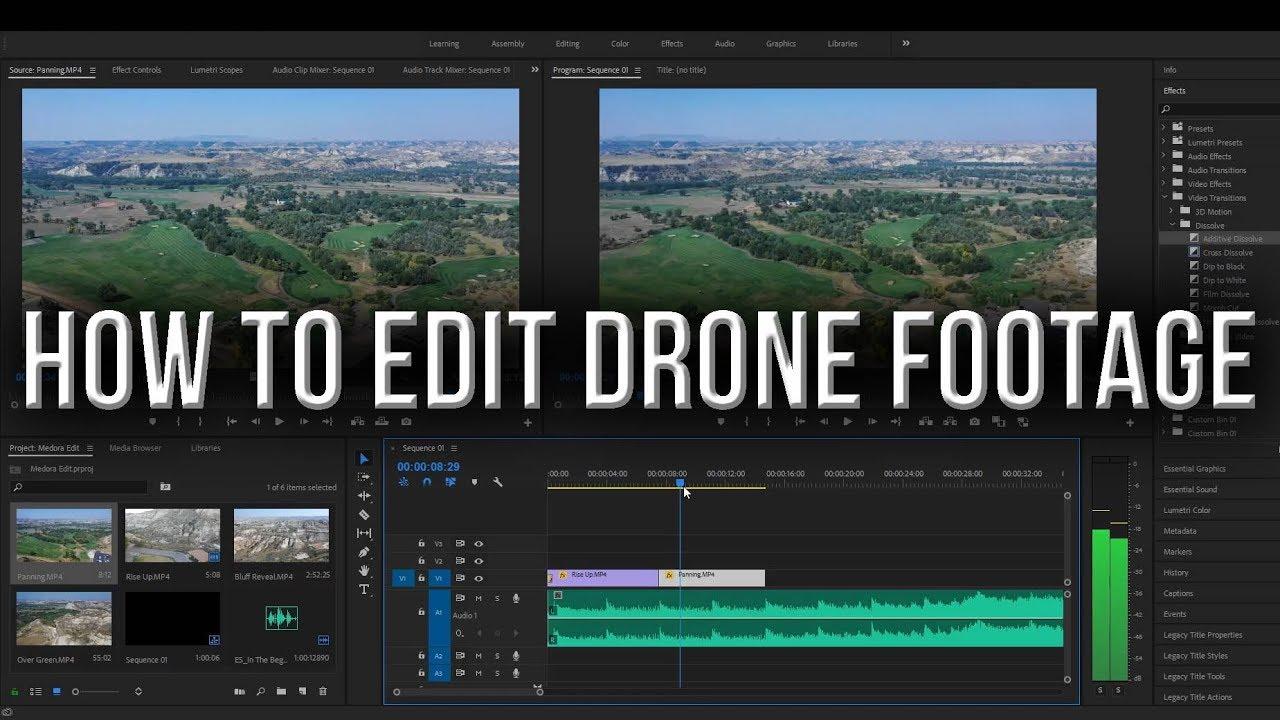
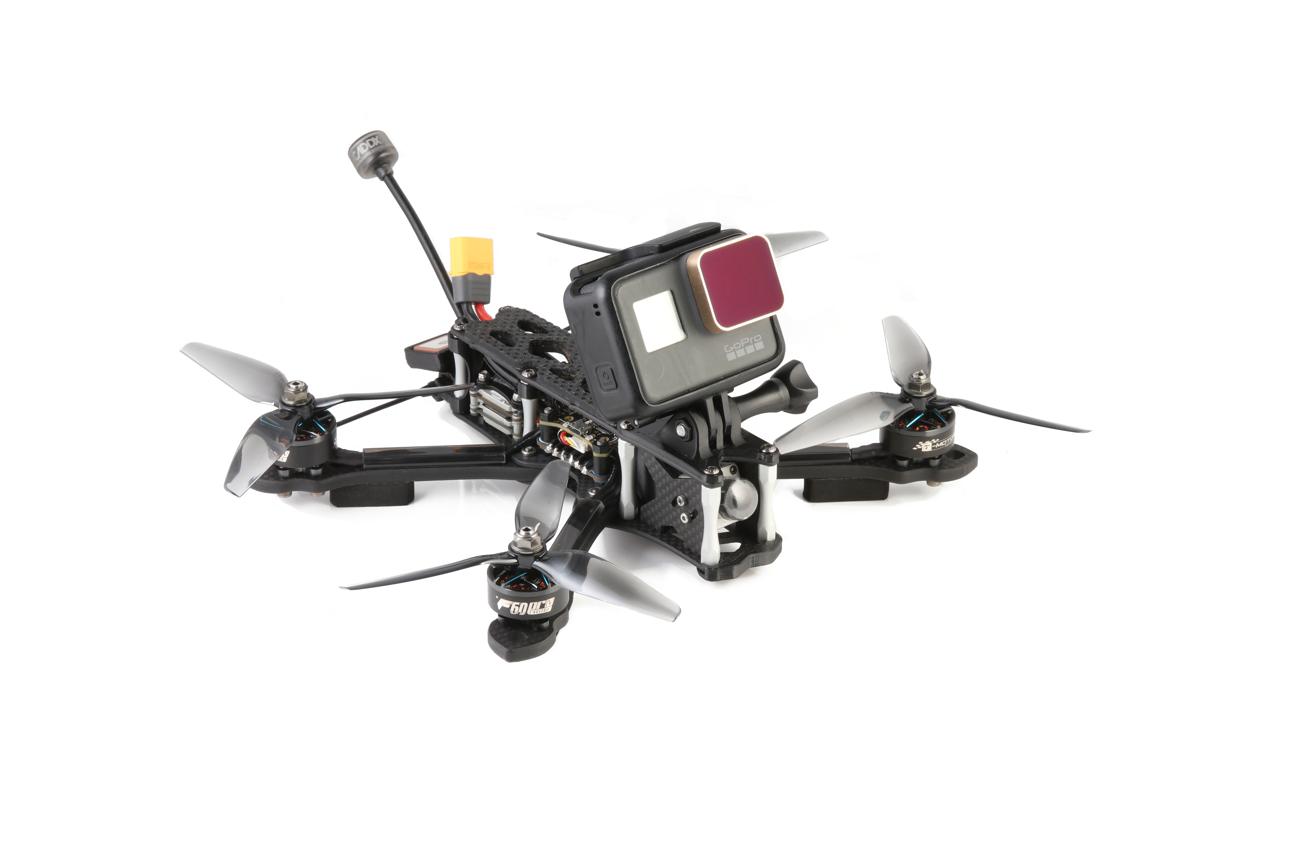
Platforms such as YouTube, Instagram, and TikTok created entirely new opportunities for drone creators.
Building an Audience
Successful drone creators often combine:
- Flying skill
- Storytelling
- Editing
- Personality
- Consistency
Audience growth usually takes time. Many creators begin as hobbyists sharing personal projects before gradually building:
- Sponsorships
- Advertising revenue
- Affiliate income
- Brand partnerships
Creative consistency matters more than expensive equipment alone.
Freelance Video Production
Drone footage is now widely used in:
- Commercials
- Tourism marketing
- Corporate videos
- Events
- Documentaries
- Sports coverage
Freelance drone operators often work alongside:
- Videographers
- Production companies
- Marketing agencies
- Event organizers
Professional production work requires:
- Reliability
- Communication
- Safety awareness
- Technical quality
Event Coverage
Some drone operators specialize in filming:
- Outdoor events
- Festivals
- Sports
- Weddings
- Adventure activities
However, flying near crowds introduces significant legal and safety restrictions. Professional event operators must understand:
- Airspace regulations
- Crowd safety
- Waiver requirements
- Risk assessment
Tourism and Travel Marketing
Tourism organizations increasingly use drone footage to promote destinations. Aerial visuals help showcase:
- Resorts
- Beaches
- National parks
- Adventure tourism
- City skylines
Cinematic travel footage can become valuable marketing material for:
- Hotels
- Tourism boards
- Outdoor brands
Drone Freelancing as a Side Business
Many pilots begin commercially on a small scale. Typical early projects may involve:
- Real estate shoots
- Small business videos
- Roof inspections
- Social media clips
Over time, operators often expand through:
- Referrals
- Portfolios
- Networking
- Online presence
The barrier to entry is lower than many traditional aviation careers, making drones attractive for freelance work.
Building a Portfolio
Commercial clients want evidence of skill. Strong portfolios usually demonstrate:
- Stable footage
- Sharp photography
- Consistent editing
- Professional composition
- Variety of environments
A small collection of excellent work is better than a large collection of average work.
Pricing Drone Services
Drone pricing varies widely depending on:
- Experience
- Equipment
- Location
- Complexity
- Risk
- Editing requirements
New pilots often undervalue their work initially. Professional pricing must account for:
- Equipment costs
- Insurance
- Travel
- Editing time
- Licensing
- Business expenses
Commercial drone work involves much more than flight time alone.
Insurance and Liability
Professional drone operators often carry liability insurance. Commercial insurance helps protect against:
- Property damage
- Accidents
- Equipment loss
- Client requirements
Some clients require proof of insurance before allowing drone operations.
FAA Part 107 Overview
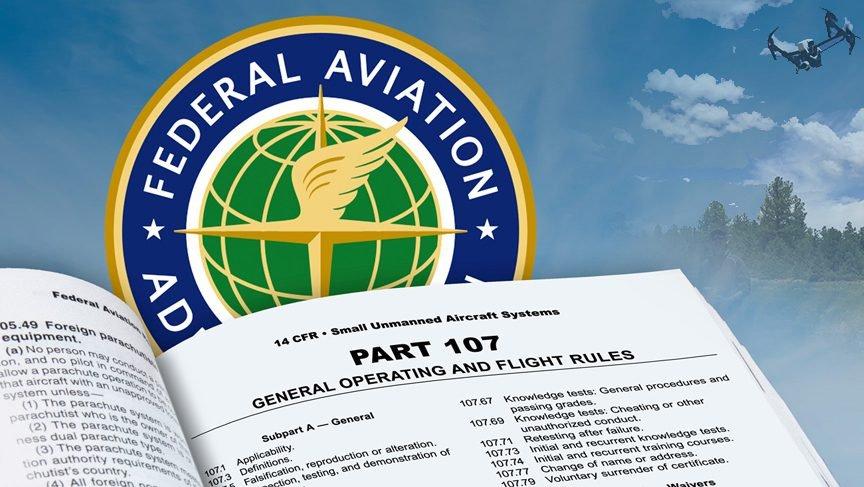
In the United States, commercial drone operations are generally regulated under the FAA’s Part 107 rules. Federal Aviation Administration Part 107 establishes the legal framework for most small commercial drone operations.
What Part 107 Covers
Part 107 includes rules involving:
- Airspace
- Weather minimums
- Maximum altitude
- Visual line of sight
- Night operations
- Remote pilot responsibilities
Commercial operators typically need a Remote Pilot Certificate to legally perform paid drone work.
The Part 107 Knowledge Test
To earn certification, pilots must pass an FAA knowledge exam covering topics such as:
- Airspace classification
- Weather
- Aviation charts
- Drone regulations
- Safety procedures
- Emergency operations
Many hobbyists discover that studying for Part 107 improves their overall aviation knowledge significantly.
Recreational vs Commercial Flying
One important distinction is that commercial intent changes legal requirements.
In general:
- Recreational flying is for personal enjoyment
- Commercial flying involves compensation or business benefit
Even indirect business use may require commercial certification.
Professional operators must understand these distinctions carefully.
Professionalism Matters More Than Gear
Many new pilots assume commercial success depends mostly on expensive drones.
In reality, clients usually care more about:
- Reliability
- Communication
- Punctuality
- Consistency
- Safety
- Quality results
A dependable pilot with modest equipment often succeeds more than an unreliable pilot with premium gear.
Networking Creates Opportunities
A large percentage of drone work comes through relationships and referrals.
Pilots often find opportunities by connecting with:
- Realtors
- Contractors
- Videographers
- Marketing agencies
- Tourism companies
- Local businesses
Professional reputation matters enormously.
The Importance of Editing Skills
Commercial drone work rarely ends after landing. Post-production often includes:
- Color correction
- Video editing
- Photo retouching
- File delivery
- Music licensing
Strong editing skills significantly increase commercial value.
Competition and Differentiation
Drone services have become increasingly competitive. Successful operators often specialize in:
- FPV cinematic work
- Luxury real estate
- Mapping
- Inspections
- Agriculture
- Travel storytelling
Specialization helps pilots stand out in crowded markets.
The Reality of Drone Business
Commercial drone work can be rewarding, but it also involves challenges:
- Weather cancellations
- Equipment maintenance
- Client revisions
- Regulations
- Travel logistics
- Seasonal demand fluctuations
Like any business, success requires persistence and professionalism.
Passion Still Matters
The most successful drone professionals usually remain passionate about flying itself. That enthusiasm often appears in:
- Creativity
- Attention to detail
- Client experience
- Continuous improvement
When people genuinely enjoy aerial work, it tends to show in the final results.
From Hobby to Opportunity
Few hobbies combine creativity, technology, aviation, and entrepreneurship as naturally as drones. A person may begin simply flying for fun…then eventually discover opportunities involving:
- Filmmaking
- Photography
- Engineering
- Inspection work
- Content creation
- Entrepreneurship
The same aircraft that once hovered in a local park can eventually become:
- A creative platform
- A professional tool
- A business
- A career
And for many drone pilots, that possibility makes the hobby even more exciting.