From The Hobby Drone Handbook by Stan Gold · Hobbies
Chapter 3 — Understanding Drone Technology
Published
The Magic Behind Modern Drones
At first glance, a hobby drone can seem almost magical.
You press a button, the motors spin up, and within seconds the aircraft rises smoothly into the sky, hovering steadily in place as if suspended by invisible strings. With only small movements of the control sticks, the drone can climb, rotate, accelerate, or even fly itself along automated routes.
Modern drones feel simple to operate because an enormous amount of technology works together behind the scenes.
Inside even a small consumer drone are:
- High-speed processors
- Precision sensors
- Stabilization systems
- GPS receivers
- Wireless communication systems
- Electric motors
- Sophisticated software
Understanding the basics of this technology makes you a better pilot. You do not need to become an engineer, but learning how drones work helps you:
- Fly more safely
- Diagnose problems
- Choose better equipment
- Improve flight performance
- Understand drone limitations
This chapter explains the core systems that make modern drones possible.
How Drones Fly
Before examining electronics and software, it helps to understand the basic physics of flight.
Most hobby drones are multirotors, meaning they generate lift using multiple spinning propellers.
The most common configuration is the quadcopter.
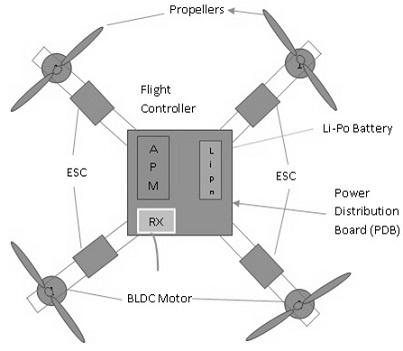
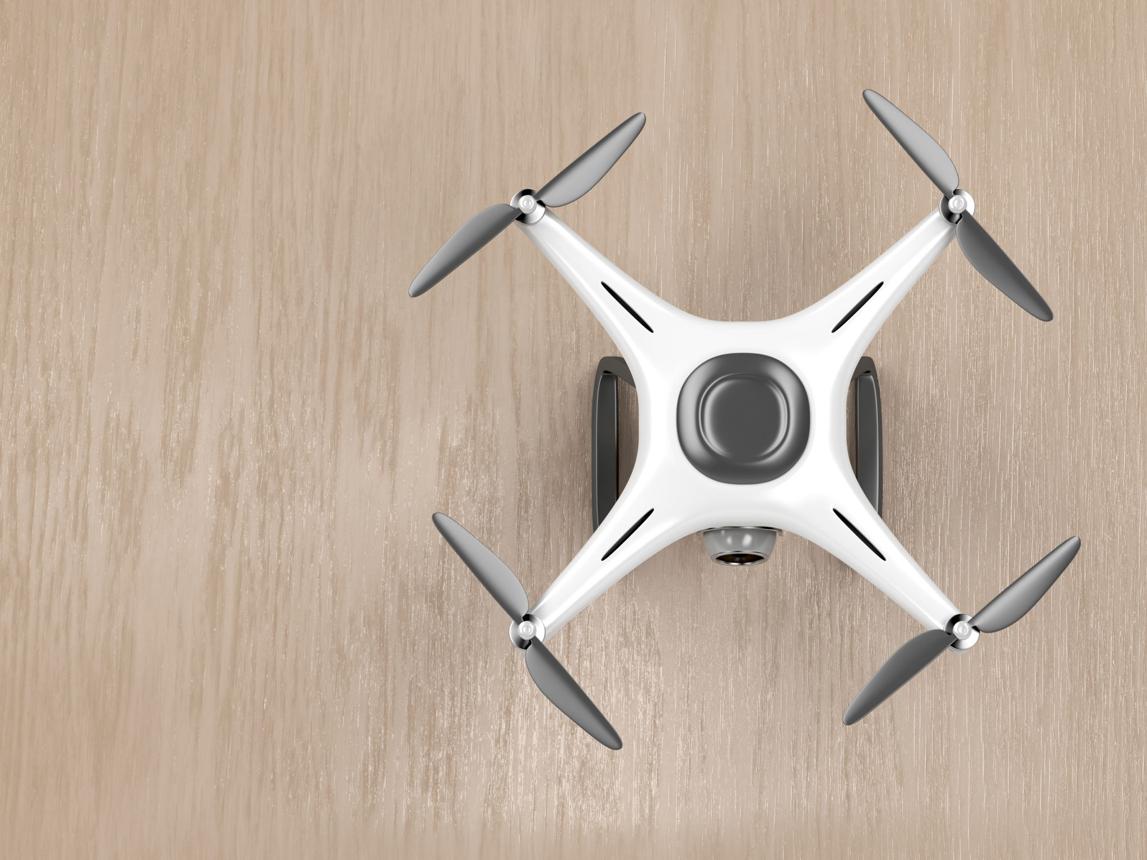
A quadcopter uses:
- Four motors
- Four propellers
- Electronic speed control
- Constant stabilization
Two propellers spin clockwise while the other two spin counterclockwise. This balances rotational forces and keeps the drone stable.
The drone moves by changing the speed of individual motors.
For example:
- Increasing speed on all motors causes ascent
- Slowing all motors causes descent
- Speed differences between motors create tilt and directional movement
The drone’s onboard computer constantly adjusts motor speed hundreds of times per second to maintain stability.
The Flight Controller — The Drone’s Brain
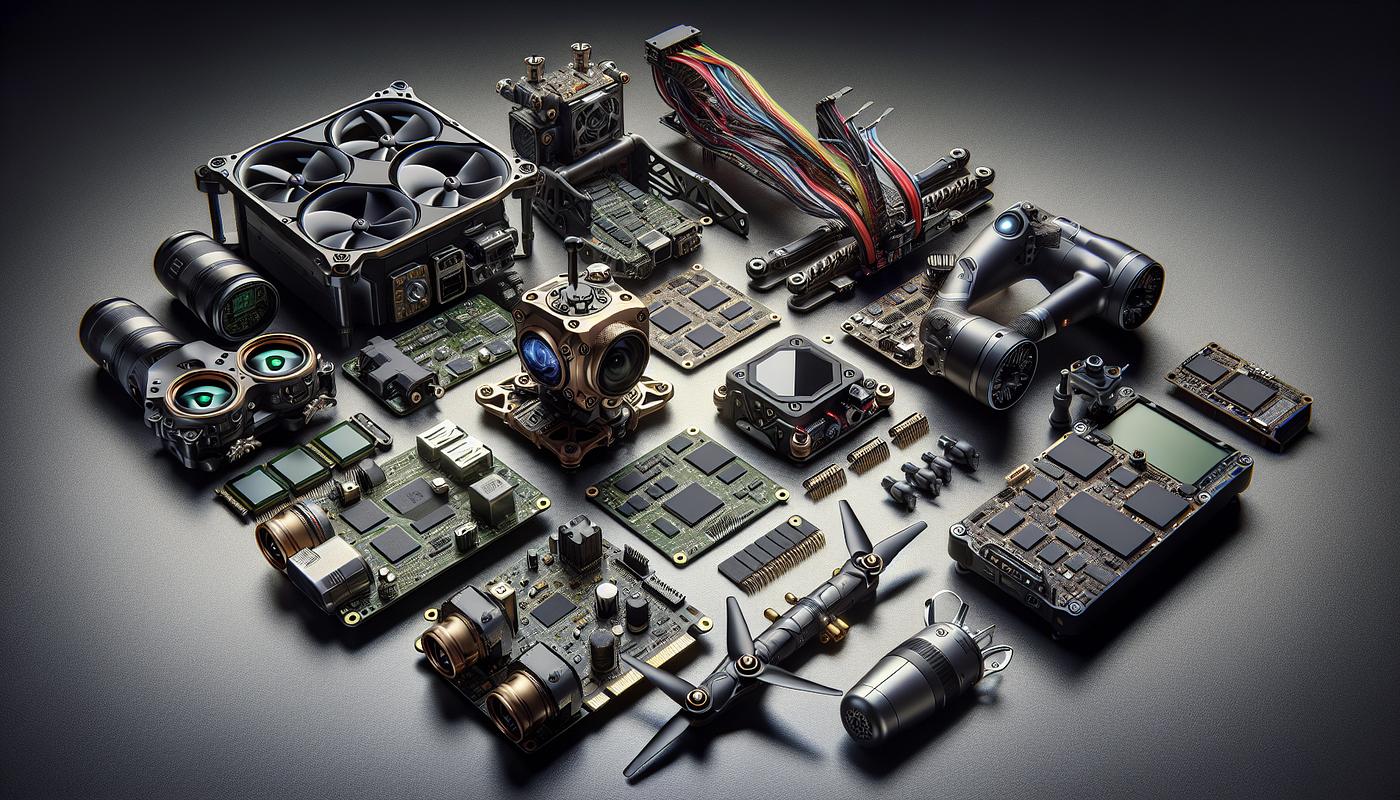
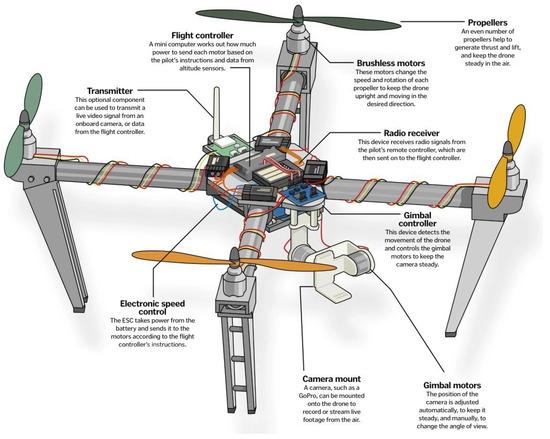
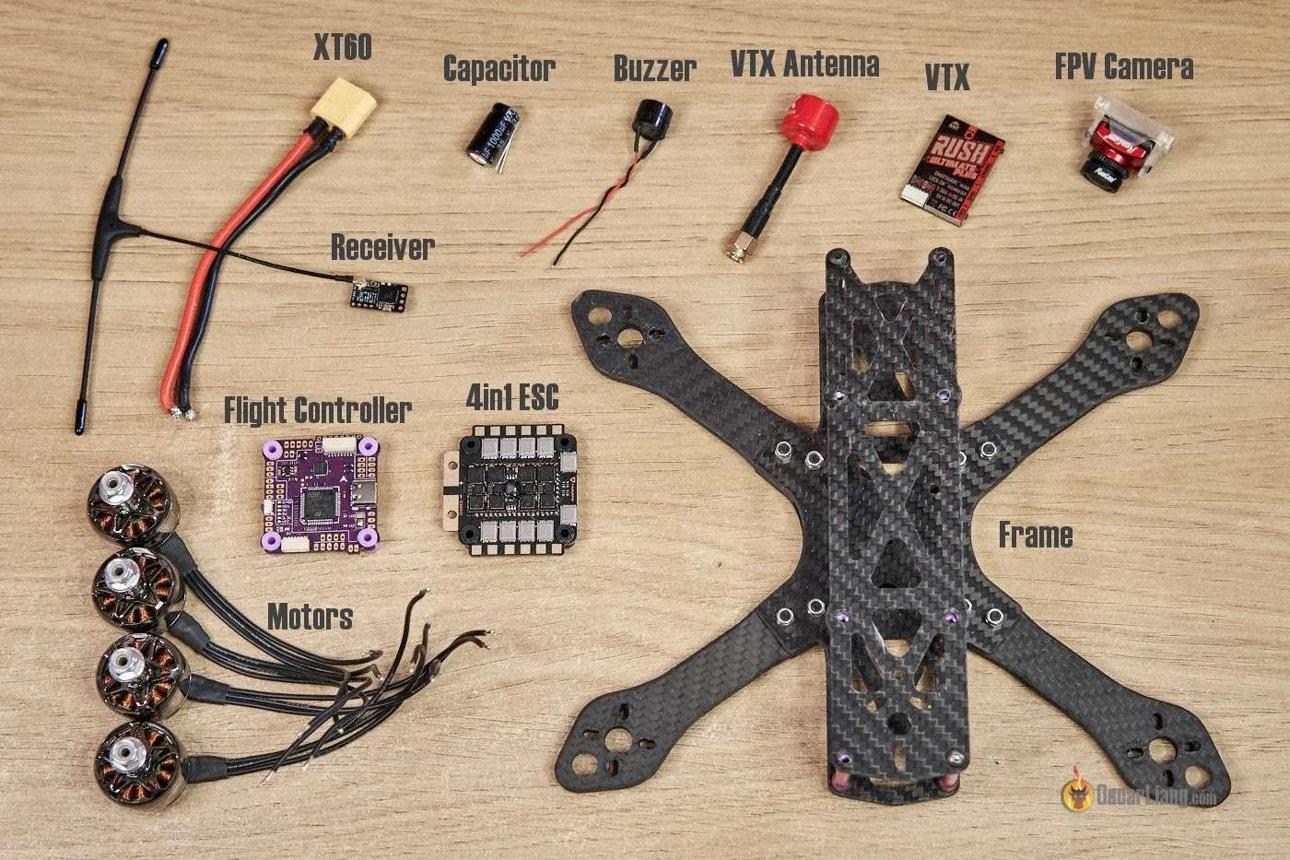
The most important electronic component inside a drone is the flight controller.
The flight controller acts like the aircraft’s brain.
It continuously:
- Reads sensor data
- Interprets pilot commands
- Stabilizes the drone
- Adjusts motor output
Without a flight controller, a quadcopter would be almost impossible for humans to fly manually.
8
Modern flight controllers contain:
- Gyroscopes
- Accelerometers
- Processors
- Firmware software
These systems constantly calculate the drone’s orientation and movement.
If wind tilts the drone slightly, the flight controller immediately compensates by adjusting motor speeds automatically.
This stabilization happens so quickly that the pilot may not even notice.
Gyroscopes and Accelerometers
Two of the most important sensors inside a drone are:
- Gyroscopes
- Accelerometers
These sensors were originally developed for smartphones and gaming devices.
Gyroscopes
Gyroscopes measure rotational movement.
They help the drone understand:
- Tilt angle
- Rotation speed
- Orientation changes
Accelerometers
Accelerometers measure changes in movement and direction.
Together, these sensors allow the drone to:
- Stay level
- Detect motion
- Stabilize itself
- Respond smoothly to pilot input
Without these sensors, hovering would be extremely difficult.
Motors and Propellers
Drone flight depends entirely on electric motors and propellers working together efficiently.
Brushless Motors
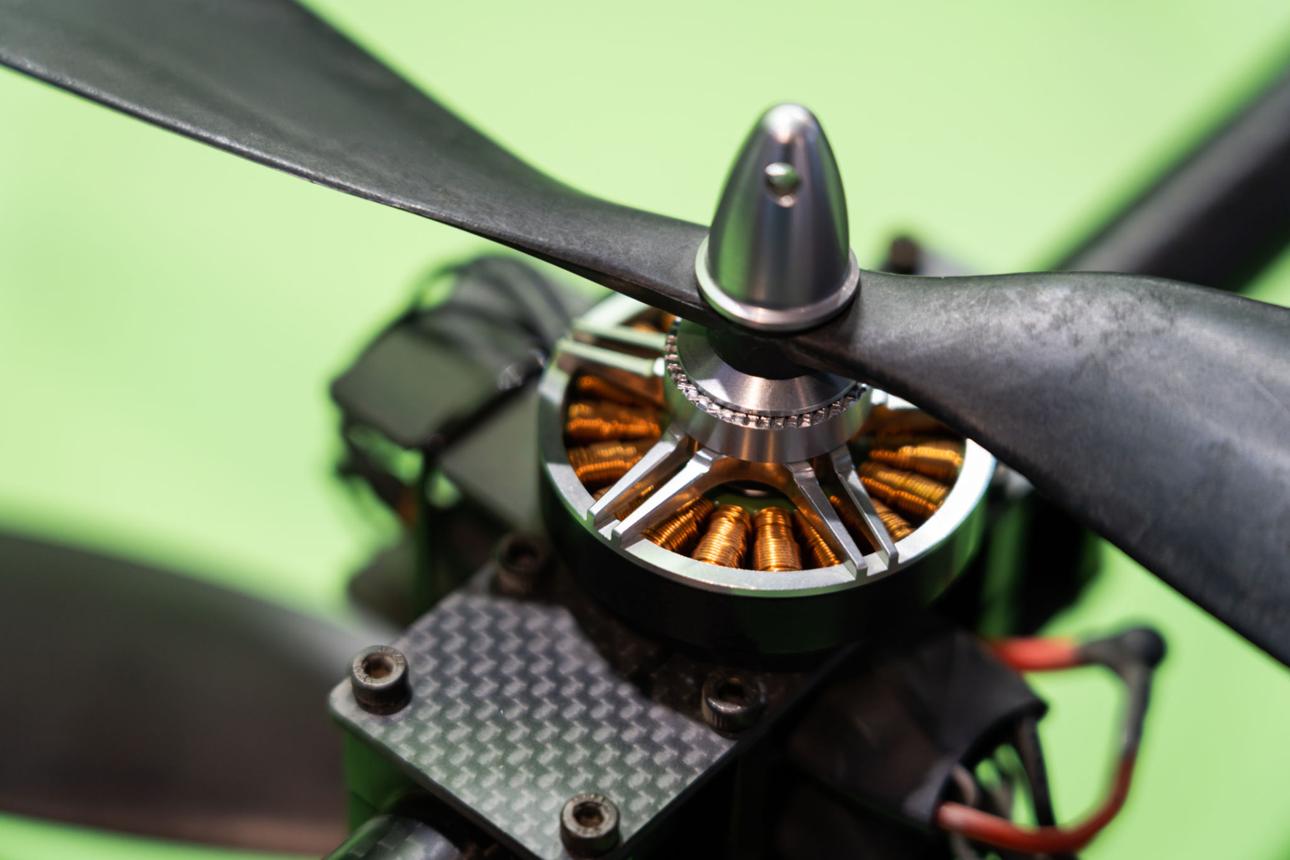
Most modern hobby drones use brushless electric motors.
These motors are:
- Powerful
- Efficient
- Reliable
- Lightweight
Brushless motors spin at extremely high speeds while requiring relatively little maintenance.
Each motor independently changes speed based on commands from the flight controller.
Propellers
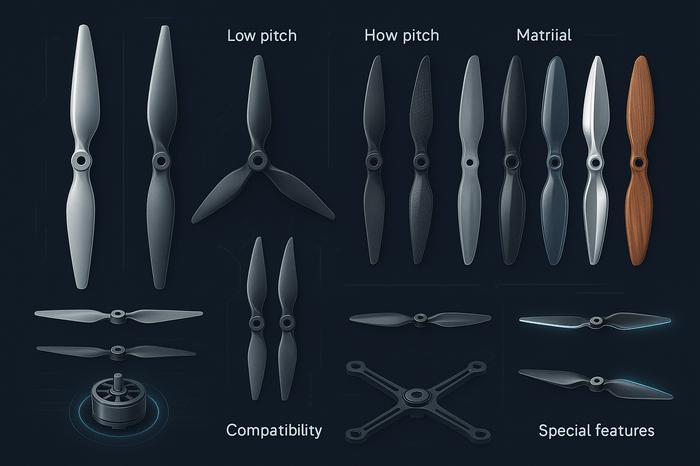
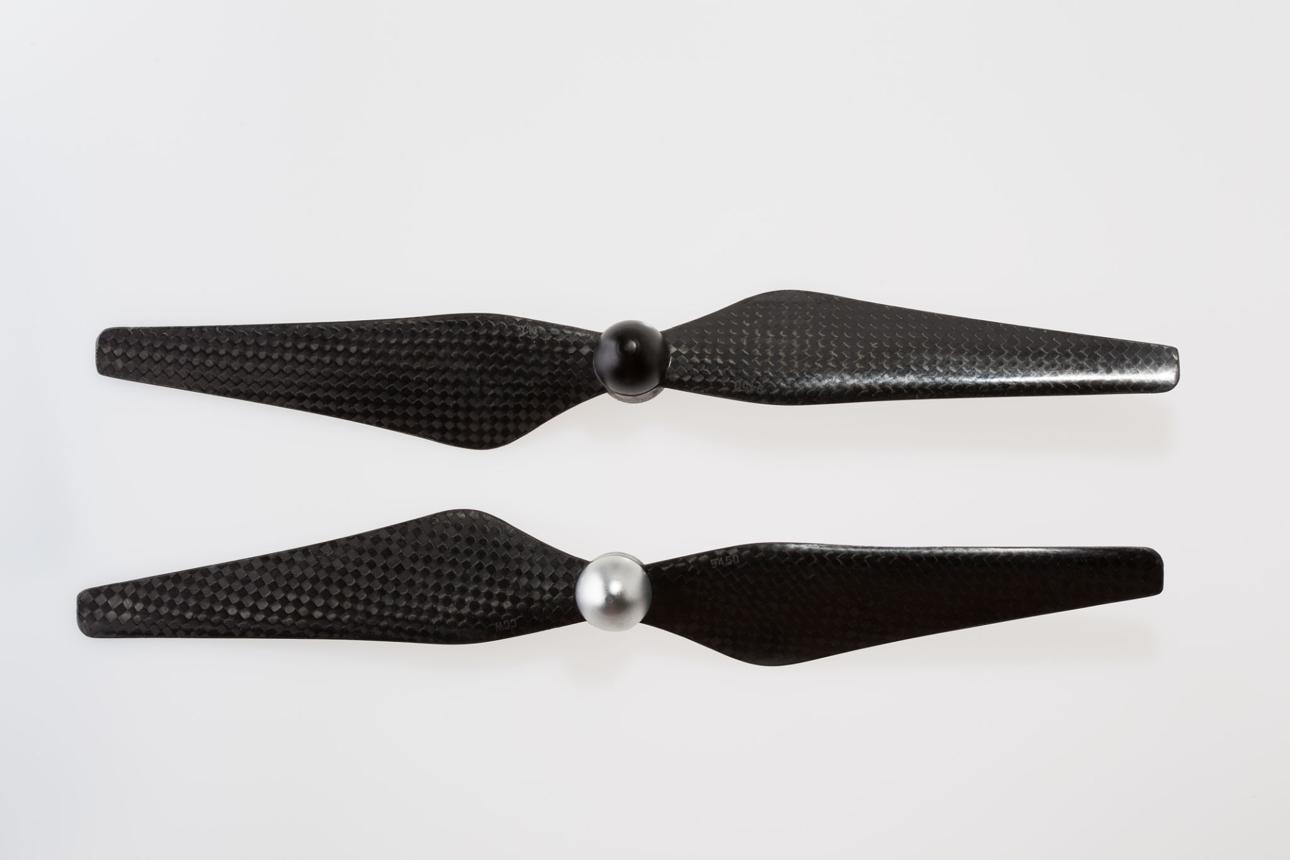
Propellers convert motor rotation into lift.
Even small differences in propeller design affect:
- Speed
- Stability
- Noise
- Battery life
- Handling
7
Larger propellers generally:
- Produce more lift
- Improve efficiency
- Increase stability
Smaller propellers generally:
- Spin faster
- Improve agility
- Increase responsiveness
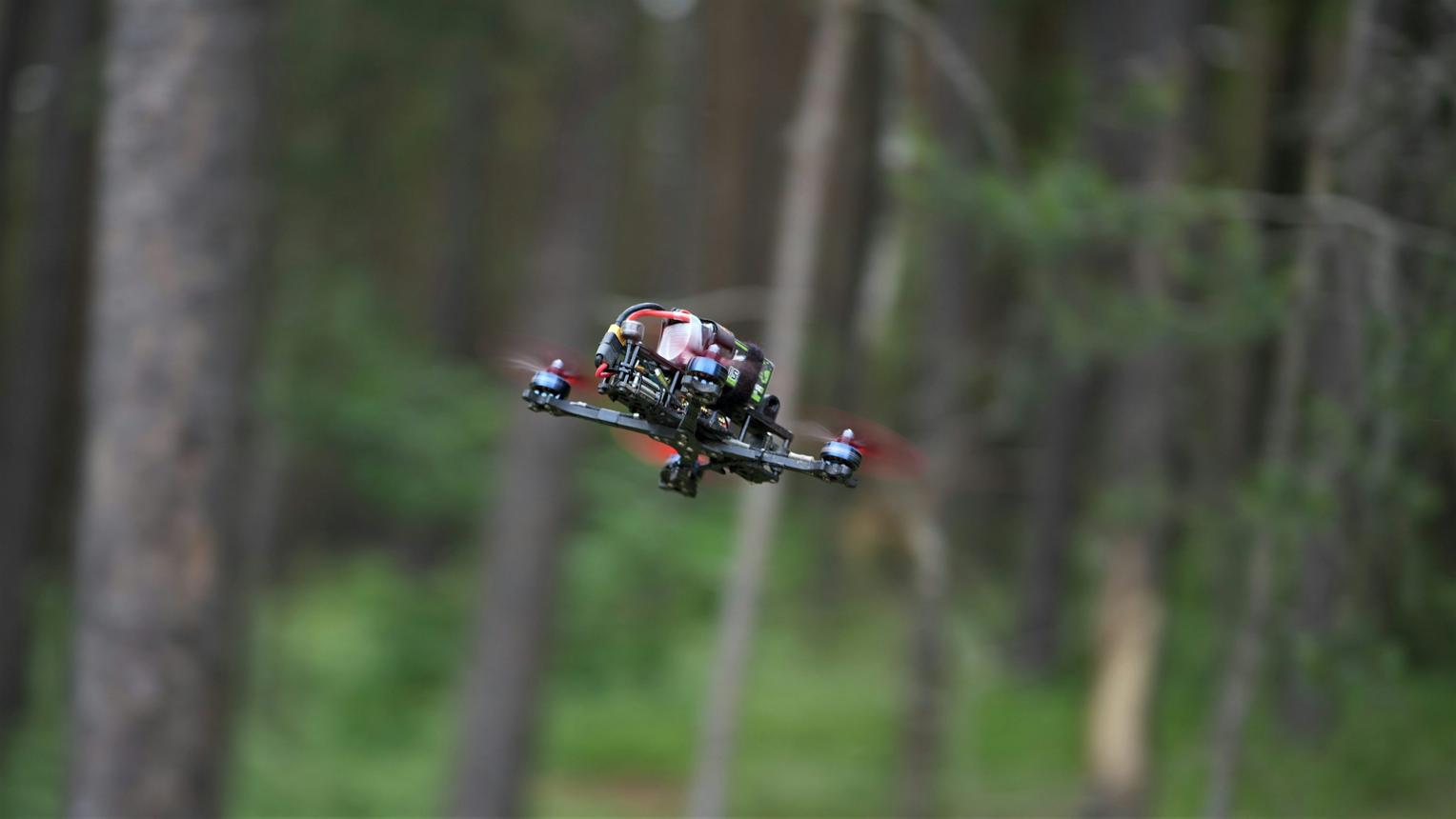
FPV racing drones typically use small aggressive propellers for speed, while camera drones use quieter, more efficient designs.
Electronic Speed Controllers (ESCs)
Each motor is connected to an Electronic Speed Controller, usually called an ESC.
The ESC acts like a power regulator between:
- The battery
- The flight controller
- The motor
It rapidly adjusts motor speed based on commands from the flight controller.
High-performance FPV drones often require extremely fast ESC response times to handle rapid maneuvers.
Batteries — The Power Source
Almost all hobby drones use Lithium Polymer (LiPo) batteries.
LiPo batteries are popular because they provide:
- High power output
- Low weight
- Rechargeability
However, drone batteries also have limitations and safety concerns.
Understanding Battery Ratings
Drone batteries are commonly described using:
- Cell count
- Voltage
- Capacity
For example:
- 3S battery = 3 cells
- 4S battery = 4 cells
- Higher voltage generally means more power
Battery capacity is measured in milliamp-hours (mAh).
Higher capacity usually means:
- Longer flight times
- Increased battery weight
Battery Safety
LiPo batteries must be handled carefully.
Improper charging or physical damage can cause:
- Swelling
- Overheating
- Fire
Basic safety rules include:
- Never puncture batteries
- Avoid overcharging
- Store properly
- Use correct chargers
- Inspect for damage regularly
Many experienced pilots use fire-resistant battery bags for storage and charging.
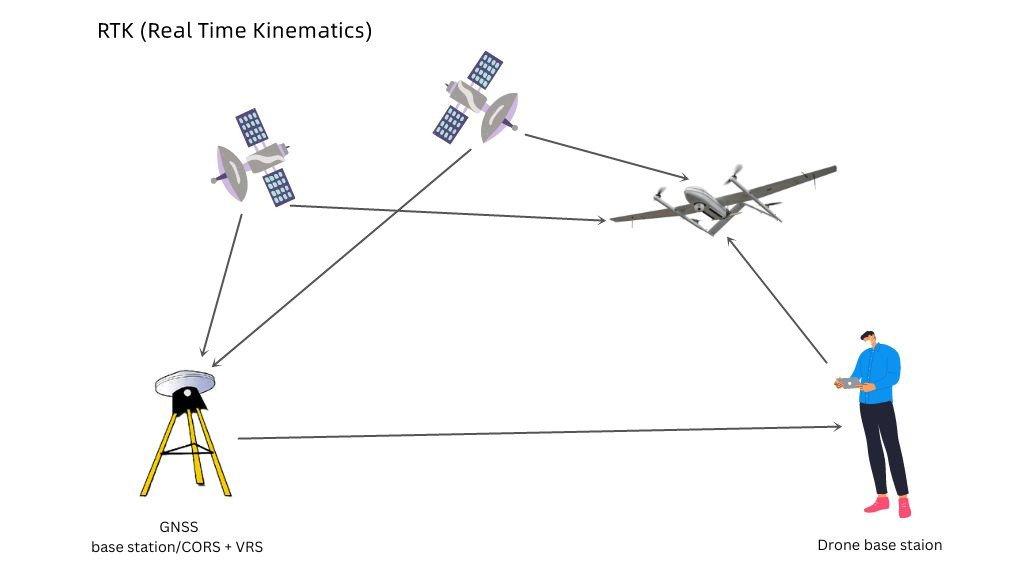
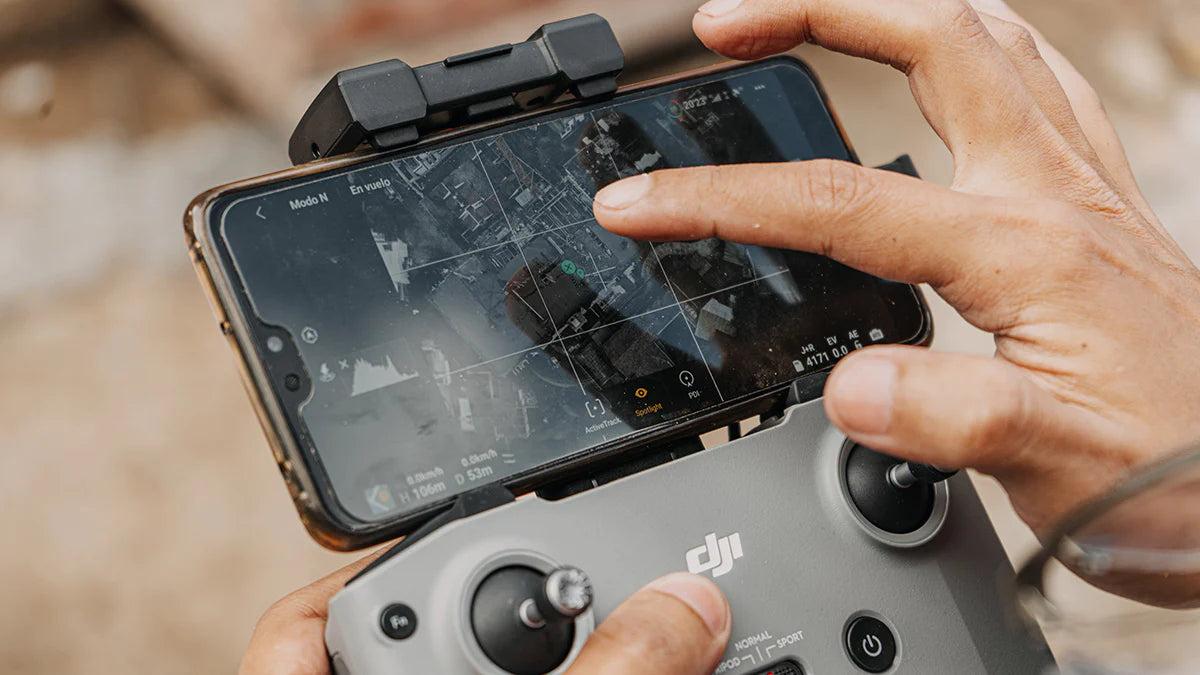
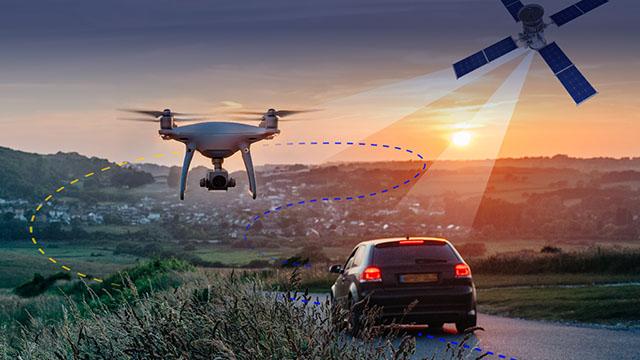
GPS — The Drone’s Navigation System
GPS transformed drones from difficult aircraft into beginner-friendly flying platforms.
GPS allows drones to:
- Hold position automatically
- Navigate accurately
- Return home autonomously
7
Without GPS, drones drift continuously and require constant pilot correction.
Return-to-Home Technology
One of the most important GPS features is Return-to-Home (RTH).
If:
- Signal is lost
- Battery becomes critically low
- The pilot presses the RTH button
…the drone automatically attempts to fly back to its takeoff point.
This feature has saved countless drones from being lost.
However, pilots should still understand:
- RTH altitude settings
- Signal limitations
- Obstacle risks
Automation helps, but it does not eliminate responsibility.
Obstacle Avoidance Systems
Many modern drones include obstacle sensors using:
- Cameras
- Infrared systems
- Ultrasonic sensors
- LiDAR technology
These systems help detect:
- Trees
- Walls
- Buildings
- Other obstacles
Some drones can:
- Brake automatically
- Reroute flight paths
- Warn the pilot of danger
Obstacle avoidance greatly improves safety, but no system is perfect. Thin branches, wires, and fast-moving obstacles can still cause crashes.
Radio Controllers and Communication Systems
The pilot communicates with the drone using a radio controller.
The controller sends commands such as:
- Throttle
- Direction
- Rotation
- Camera controls
At the same time, the drone sends information back to the pilot, including:
- Video feed
- Battery status
- GPS data
- Signal strength
- Altitude
Modern communication systems can maintain stable connections over surprisingly long distances.
FPV Video Systems
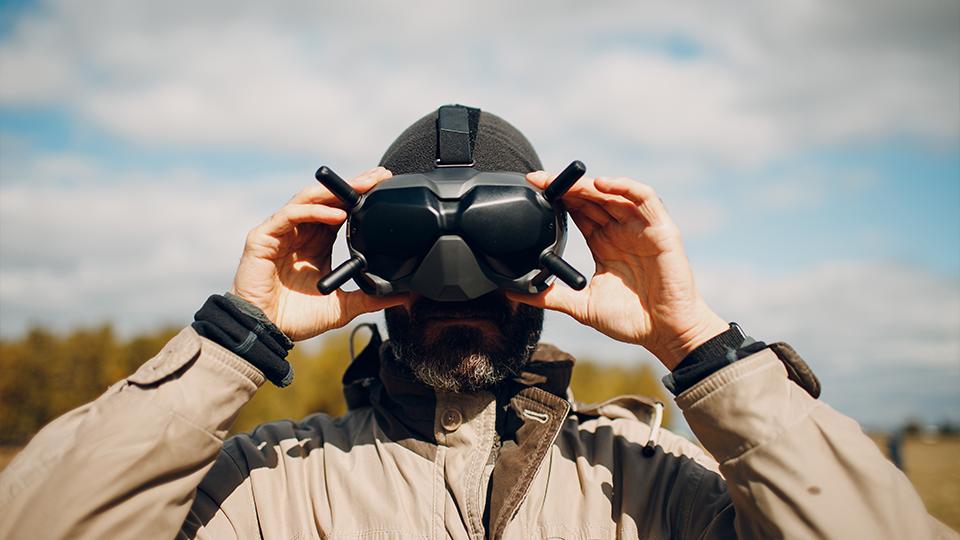
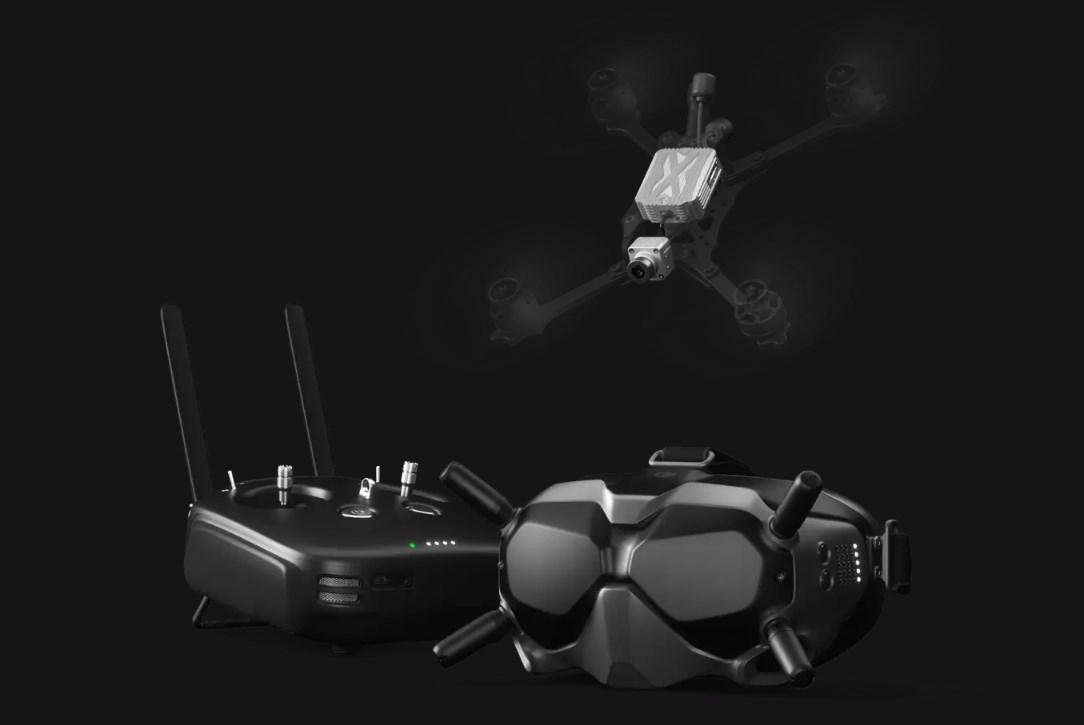
FPV drones use live video transmission systems to provide immersive flight experiences.
Pilots wear goggles displaying real-time footage from the drone’s camera.
8
There are two main FPV video types:
Analog FPV
- Lower image quality
- Very low latency
- Less expensive
- Popular with racers
Digital FPV
- Sharper image quality
- Better immersion
- Higher cost
- Popular for cinematic flying
Latency — the delay between real movement and displayed video — is critically important in FPV flight.
Cameras and Gimbals
Camera drones rely heavily on stabilization technology.
Gimbals
A gimbal is a motorized stabilization system that keeps the camera level even when the drone moves or vibrates.
Without a gimbal:
- Footage becomes shaky
- Small movements appear exaggerated
Modern 3-axis gimbals compensate for:
- Tilt
- Roll
- Rotation
This creates smooth cinematic footage even during movement.
Camera Sensors
Drone cameras vary widely in quality.
Important camera factors include:
- Sensor size
- Resolution
- Dynamic range
- Low-light performance
- Frame rates
Larger sensors generally:
- Capture better detail
- Perform better in low light
- Produce more cinematic results
Software and Firmware
Modern drones are essentially flying computers.
Their behavior depends heavily on software called firmware.
Firmware controls:
- Stabilization
- Navigation
- Camera systems
- Safety features
- Flight modes
Manufacturers regularly release firmware updates to:
- Improve performance
- Fix bugs
- Add features
- Enhance safety
Pilots should learn how to:
- Update firmware safely
- Calibrate sensors
- Configure settings properly
Intelligent Flight Modes
One reason drones became popular is the rise of automated flight features.
Many drones now include:
- Orbit modes
- Subject tracking
- Waypoint navigation
- Automated cinematic movements
- Gesture controls
These tools allow beginners to capture impressive footage with relatively little flying experience.
Automation reduces workload, but experienced pilots still develop strong manual flying skills.
The Importance of Redundancy
Because drones operate in the air, reliability matters enormously.
Many higher-end drones include redundant systems such as:
- Multiple sensors
- Backup compasses
- Dual GPS receivers
These systems help prevent failures from becoming crashes.
Even so, pilots should always remember:
Any drone can fail.
Responsible flying means preparing for unexpected problems.
Why Understanding Technology Matters
Some drone owners never learn how their aircraft actually works.
They simply charge batteries, press takeoff, and fly.
But pilots who understand drone technology gain major advantages.
They can:
- Diagnose issues faster
- Fly more confidently
- Avoid dangerous mistakes
- Upgrade intelligently
- Maintain equipment properly
Understanding technology also deepens appreciation for how remarkable modern drones truly are.
Inside a compact flying machine small enough to fit in a backpack exists:
- Advanced navigation
- Real-time stabilization
- Wireless video transmission
- Autonomous flight systems
- High-definition imaging
Only a few decades ago, this level of technology belonged almost entirely to military programs and research laboratories. Today it belongs to hobbyists.
Technology Is Only the Beginning
Modern drones are marvels of engineering, but technology alone does not make someone a skilled pilot.
Good flying still depends on:
- Judgment
- Practice
- Situational awareness
- Respect for safety
- Experience
The best drone pilots combine technological understanding with careful decision-making and creativity.
In the next chapter, we will explore one of the most important responsibilities of every drone owner: flying safely and legally.