From The Hobby Drone Handbook by Stan Gold · Hobbies
Chapter 5 — Your First Flight
Published
The Moment Every Drone Pilot Remembers
Every drone pilot remembers their first successful takeoff.
There is usually a mixture of excitement, nervousness, and adrenaline. Your hands grip the controller tightly while the drone sits motionless on the ground waiting for the motors to spin up. You double-check the battery, glance at the sky, and wonder whether the aircraft will actually stay in the air. Then it happens.
The propellers accelerate into a blur, the drone rises smoothly off the ground, and suddenly you are flying.
For many people, that first controlled hover feels almost unreal. A machine that only moments ago rested in your hands is now floating several feet in the air, responding instantly to your commands.
Modern drones make flying easier than ever, but successful flying still depends on developing good habits and strong fundamentals.
This chapter focuses on the practical skills every new pilot needs:
- Preparing for flight
- Understanding the controller
- Taking off safely
- Hovering steadily
- Moving confidently
- Landing smoothly
- Avoiding beginner mistakes
Mastering these basics creates the foundation for everything that comes later.
Choosing the Right Place to Learn
Your first flight location matters more than most beginners realize.
A poor environment can create unnecessary stress and increase the chance of crashes.
The ideal beginner practice area is:
- Large
- Open
- Flat
- Free of obstacles
- Far from crowds
- Away from power lines and trees
Excellent beginner locations include:
- Empty sports fields
- Open parks
- Large grassy areas
- Quiet beaches
- Wide rural spaces
Avoid learning near:
- Buildings
- Busy streets
- Dense trees
- Water
- Crowds
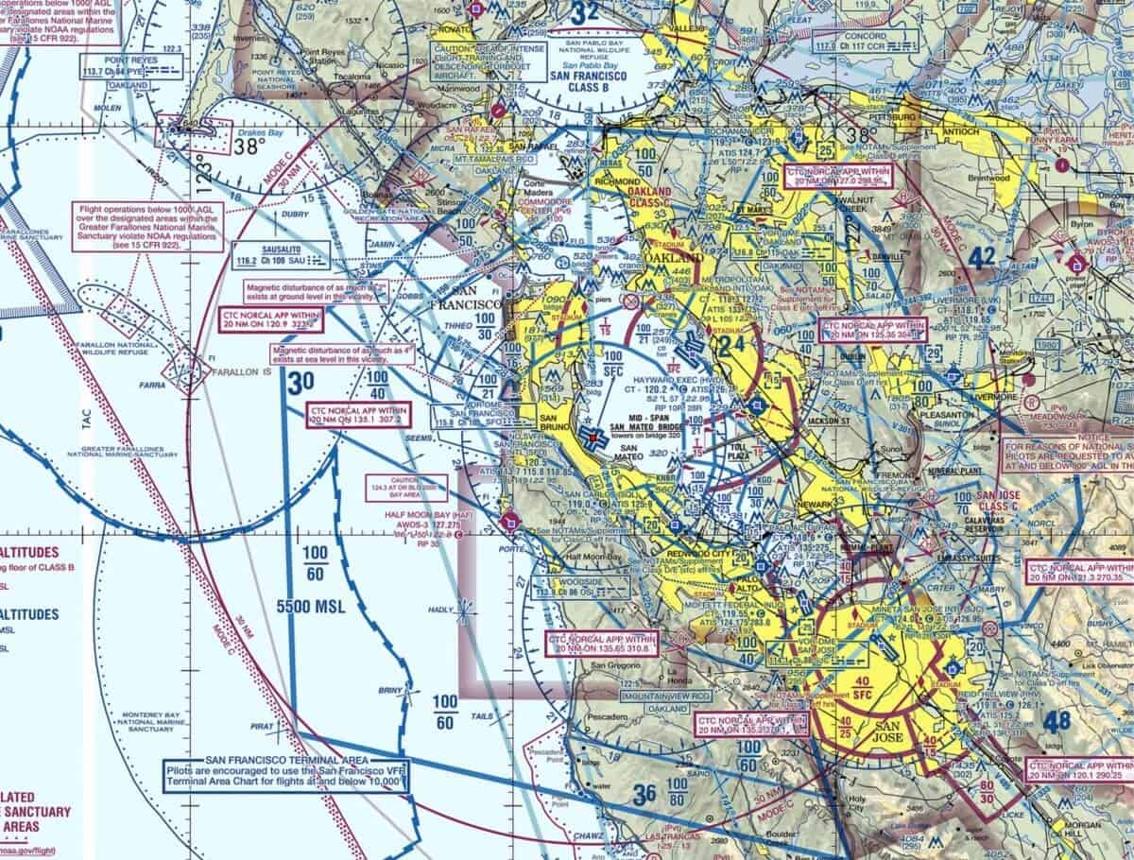
- Airports
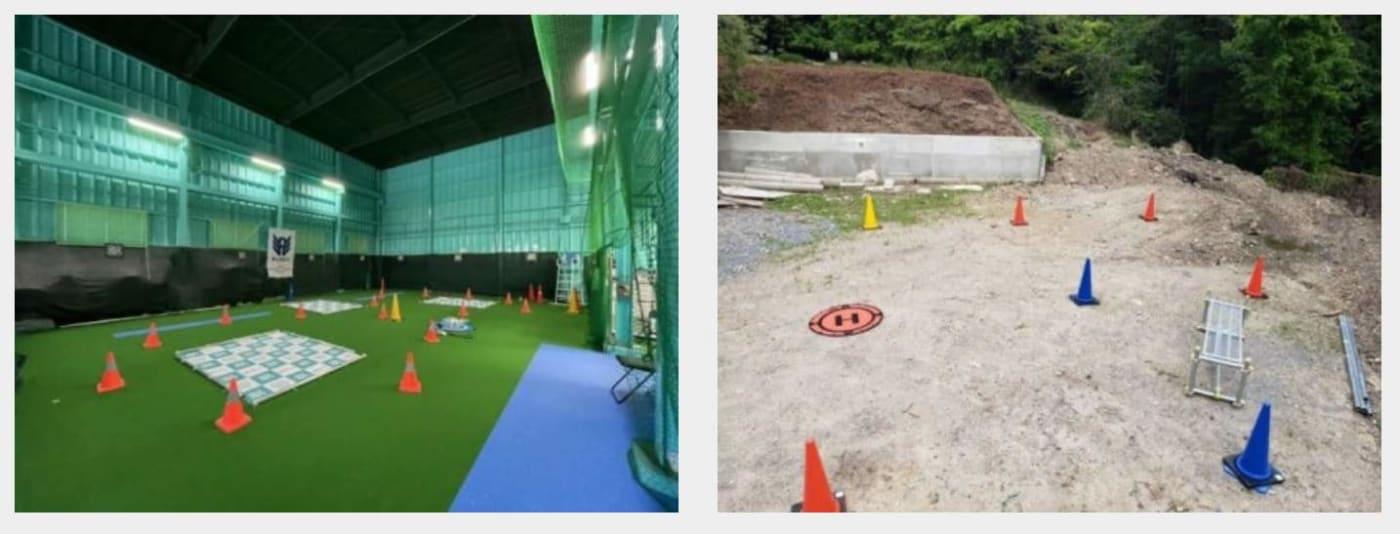
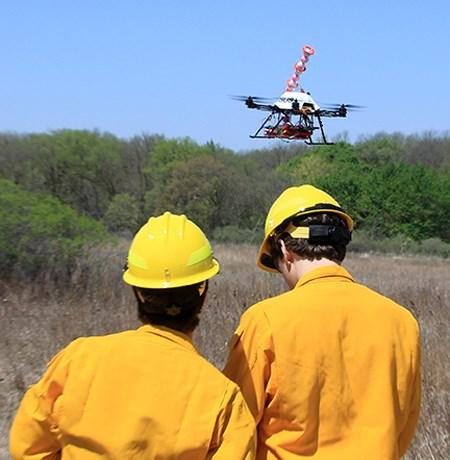
Large open spaces give beginners room to make mistakes without immediate consequences.
Weather Matters More Than You Think
Many first-time pilots underestimate weather conditions.
A light breeze on the ground may feel much stronger at 100 feet above the surface.
For your first flights:
- Choose calm weather
- Avoid strong wind
- Fly during daylight
- Maintain good visibility
Ideal beginner conditions:
- Wind under 10 mph
- Clear skies
- Dry weather
- Comfortable temperatures
Small drones are especially vulnerable to wind gusts.
If trees are swaying noticeably, conditions may already be too challenging for beginners.
Preparing Your Drone
Before every flight, perform a quick setup and inspection.
Experienced pilots develop consistent routines because small mistakes can quickly lead to crashes.
Basic Pre-Flight Setup
Before powering on:
- Fully charge batteries
- Inspect propellers for damage
- Check controller battery levels
- Confirm firmware updates if needed
- Verify memory card installation for camera drones
After powering on:
- Wait for GPS lock
- Confirm home point recording
- Check signal strength
- Review flight mode settings
Many beginner crashes happen simply because pilots rush through setup.
Patience on the ground prevents problems in the air.
Understanding the Controller
Before takeoff, you must understand how the controller affects movement.
Most drone controllers use two joysticks.
For standard controller layouts:
Left Stick
Controls:
- Throttle (up and down)
- Rotation (yaw)
Up/Down
Raises or lowers altitude.
Left/Right
Rotates the drone left or right.
Right Stick
Controls:
- Forward/backward movement
- Side-to-side movement
Up/Down
Moves the drone forward or backward.
Left/Right
Moves the drone sideways.
Understanding Orientation
One of the hardest beginner challenges is orientation.
When the drone faces away from you:
- Controls feel intuitive
When the drone faces toward you:
- Left and right appear reversed
This confuses nearly every new pilot.
The solution is practice.
Beginners should spend significant time:
- Hovering close
- Rotating slowly
- Practicing orientation changes
Over time, your brain adapts automatically.
Your First Takeoff
The goal of your first flight is not speed or distance.
The goal is control.
Step 1 — Start the Motors
Most drones use a button or joystick combination to arm the motors.
Once armed:
- Propellers begin spinning
- The drone becomes active
- The aircraft is ready for lift
Stay calm and avoid sudden stick movements.
Step 2 — Lift Off Smoothly
Gently raise the throttle.
Do not:
- Slam the stick upward
- Attempt fast takeoffs
Instead:
- Increase power gradually
- Lift to about 5–10 feet altitude
- Pause and stabilize
Many beginners hesitate halfway during takeoff, causing unstable bouncing or tipping.
Confident but smooth throttle input works best.
Step 3 — Hover
Hovering is the single most important beginner skill.
A stable hover teaches:
- Stick sensitivity
- Orientation
- Throttle control
- Spatial awareness
Modern GPS drones often hover automatically with little effort, but beginners should still practice maintaining control manually.
The Beginner Hover Exercise
Practice hovering:
- At low altitude
- Close to yourself
- In calm conditions
Focus on:
- Tiny stick corrections
- Smooth movement
- Maintaining position
Avoid overcorrecting.
New pilots often move the sticks too aggressively, creating unnecessary oscillation.
Small movements produce better control.
Learning Basic Movement
Once hovering feels comfortable, begin practicing slow directional movement.
Forward and Backward Flight
Practice:
- Moving forward slowly
- Stopping smoothly
- Returning backward carefully
Keep movements:
- Slow
- Predictable
- Controlled
Side-to-Side Movement
Now practice:
- Sliding left
- Sliding right
- Holding position afterward
These movements build coordination and spatial awareness.
Turning and Rotation
Next, practice yaw rotation.
Rotate the drone:
- Slowly
- In place
- While maintaining hover altitude
This exercise improves orientation handling.
Combining Movements
Eventually, flying becomes fluid because pilots combine:
- Directional movement
- Rotation
- Altitude control
At first, however, your brain may feel overloaded.
That is normal.
Flying uses coordination skills that improve rapidly with repetition.
The Importance of Smooth Inputs
The best drone pilots rarely make sudden movements.
Smooth flying:
- Looks more professional
- Produces better video
- Improves stability
- Reduces crashes
Beginners often “fight” the controls using rapid corrections.
Instead:
- Relax your grip
- Use gentle movements
- Think ahead of the drone
Smoothness is more important than speed.
Beginner Flight Exercises
Professional pilots often practice simple drills repeatedly.
These exercises build strong fundamentals.
Exercise 1 — Box Pattern
Fly slowly in a square:
- Forward
- Right
- Backward
- Left
This develops directional consistency.
Exercise 2 — Figure Eight
Fly slow figure-eight patterns while maintaining altitude.
This improves:
- Coordination
- Orientation
- Smooth turning
Exercise 3 — Nose-In Hover
Hover with the drone facing toward you.
This is difficult at first because controls feel reversed.
Mastering nose-in hovering greatly improves orientation skills.
Learning to Land
Landing is just as important as takeoff.
Many beginner crashes happen during landing because pilots rush the process.
Smooth Landing Technique
To land safely:
- Descend slowly
- Maintain level attitude
- Avoid sudden drops
- Touch down gently
- Reduce throttle completely
Never force the drone onto the ground aggressively.
Grass vs Hard Surfaces
Soft grass is usually safer for beginner practice because it:
- Cushions minor mistakes
- Protects propellers
- Reduces bounce
Hard surfaces can cause:
- Tip-overs
- Sliding
- Propeller damage
Many experienced pilots still prefer launching from landing pads or flat surfaces to reduce dust and debris entering motors.
Common Beginner Mistakes
Every pilot crashes eventually.
The key is learning from mistakes rather than fearing them.
Overcontrolling
Beginners often make:
- Large stick movements
- Constant corrections
- Panicked inputs
This creates instability.
Solution:
- Slow down
- Make smaller movements
- Trust the drone’s stabilization systems
Flying Too Far Too Soon
Some new pilots immediately fly:
- Long distances
- High altitudes
- Complex maneuvers
This increases stress and reduces orientation awareness.
Stay close during early practice.
Confidence develops gradually.
Ignoring Battery Levels
Battery awareness is critical.
New pilots sometimes become distracted and forget flight time entirely.
Low battery situations create:
- Stress
- Poor decisions
- Increased crash risk
Always land with battery reserve remaining.
Panicking During Problems
If the drone drifts unexpectedly, beginners sometimes panic and:
- Pull random controls
- Overreact
- Lose orientation
The better response is usually:
- Pause
- Stabilize hover
- Regain orientation
- Make deliberate corrections
Calm pilots solve problems faster.
Using Beginner Flight Modes
Many drones include beginner-friendly flight modes with:
- Reduced speed
- Softer controls
- Limited range
- Stabilization assistance
These modes are extremely helpful early on.
Using beginner mode is not “cheating.”
It allows pilots to focus on core skills before handling more aggressive flight characteristics.
Building Confidence
Confidence comes from repetition.
Your first few flights may feel awkward or mentally exhausting.
That is completely normal.
Over time:
- Movements become automatic
- Orientation improves
- Anxiety fades
- Precision increases
The pilots performing smooth cinematic flights today were once nervous beginners struggling to hover steadily.
Every expert pilot started exactly where you are now.
The Difference Between Flying and Piloting
Keeping a drone airborne is relatively easy with modern technology.
Becoming a skilled pilot is something deeper.
Good pilots develop:
- Situational awareness
- Precision
- Patience
- Smoothness
- Judgment
Flying is not only about controlling a machine.
It is about developing awareness of space, motion, timing, weather, and safety all at once.
That skill develops gradually through practice.
Your Real Education Starts Now
Reading about flying helps.
Actually flying teaches far more.
Each battery session builds:
- Muscle memory
- Confidence
- Judgment
- Coordination
The key is consistency. Short, frequent practice sessions improve skills faster than occasional marathon flights.
Soon, basic hovering and movement will feel natural. And once the fundamentals become automatic, the real fun begins.
In the next chapter, you will learn how to move beyond beginner flying and start developing advanced piloting skills — including smoother cinematic movement, wind handling, tracking subjects, emergency procedures, and more confident real-world flight techniques